



















Mustafizur stresses the need for structural economic transformation before LDC graduation
Bangladesh should use the additional three-year transition period before graduating from the Least Developed Country (LDC) category as an opportunity to accelerate structural economic transformation rather than focusing on seeking further extensions of international trade preferences, eminent economist Professor Mustafizur Rahman said today.
He stressed that the country must prepare its economy to remain competitive in the post-2029 global trading environment through export diversification, investment in new industries, improved infrastructure and stronger institutional capacity.
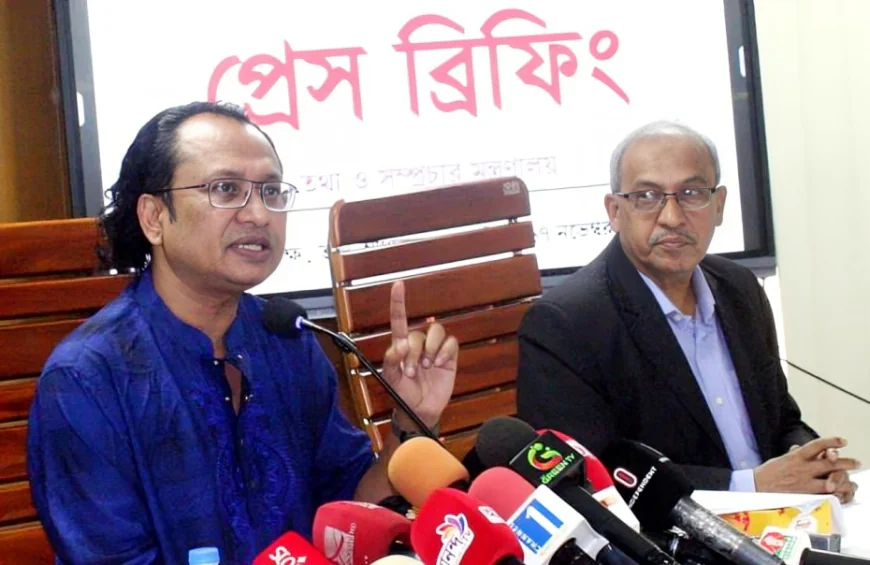
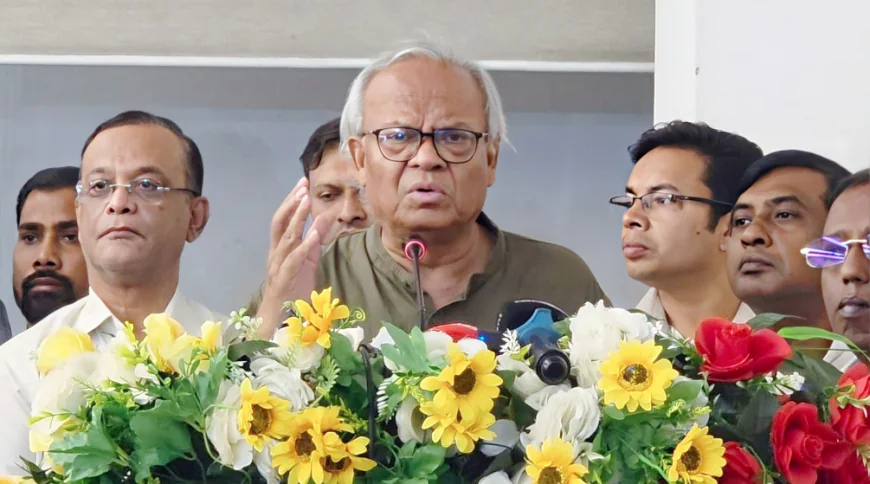
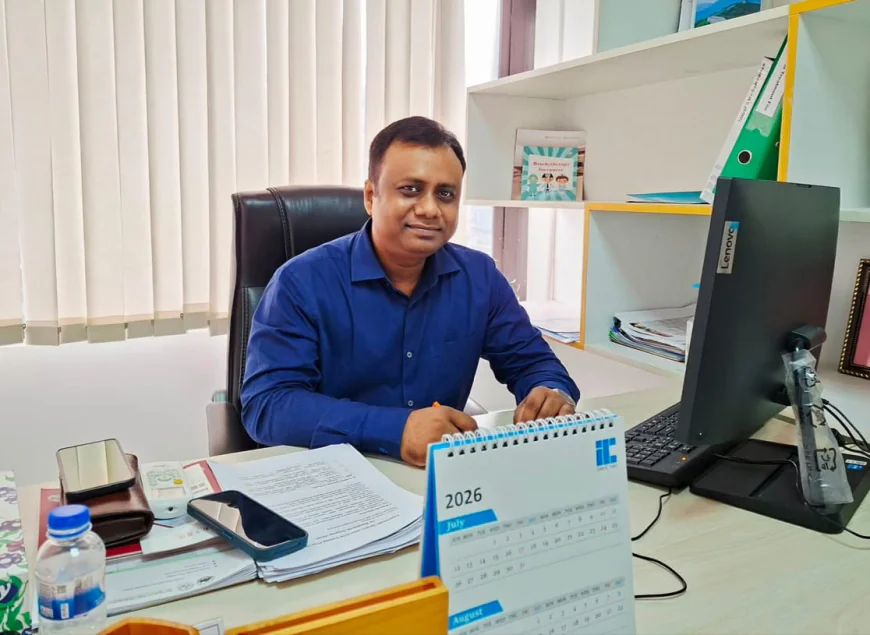
“LDC graduation should be viewed as a catalyst for structural change, not merely an issue of seeking extensions,” said Dr. Rahman, Distinguished Fellow of the Centre for Policy Dialogue (CPD), at a media dialogue titled 'Bangladesh's LDC Graduation: UN Decision and Our Observations' at the CPD office in the city.
He said the additional three years should be utilized to strengthen the country's economic fundamentals, improve productivity and develop new export capacities to cope with the challenges of graduation.
Dr. Rahman said Bangladesh's graduation would be unprecedented in terms of the country's population and economic size compared with other countries that have previously graduated from the LDC category.
Therefore, he said, Bangladesh cannot simply follow the experiences of earlier graduating countries and must develop its own strategies to address the challenges.
He said the global shift in manufacturing and supply chains, particularly under the 'China Plus One' strategy, offers Bangladesh a significant opportunity to expand its export market.
As China gradually moves away from low-end garment manufacturing towards high-value and technology-intensive industries, Bangladesh has an opportunity to capture a larger share of the global apparel market, he said.
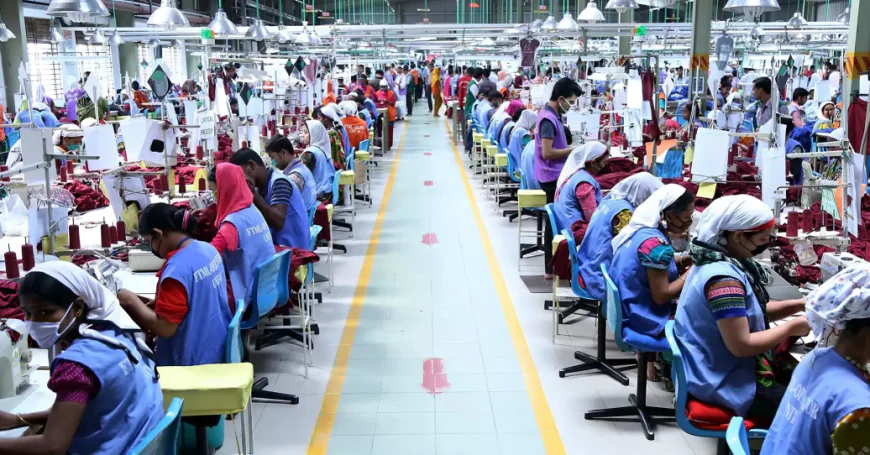
However, he pointed out that Bangladesh's export composition remains heavily dependent on cotton-based products, while global demand is increasingly shifting towards man-made fibres (MMF) and non-cotton products.
Around 70 percent of global textile and apparel demand is concentrated in non-cotton and man-made fibre products, whereas Bangladesh's garment exports remain predominantly cotton-based, he said.
He stressed the need for substantial investment in synthetic yarn production, modern textile processing and advanced manufacturing technologies to diversify the country's export basket.
Competitive bank lending rates, an investment-friendly policy environment and uninterrupted energy and fuel supplies are also essential to attract the required investment, he added.
Dr. Rahman also underscored the importance of making LDC graduation inclusive by extending policy support beyond large business groups to micro, cottage, small and medium enterprises (MSMEs).
Small businesses often face difficulties in accessing bank financing, opening letters of credit (LCs), managing rising energy costs and ensuring uninterrupted fuel supplies, he said.
He called for targeted financing facilities, easier access to banking services and sustainable energy tariffs to strengthen the competitiveness of smaller enterprises.
Emphasizing export diversification, Dr. Rahman said Bangladesh should explore emerging opportunities in electronics, semiconductor assembly and service exports alongside traditional manufacturing.
He also highlighted the potential of the global 'Silver Economy', as ageing populations in developed countries are creating growing demand for specialised healthcare services, elderly care products and other related goods and services.
At the same time, he stressed that Bangladesh must improve environmental, labour and social compliance to maintain access to international markets.
Compliance with environmental protection, carbon emission reduction, waste management, workplace safety, trade union rights and gender equality is increasingly becoming essential for international trade, irrespective of a country's LDC status, he said.
Dr. Rahman also emphasized the strategic importance of the Matarbari-Moheshkhali Integrated Development Initiative (MIDI) in transforming Bangladesh's industrial landscape and strengthening its capacity to attract foreign direct investment (FDI) in the post-LDC graduation period.
He said the initiative could serve as a major platform for developing industrial infrastructure, attracting domestic and foreign investors and establishing new export-oriented industries by improving connectivity and facilitating investment in the region.
He stressed that Bangladesh should effectively utilize the remaining transition period to attract investment in strategic infrastructure and industrial projects, taking advantage of continued preferential market access while preparing for the post-2029 trading environment.
He also highlighted the importance of major infrastructure development in connecting industrial production with ports, logistics facilities and international markets, which would help reduce business costs and enhance export competitiveness.
On institutional preparedness, Dr. Rahman stressed the need to improve the quality and availability of economic statistics for effective policymaking and monitoring.
Dr. Rahman said the existing Smooth Transition Strategy (STS), which contains five pillars, 30 action areas and 157 specific actions, provides an important framework for addressing the challenges of LDC graduation.
Rather than preparing an entirely new framework, he suggested reviewing, updating and effectively implementing the existing strategy through a strong institutional coordination mechanism.
The media dialogue was attended by CPD Distinguished Fellow Dr Debapriya Bhattacharya, CPD Executive Director Dr. Nazneen Ahmed and CPD Additional Director Towfiqul Islam Khan, among others.






 Sponsored by