

























BGMEA calls for realistic environmental compliance roadmap for RMG sector
The Bangladesh Garment Manufacturers and Exporters Association (BGMEA) today urged the government to formulate a science-based and realistic roadmap for environmental compliance to ensure the continued growth and global competitiveness of the country’s ready-made garment (RMG) and textile sectors.
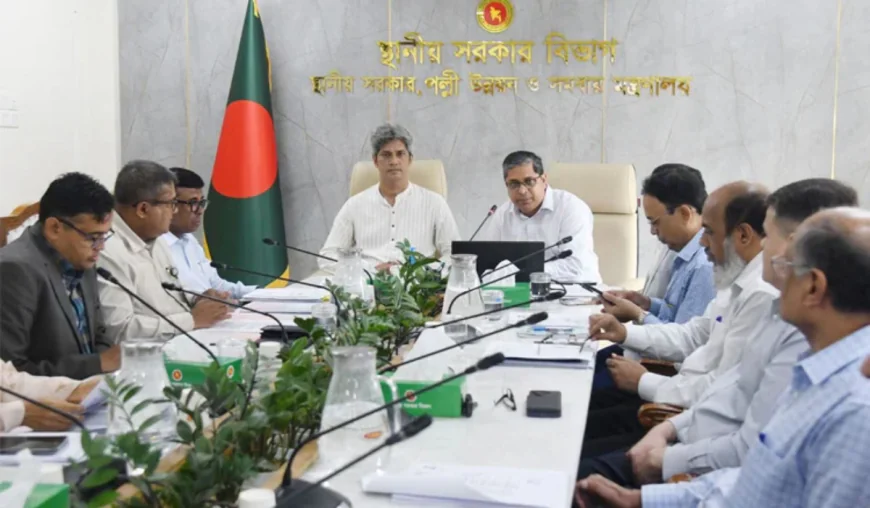
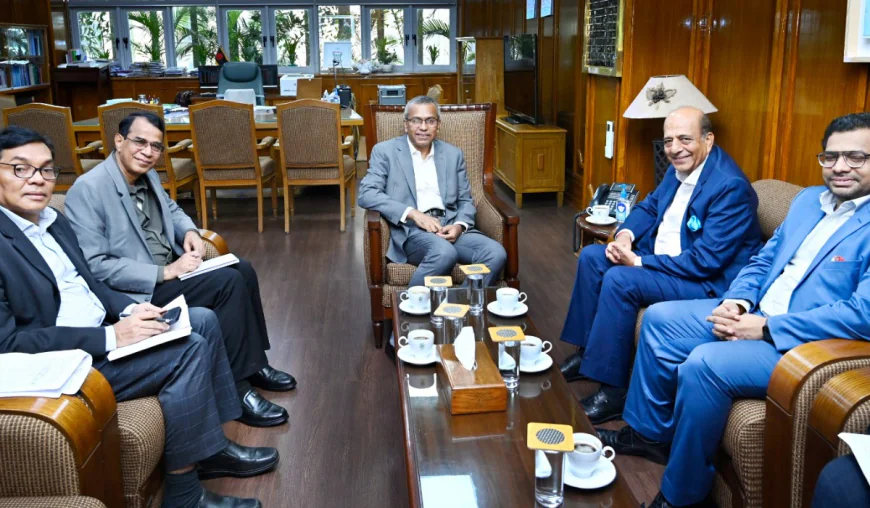
The call came during a meeting between a BGMEA delegation, led by its President Mahmud Hasan Khan, and Environment, Forest and Climate Change Minister Abdul Awal Mintoo at the Bangladesh Secretariat, said a press release.
The delegation included former President of the Bangladesh Textile Mills Association (BTMA) A Matin Chowdhury, BGMEA Director Nafis-ud-Doula and Kingsley CEO Md Ashikur Rahman.
During the meeting, industry leaders highlighted several challenges arising from the implementation of the Environment Conservation Rules, 2023, particularly the existing Effluent Treatment Plant (ETP) colour parameters, which they said are difficult to achieve with current technologies and infrastructure.
The BGMEA president urged the ministry to revise the standards and adopt parameters that are technically feasible and aligned with international practices.
The delegation also pointed out that environmental monitoring data can be influenced by factors beyond industrial control, including seasonal rainfall and humidity, which affect effluent concentrations during sampling.
To address the issue, they proposed introducing tolerance limits for environmental parameters and adopting a more balanced air-quality assessment system that distinguishes industrial emissions from pollution originating from external sources.
On the issue of Zero Liquid Discharge (ZLD), the industry leaders recommended replacing the existing mandatory pledge requirement for environmental clearance renewals with a phased and performance-based implementation roadmap.
They also sought clear guidelines on water conservation and reuse, along with fiscal incentives such as VAT and duty exemptions on ZLD-related machinery imports and the creation of a dedicated ZLD financing window under Bangladesh Bank’s Green Transformation Fund (GTF).
The delegation further expressed concern over uncertainties surrounding land use under the Forest Ordinance, 2026, urging the government to expedite the formulation of implementing rules to provide clarity for industrial expansion and investment planning.
To strengthen transparency and accountability in environmental compliance, the industry leaders proposed introducing a mirror-testing mechanism for environmental sampling and a risk-based, long-term environmental clearance renewal system for factories with proven compliance records.
Speaking at the meeting, Abdul Awal Mintu acknowledged the apparel sector’s significant contribution to Bangladesh’s economy and assured the industry representatives that the government would consider their proposals positively.
He said the government remains committed to establishing a rational and realistic regulatory framework that balances environmental protection with the operational needs of industries.
The meeting concluded with a shared commitment to promoting environmental sustainability while maintaining the competitiveness of Bangladesh’s export-oriented apparel sector.





 Sponsored by