





















Bangladesh at the Crossroads
An Election No Longer About Votes, but Credibility
Widespread distrust, a legacy of contested polls, administrative overreach, and shrinking democratic space now frame Bangladesh’s upcoming national election—making it less a constitutional exercise and more a decisive test of state legitimacy.
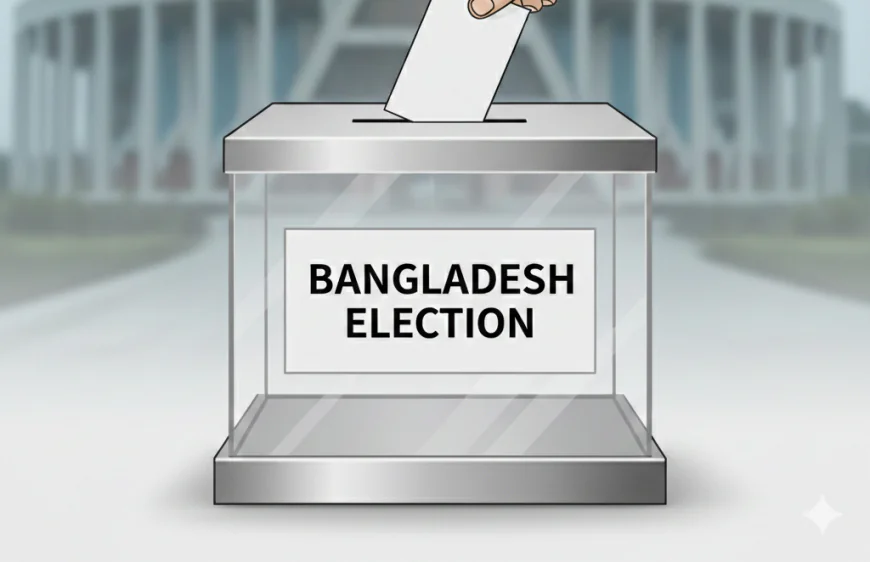

Bangladesh’s upcoming national election cannot be viewed as a routine constitutional event. It has evolved into a defining moment for the country’s democratic credibility. After more than a decade of disputed electoral processes, declining voter confidence, and deep political polarization, the central question facing the nation is no longer when the election will be held, but whether it will be trusted.
Elections derive legitimacy not merely from legality, but from public belief in fairness. In Bangladesh, that belief has steadily eroded. For many citizens, voting has come to feel less like an exercise of sovereign choice and more like participation in a predetermined process. This erosion of trust did not occur overnight; it is the cumulative outcome of multiple electoral cycles marked by controversy, allegations of administrative interference, restricted political space, and limited accountability.
The state now stands at a crossroads: either this election marks a break from that past, or it entrenches a crisis of legitimacy that will haunt the political system for years to come.
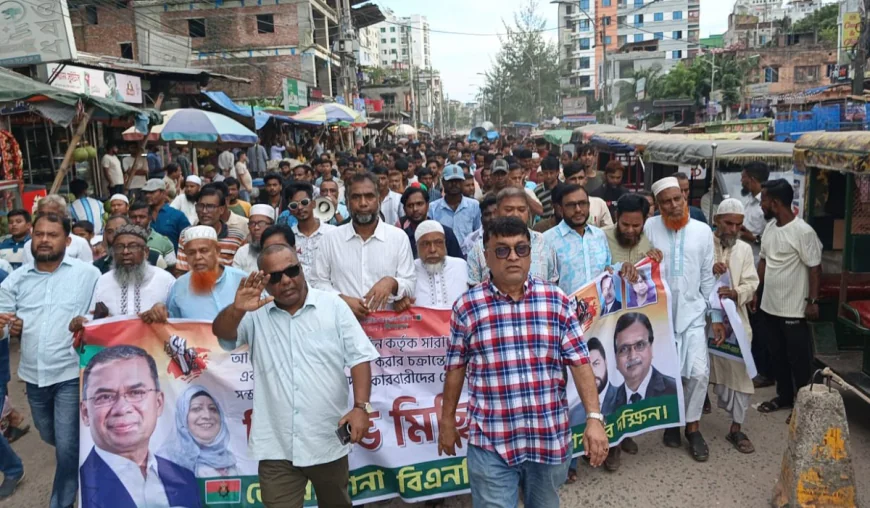
The elections of 2014, 2018, and 2024 continue to shape public perception. The 2014 election was largely non-participatory, the 2018 election was overshadowed by allegations of ballot manipulation and voter intimidation, and subsequent local and national polls reinforced fears that electoral outcomes were increasingly managed rather than contested.
Investigative findings and independent reports have consistently pointed to patterns of voter suppression, obstruction of opposition polling agents, unusual turnout figures, and the disproportionate use of state machinery. These were not isolated incidents, but recurring features that collectively undermined confidence in the electoral process.
Against this backdrop, official assurances that “the next election will be different” ring hollow unless accompanied by visible and verifiable change.
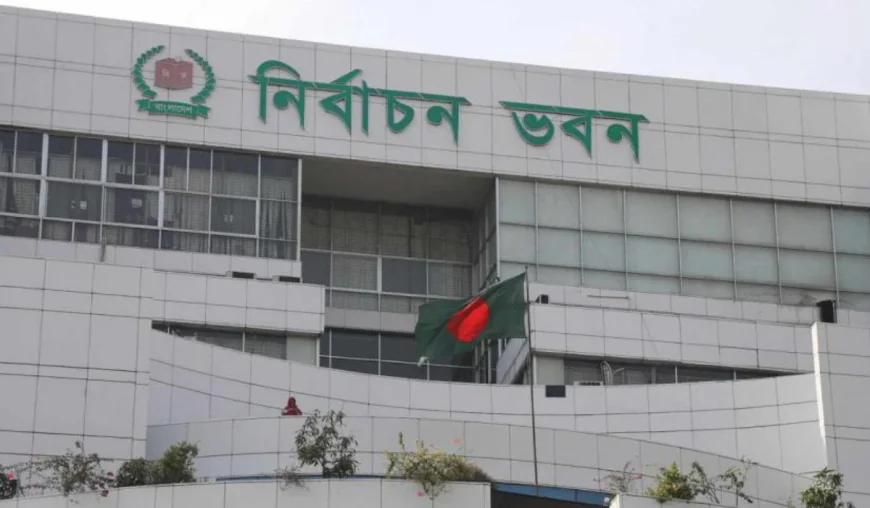
The Election Commission occupies the most critical institutional position in this process. Its independence is not measured by constitutional provisions alone, but by its willingness and ability to act impartially under pressure.
Public confidence cannot be restored through statements, press briefings, or procedural checklists. It requires firm enforcement of electoral laws, equal treatment of all candidates, swift action against violations, and transparency at every stage—from nomination to vote counting.
In previous elections, the Commission’s perceived reluctance to challenge administrative actors or intervene decisively in contested situations weakened its standing. If such patterns persist, the Commission risks being seen not as the guardian of democracy, but as a passive observer of its erosion.
A weak commission does not merely fail an election; it weakens the constitutional order itself.
Perhaps the most persistent concern surrounding elections in Bangladesh is the role of the administration and law enforcement agencies. In theory, these institutions are meant to ensure order and neutrality. In practice, allegations of selective enforcement, intimidation, and political bias have become a recurring theme.
An election cannot be free if voters fear reprisals, candidates lack equal access to public space, or security forces are perceived as aligned with one political interest. Even the perception of bias is enough to delegitimize the process.
When citizens begin to ask whether their vote truly belongs to them, the democratic contract begins to fracture.
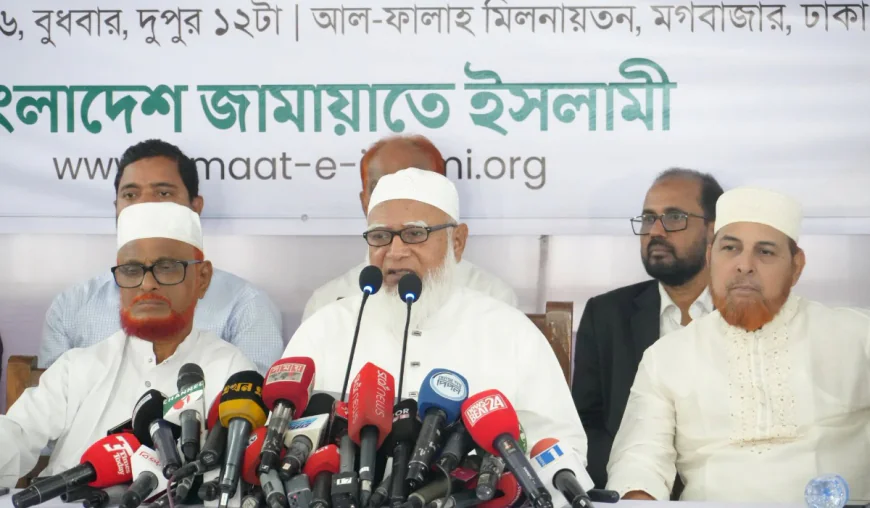
While the state bears the primary obligation to ensure a fair electoral environment, political parties are not without responsibility. The ruling party must demonstrate—through action, not rhetoric—that it is prepared to compete on equal terms and relinquish the use of institutional advantage.
At the same time, opposition parties must confront their own strategic dilemmas. Repeated boycotts, pre-emptive rejection of results, or reliance on street confrontation cannot substitute for sustained political engagement. A democracy cannot survive if elections are either monopolized by those in power or abandoned by those challenging it.
True political maturity lies in contesting flawed systems while working to reform them—not in withdrawing from the field altogether.
Elections do not occur in isolation. They are shaped by the broader democratic environment, including freedom of expression, media independence, and civil society activity.
In recent years, journalists, activists, and dissenting voices have raised concerns about legal pressure, surveillance, and self-censorship. When media outlets operate under constraint and citizens fear consequences for political expression, elections lose their meaning long before polling day arrives.
A controlled narrative may deliver orderly elections on paper, but it cannot produce genuine democratic consent.
An election’s credibility is also measured by how safe and represented its most vulnerable citizens feel. Reports of communal tension, targeted violence, or political marginalization—particularly among minority communities—raise serious questions about equal participation.
If any segment of the population approaches an election with fear rather than confidence, the process has already failed its democratic promise.
Bangladesh’s election will not be judged solely at home. The international community—investors, development partners, and diplomatic allies—closely monitors electoral credibility as a barometer of political stability.
A credible election can strengthen Bangladesh’s global standing, enhance economic confidence, and reinforce its diplomatic leverage. A disputed one risks isolation, economic uncertainty, and prolonged political instability.
This is not external interference; it is a predictable consequence of diminished trust in governance.
Ultimately, this election is not about which party wins or loses. It is about whether the Bangladeshi state can restore faith in the most fundamental mechanism of popular sovereignty.
Democracy does not collapse in a single moment; it erodes gradually, through normalized exceptions, lowered expectations, and public resignation. The most dangerous outcome of a flawed election is not protest or condemnation—it is apathy.
When citizens stop believing their participation matters, democracy becomes a hollow formality.
Bangladesh still has time to choose a different path. But time alone will not fix what years of neglect have damaged. Restoring credibility requires courage: from the Election Commission to assert independence, from the administration to act neutrally, from political parties to compete responsibly, and from the state to tolerate dissent.
This election must be about rebuilding trust, not managing outcomes.
Anything less will not merely produce a contested mandate—it will deepen a crisis of legitimacy whose cost the nation can ill afford.



 Sponsored by