

































Sheikh Hasina Verdict
A Historic Turning Point in Bangladesh’s Political Landscape
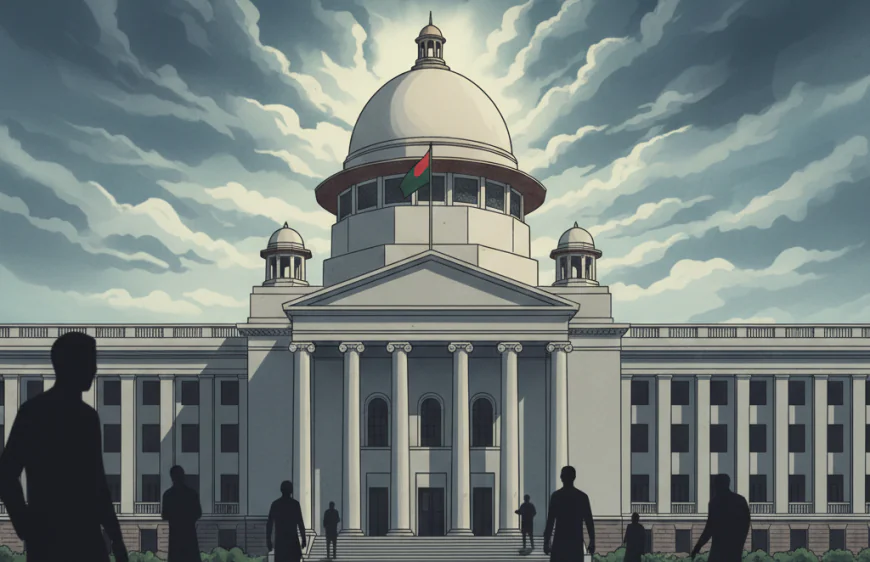

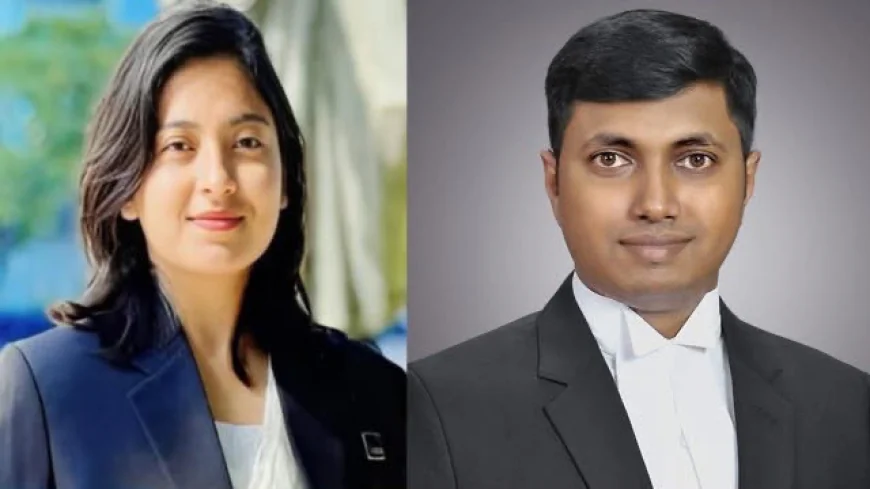
On 17 November 2025, Bangladesh witnessed an unprecedented and highly controversial moment in its political history. The International Crimes Tribunal-1 (ICT-1) delivered its verdict against former Prime Minister Sheikh Hasina, former Home Minister Asaduzzaman Khan Kamal, and former Inspector General of Police Chowdhury Abdullah Al-Mamun. Sheikh Hasina and Asaduzzaman were sentenced to death, while Chowdhury Abdullah received a five-year prison term. Additionally, the tribunal ordered the confiscation of their properties.
This verdict cannot be viewed merely as the outcome of a legal process. It carries profound implications for Bangladesh’s political stage and the balance of power within the country. Rarely in history has a former head of government faced such a severe sentence for alleged crimes. However, the ruling has also sparked debates about its political context, particularly as it involves defendants who are currently at large, raising questions about the transparency and fairness of the judicial proceedings.
The charges against Sheikh Hasina primarily relate to the unrest and alleged human rights violations during the mass protests of July–August 2024. The tribunal examined the government’s response to student movements and public demonstrations, assessing whether actions taken at the time constituted violations of humanity. While the verdict asserts legal accountability, many within the country and internationally view the decision through the lens of political motivations, making it one of the most contentious judgments in Bangladesh’s history.
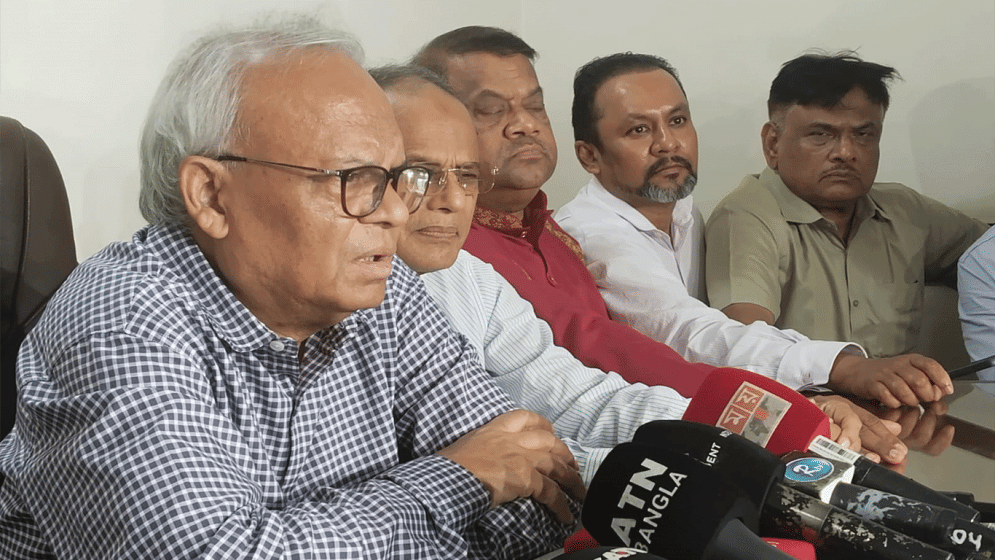
The immediate political impact of this verdict is profound. It has intensified the already volatile political climate, affecting the strategies of both the ruling and opposition parties. The credibility of political institutions, voter confidence, and the functioning of party structures are all poised to undergo a reassessment. In the streets, the state has heightened security, issuing warnings and deploying forces to maintain order. Citizens are urged to remain calm, yet the potential for social unrest and political confrontation remains high.
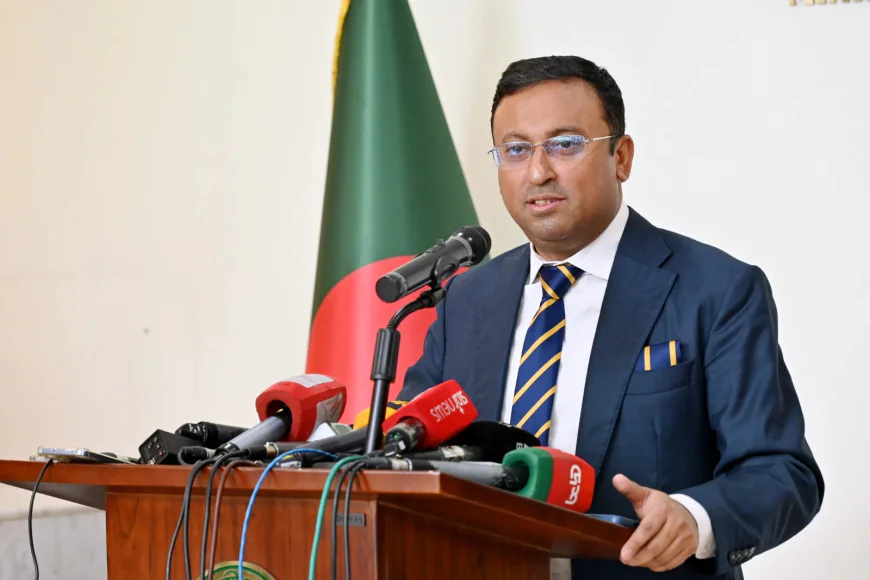
Internationally, reactions to the verdict have been mixed. While some states have recognized the tribunal’s decision as a legitimate exercise of legal authority, others have expressed concerns over the process’s transparency and the political context surrounding it. Bangladesh’s diplomatic relationships and international standing may also face challenges, particularly regarding cooperation in apprehending defendants at large.
Looking ahead, the verdict could fundamentally reshape the political landscape. It may trigger a redistribution of power among political parties and alter the trajectory of upcoming elections. However, maintaining the integrity of legal principles and judicial standards is crucial. Navigating this political upheaval while preserving social stability will test the resilience of Bangladesh’s institutions, leadership, and citizens alike.
Ultimately, the verdict against Sheikh Hasina is not merely about an individual; it represents a defining moment in Bangladesh’s political and legal history. It challenges the nation to balance justice, accountability, and political stability. How Bangladesh responds to this turning point will shape the country’s democratic future, the credibility of its institutions, and the confidence of its people. History will remember how this critical moment was managed and whether the nation succeeded in transforming a period of profound uncertainty into one of measured governance and resilient democracy.


 Sponsored by