


















Pro-people vision bring BNP victory under Tarique’s stewardship
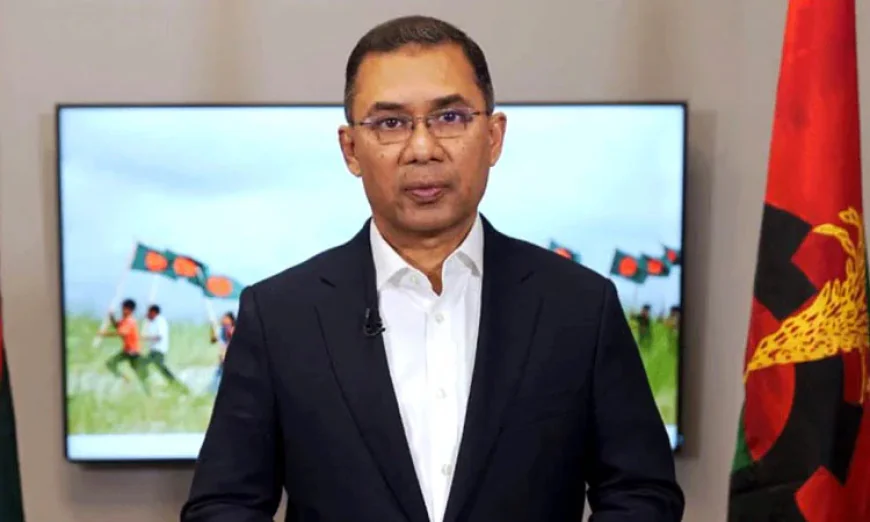
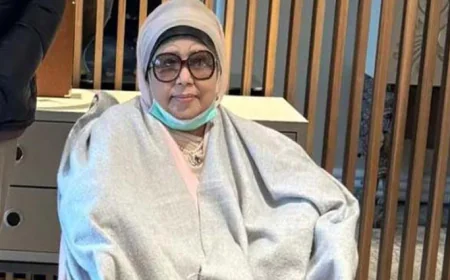
Bangladesh Nationalist Party (BNP)'s landslide victory in 13th national polls is more than just electoral success-it reflects a decisive endorsement of Tarique Rahman's pro-people political vision. For years, with the core philosophy of being "Bangladesh First", Rahman, who succeeded his mother and Muslim world’s first female prime minister Begum Zia last month, emphasized a return to people-centric governance, focusing on democratic restoration, economic relief, and institutional accountability.
The election results suggest this strategy resonated deeply with voters across urban and rural Bangladesh. At the heart of the victory lies a carefully crafted agenda centered on ordinary citizens. BNP's overwhelming victory is touted as the people's endorsement of Rahman's vision titled "Plan to Build the Country" that he announced at different occasions and finally in his election manifesto before the polls. The plans cover agriculture, employment, family welfare, education, healthcare, religious welfare, environment, sports, and other development sectors.
BNP announced the introduction of the "Family Card" which is considered as the most glorious plan to shift the socio-economic condition of the under-privileged and marginalized people. A Family Card will be introduced gradually for every household in the country. Through this card, families will receive either BDT 2,000 to 2,500 per month or essential commodities such as rice, lentils, oil, and salt. This vision is hailed across the country as a broader pro-people agenda for poverty alleviation, hunger eradication, and women's empowerment. Rahman also promised to introduce Farmer Cards to help peasants receiving fertilizers, seeds, pesticides at low cost and access to government subsidies, affordable agricultural machinery, easy agricultural loans, crop insurance, and fair prices for their produces.
The programme will also include the issue of agricultural training, mobile-based weather and market information, crop treatment services, and extending benefits to fish farmers and livestock breeders. Rahman's nationwide employment generation policy also drew voters support for BNP as he declared generation of one crore employment if voted to power while he said 800,000 jobs would be created alone in the information technology sector ranging from cyber-security, outsourcing, and semiconductor manufacturing.
He planned arrangement for providing low-interest loans to small and medium entrepreneurs to expand employment opportunities by promoting cottage industries and the SME sector. Export opportunities through global e-commerce platforms will be expanded, transparency in the banking sector ensured, and a merit-based recruitment system introduced in government jobs. Other initiatives include launching international payment gateways, creating employment opportunities for marginalized communities, ensuring safety and training for informal sector workers, providing free internet access, pre-departure training and loan assistance for migrant workers, and establishing skill development and career centers in colleges and universities.
Under the "One Teacher, One Tab" initiative, modern training for teachers will be ensured as technical education will be made compulsory at the secondary level. Schools will ensure a healthy environment, mid-day meals, multimedia classrooms, third-language education, and integration of sports and cultural activities into the curriculum. The healthcare plan aims to eliminate corruption and ensure accountability in the health sector. One lakh healthcare workers will be recruited nationwide, 80 percent of whom will be women. Primary healthcare services will be strengthened in metropolitan and district towns, while preventive healthcare, maternal services, and neonatal care will be expanded at the village level. Affordable treatment for life-threatening diseases will be ensured through public-private partnerships.
The plan also includes free primary medicines, low-cost cancer and other essential drugs, locally produced vaccines, and year-round scientific mosquito control programs. His visions also cover the welfare of Khatibs, Imams, and Muazzins as monthly honorariums, festival allowances, and professional training will be provided to imams, muazzins, and khatibs. Mosque-based child and mass education programs will be expanded, and the Imam-Muazzin Welfare Trust will be strengthened to enhance their social dignity.
The plan includes excavation and re-excavation of 20,000 kilometers of rivers and canals, modernization of the Teesta Barrage, implementation of the 2nd Padma Barrage Project, and plantation and maintenance of 250 million trees within five years. A nationwide integrated waste management system will be introduced, along with initiatives to produce energy and organic fertilizer from waste. He also thought of development of the sports sector as sports will be established as a professional career path. Physical education will be made compulsory from Grade Four in the national curriculum.
Under the "Notun Kuri Sports" program, talented students aged 12-14 will receive scholarships. Indoor sports villages will be built in all 64 districts, sports officers appointed at the upazila level, BKSP branches established in every division, playgrounds ensured nationwide, and a sports equipment manufacturing industry developed. Rahman also presented a detailed vision for constitutional reform as he committed to reinstating "absolute trust and faith in Almighty Allah" in the Constitution as a fundamental principle of state governance. He promised to reintroduce caretaker government system, reform judiciary and redistribute presidential and prime ministerial powers and limit premiership for anyone to two terms or 10 years.
He has outlined plans to create employment for youth, build a trillion-dollar investment-driven economy, and establish a National Reconciliation Commission to strengthen the nation-building process, along with improving the country's structure and environment. He also emphasized investigating capital market scandals during the Awami League's rule, zero tolerance for corruption, preparing an accurate list of martyrs of the Liberation War, and ensuring justice for the July mass uprising. Rahman further gave importance to the aspirations of women and youth, and integrated the July National Charter. He said BNP’s goal is to establish a just society while upholding religious values and morality as well. Accordingly, based on complete faith in Almighty Allah, the party has reaffirmed its firm commitment to building a justice-based, humane, and prosperous Bangladesh.
The party showed its highest priority to implementing-faithfully and effectively-the 19 Points of Shaheed President Ziaur Rahman, Vision-2030 of democratic leader Begum Khaleda Zia, the 31-point State Reform plan of BNP Chairman Tarique Rahman, and the consensual and signed provisions of the July National Charter. The visions Rahman showed the nation resulted in the landslide victory as the people widely accepted his plans for the qualitative change of the country. And the people's overwhelming mandates made him emerge to be a statesman.