















No observation of fraud or ballot stuffing: EU chief observer
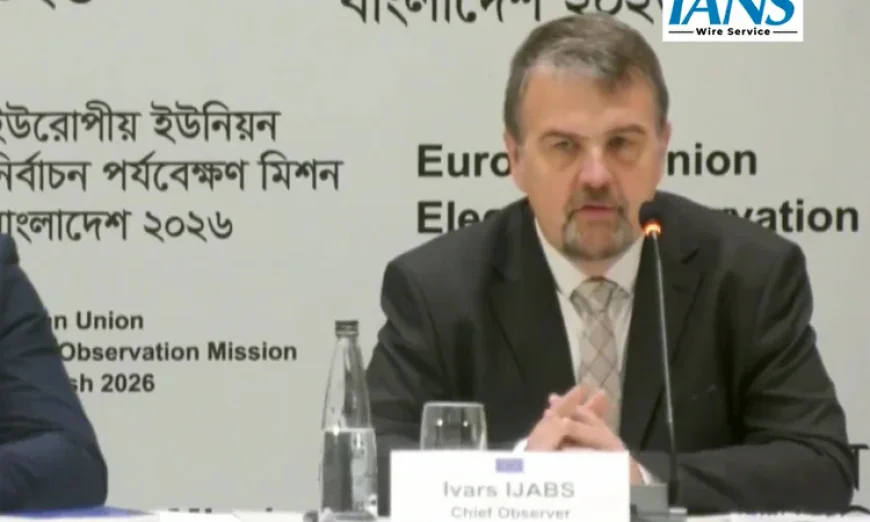
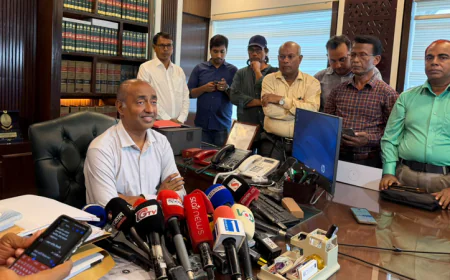
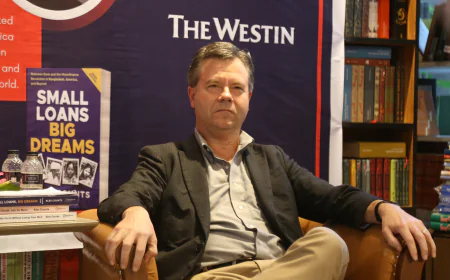
The European Union's Chief Election Observer Ivars Ijabs today described Bangladesh's parliamentary polls as competitive and largely transparent, saying no direct evidence of fraud was observed while urging authorities to ensure legal handling of complaints and post-election disputes. "I say with full responsibility that there was no direct observation of fraud or ballot stuffing," Ijabs, a Member of the European Parliament (MEP), told journalists in response to questions about allegations in specific constituencies.
Speaking at a press briefing at a city hotel following the February 12 election, the EU chief observer said the mission did not directly witness ballot stuffing or systematic fraud. He acknowledged that some irregularities were observed but stressed that these did not substantiate broader claims of manipulation. "If there are issues regarding particular constituencies, they should be addressed through the established legal procedures," he said, adding that complaints and appeals must be handled transparently and efficiently.
On voter turnout, the chief observer noted that turnout levels in Bangladesh have historically fluctuated and said percentage figures alone should not determine the quality of participation. "Turnout is not only about numbers," he said. "What matters is whether all relevant groups in society are able to participate and are not excluded." "We are here to observe elections and the process around them," he said, describing the contest as competitive, with around 2,000 candidates offering voters "considerable choice."
The chief observer also highlighted women's participation as a key area of concern, noting that female candidates accounted for roughly four percent of the total. "Democracy is about civic equality," he said, urging authorities to strengthen women's political representation in line with existing international commitments. On minority participation, he said observers met representatives of indigenous, religious and ethnic communities during field visits. While no widespread targeting was directly observed on Election Day, some minority representatives expressed concerns rooted in past experiences.
"It will take time to heal past problems," he said, underscoring the importance of ensuring that minorities are encouraged and not excluded from democratic processes. The EU mission commended the Election Commission's logistical preparedness and transparency in several operational areas, including candidate registration and polling procedures. The chief observer described the overall impression of the Commission's work as positive, particularly given the scale of the task.
He also addressed concerns over media freedom and the role of social media. While describing Bangladesh's media landscape as diverse, he warned that misinformation and AI-generated content pose growing risks to democracies worldwide. Regarding post-election developments, the chief observer acknowledged reports of isolated tensions but welcomed what he described as the readiness of major political actors to maintain calm.
"If you have responsibility for the country as a political party, you must act responsibly," he said, urging all stakeholders to avoid violence and rely on lawful mechanisms for dispute resolution. The EU EOM has been in Bangladesh since December 29, 2025 and said it observed voting in 805 polling centres across all 64 districts. The mission will remain in Bangladesh until early March to monitor post-election processes, including the handling of complaints and appeals. A comprehensive final report with detailed findings and recommendations is expected in late April or early May.