
















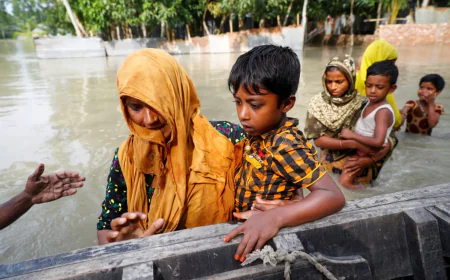

Chandpur faces shortfall of sacrificial animals ahead of Eid
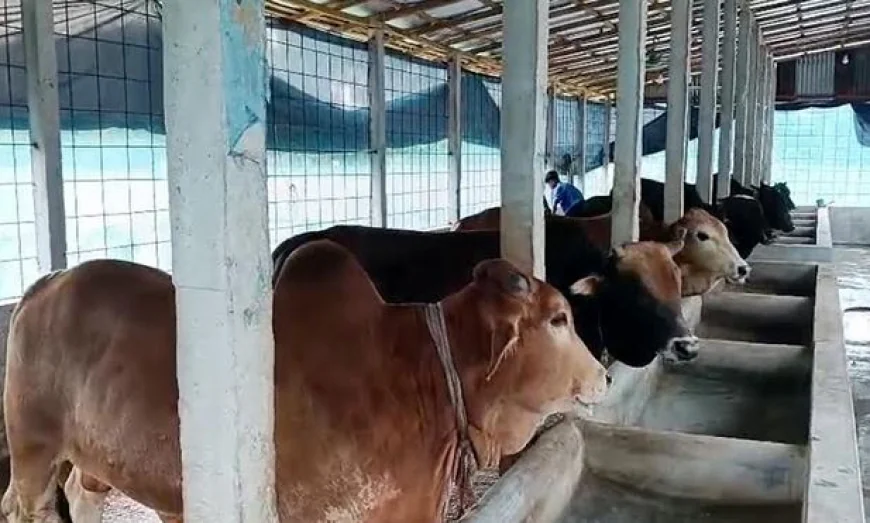
Chandpur district is likely to face a shortage of sacrificial animals ahead of the upcoming Eid-ul-Azha, as local production has fallen short of demand by nearly 9,000 animals, according to the district livestock department. Officials said the district's total demand for sacrificial animals this year stands at around 75,000, while local farmers and entrepreneurs have prepared 66,098 animals for sale.
The livestock department, however, expressed confidence that there would be no overall crisis, as the remaining animals would be supplied by seasonal traders bringing cattle from other districts. According to official data, the prepared animals include 27,346 bulls, 8,366 oxen, 10,571 cows, 23 buffaloes, 19,346 goats and 446 sheep. Field visits revealed that around 4,155 entrepreneurs across the district's eight upazilas are involved in cattle fattening and animal rearing for Eid markets. Many farmers purchase calves several months before Eid and raise them using locally produced feed.
Most of the cattle being prepared for sale are small to medium-sized bulls, while large-sized cattle remain relatively rare. Farmers are also increasingly using online platforms to market their animals. Khaled Khan, a cattle farmer from Nanupur village in Sadar upazila, said he has been involved in cattle farming for the past 20 years. He usually purchases bulls before Ramadan and raises them for Eid sales. "This year I have prepared several bulls for the market, priced between Taka 90,000 and Taka 120,000," he said, adding that local farmers would benefit if cattle imports from India and Myanmar remain restricted.
Another farmer from nearby Ghashipur village, Ahmed Ali, said his farm currently has 32 cattle of different breeds, including seven bulls prepared for sacrifice. He said all the animals were raised on natural local feed. In Moishadi union, farmer Nargis Begum has prepared three large bulls for the Eid market. One of them, named "Raja Babu," aged between three and five years, has been priced at Taka 12 lakh. Another bull, "Hamankardi King," is being offered for Taka 10 lakh.
Md. Moslem, a worker at the farm, said the animals have been fed grass, straw, husk and khoil produced locally. Entrepreneur Tanvir Ahmed said local farmers are hopeful of receiving fair prices this year due to growing consumer confidence in locally raised cattle. Meanwhile, seasonal traders from Krishnapur village in Faridganj upazila said they have brought more than 50 cattle from Faridpur and Rajbari districts to meet local demand.
Traders Ruhul Amin, Ali Akkas, Iman Ali and Abu Kalam said cattle prices have increased slightly compared to last year, but medium-sized animals are expected to attract the highest demand from buyers. Local resident Abdul Barek of Chandpur town said many urban families now prefer buying cattle directly from local farmers instead of traders.
"People trust locally raised cattle more because some traders use harmful medicines to fatten animals quickly," he said. Chandpur District Livestock Officer Dr. Jyotirmoy Bhowmik said the district would likely overcome the shortfall through inter-district cattle supply. "According to the latest data, farmers currently have 66,098 animals ready for sacrifice. The remaining demand will be met by seasonal traders bringing cattle from other parts of the country," he said. "I hope there will be no crisis during Eid-ul-Azha," he added.