



























Huawei Returns to Bangladesh Amid Global Sanctions and Security Concerns
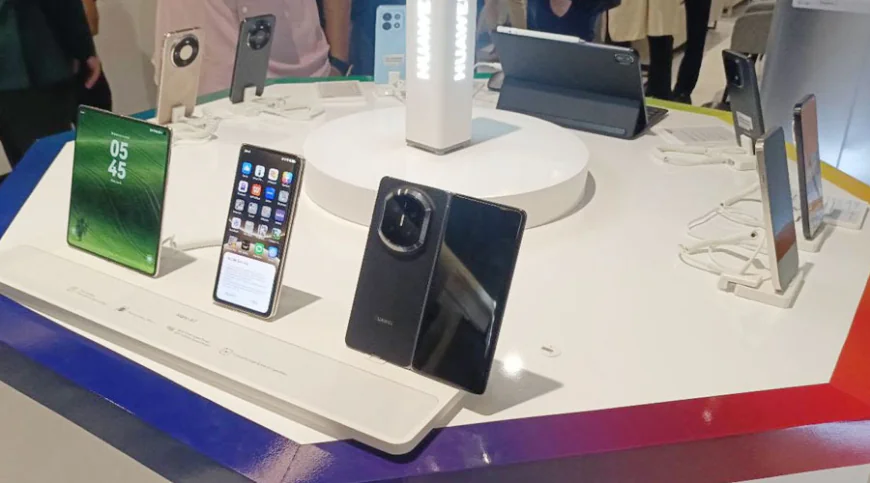
After an absence of eight years, Chinese technology giant Huawei has officially re-entered Bangladesh’s smartphone market. Through local distributor DX Group, the company announced on June 8 the launch of sales operations for 13 devices, including smartphones and tablets. However, Huawei’s return has revived discussions surrounding international sanctions, security controversies, and technological limitations that continue to shadow the brand.
Once one of the world’s leading smartphone manufacturers, Huawei faced a major setback in 2019 when the United States government placed the company on its Entity List, citing national security concerns. Washington alleged that Huawei’s technology and telecommunications infrastructure could pose security risks, claims the company has consistently denied.
Following the US sanctions, Google suspended Huawei’s access to Google Mobile Services (GMS) for new devices. As a result, Huawei smartphones lost official access to key services such as the Google Play Store, Gmail, YouTube, Google Maps, and Google Drive. Industry analysts viewed this as one of the most significant blows to the company’s global smartphone business.
Beyond software restrictions, Huawei also encountered severe challenges in obtaining advanced semiconductors and chip technologies due to US export controls. These limitations affected the company’s ability to use cutting-edge chipsets, contributing to a sharp decline in its position within the global smartphone market.
The impact of the sanctions extended to the telecommunications sector as well. Several countries, including the United States, the United Kingdom, Australia, and Sweden, imposed bans or strict restrictions on the use of Huawei equipment in their 5G networks. Citing concerns over cybersecurity and data protection, these measures further damaged the company’s international reputation.
Against this backdrop, Huawei’s return to Bangladesh is being closely scrutinized. Industry observers question how the company plans to compete in a market where consumers rely heavily on Google-based applications and services.
Shamim, a customer visiting Police Plaza to purchase a mobile phone, said Huawei’s name is now often associated with US sanctions, the loss of Google services, and ongoing security controversies. “Huawei once held a strong position in the market, but consumer confidence has weakened. Simply returning to Bangladesh does not guarantee acceptance. The company will have to undergo a tough test to regain the trust it has lost,” he said.
Technology market stakeholders also question whether a smartphone brand that lacks official Google services can successfully survive in Bangladesh’s highly competitive market, where such services remain essential for many users.






 Sponsored by