







































EU to boost Channel operations against migrant crossings
The EU laid out plans Tuesday to boost operations against illegal migration in the English Channel, including deploying additional staff and surveillance equipment to prevent crossings. Small boat crossings have long been a hot button issue in Britain and France, where they have helped fuel hard-right electoral gains, with Paris this month calling for more help in stemming the flow. "We are stepping up our cooperation with the UK to fight smugglers, disrupt illegal arrivals, and strengthen support for member states," EU migration chief Magnus Brunner said in presenting the bloc's action plan.
This envisages a strengthening of "operational capacity" at the border, including the reinforcing of a new Europol-run centre to fight criminal networks illegally smuggling migrants. A "UK-French joint intelligence cell" in the French city of Calais, on the Channel, would be also beefed up, while EU border agency Frontex would deploy staff and equipment, such as "surveillance assets", the European Commission said. The 27-nation bloc said it will also step up "its migration diplomacy", strengthening cooperation with countries of origin and transit to curb flows -- and promote "EU and UK information campaigns" aimed at dissuading would-be migrants from coming.
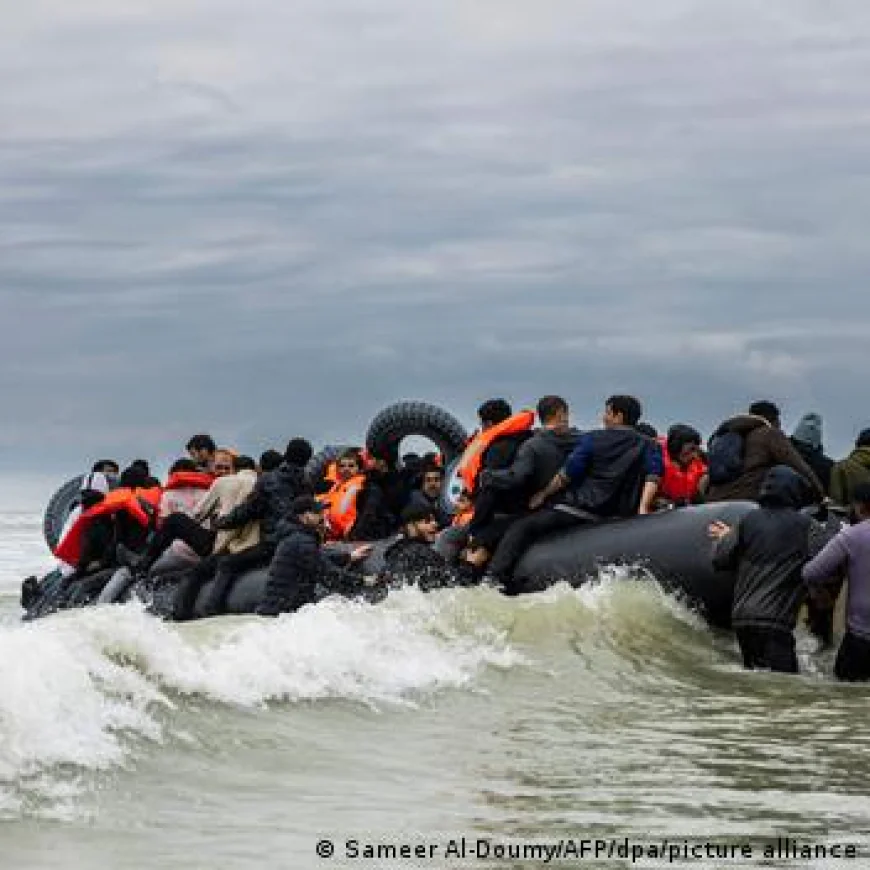
More than 41,000 migrants landed on England's southern coast last year -- the second-highest annual number since records were started in 2018. France has long been a launchpad for migrants hoping to cross the Channel and start a better life in Britain. Paying smugglers thousands of dollars, people often board overloaded rubber dinghies to make the dangerous and sometimes deadly journey across one of the world's busiest shipping routes. Across the border from France, Belgian authorities are also concerned about a new, still limited phenomenon of migrant departures towards England, with more than 400 people intercepted attempting to cross the Channel so far this year.
The European Commission said the measures set out in the plan would now be put in place together with member states, cautioning it might take some time for all to be implemented. The EU, which is pressing a broader crackdown on irregular migration, says illegal crossings out of the bloc via the Channel are down 44 percent so far this year.






 Sponsored by