



























Tarquie Rahman unveils strategy to fight corruption in Bangladesh
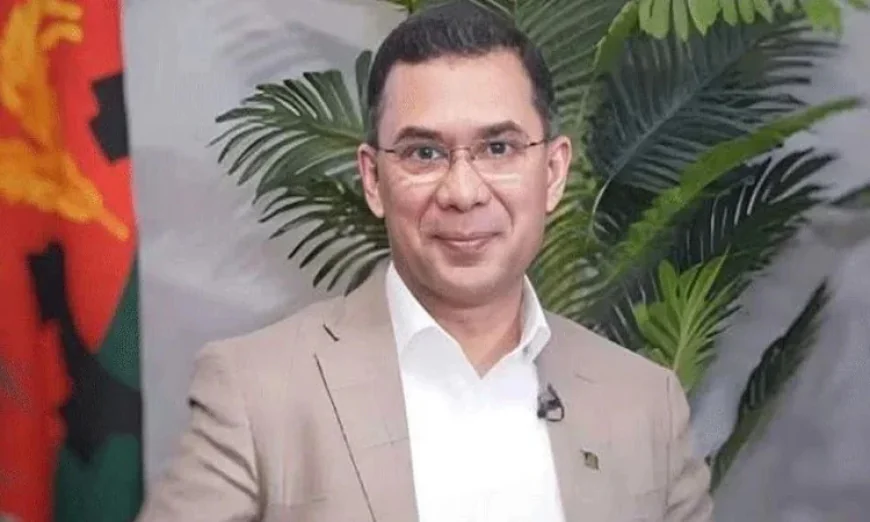
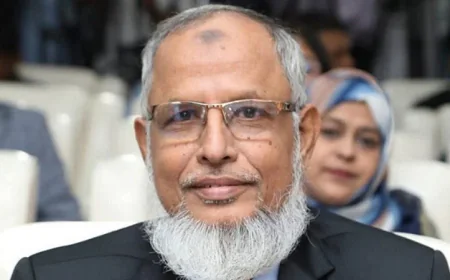
Bangladesh Nationalist Party (BNP) Acting Chairman Tarique Rahman highlighted past reform achievements under Shaheed President Ziaur Rahman and former Prime Minister Khaleda Zia. Tarique Rahman also outlined a forward-looking agenda aimed at curbing corruption and strengthening good governance, emphasizing the party's commitment to continuing the fight against graft if entrusted by the people. "As International Anti-Corruption Day is being observed, the Bangladesh Nationalist Party (BNP) has reiterated its long-standing position that combating corruption must remain at the center of national governance debates," he said in a post on his verified Facebook.
Tarique Rahman said the party points to earlier periods in Bangladesh's political history - particularly under President Ziaur Rahman and Prime Minister Khaleda Zia - as moments when the country made measurable progress in strengthening integrity and public accountability. He recalls that Shaheed President Ziaur Rahman prioritised administrative discipline, clean public service, and economic reforms aimed at reducing gatekeeping and discretionary authority. Subsequent BNP-led administrations introduced modern procurement rules, strengthened financial administration laws, and enhanced audit and oversight mechanisms, he also said.
A major institutional milestone frequently highlighted by the party is the 2004 establishment of the Anti-Corruption Commission (ACC) as an independent statutory body, replacing the Bureau of Anti-Corruption, he added. The ACC's independent investigative and prosecutorial powers aligned Bangladesh with international standards, earning recognition from development partners such as the World Bank and Asian Development Bank, he continued.
Citing data from that period, the BNP leader said that transparency International Bangladesh (TIB), despite expressing reservations over its own methodology, reported an improvement in the Corruption Perceptions Index (CPI), with Bangladesh's score rising from 1.2 in 2002 to 1.7 in 2005. Transparency International's Global Corruption Barometer (2003) indicated that 66% of surveyed citizens believed corruption had decreased, he stated.
"These gains were the outcome of reforms that boosted clarity, reduced discretion, and strengthened oversight," he said. He continued that the record speaks for itself that the BNP is the only party so far to make sustained progress in reducing corruption. "BNP maintains that it is the only political party to have demonstrated sustained progress in reducing corruption and asserts that it is prepared to continue that effort if entrusted by the public," he said.
He said that corruption continues to shape the daily struggles of millions of Bangladeshis - from graduates seeking fair job opportunities and farmers waiting months for routine services to families facing obstacles in healthcare and entrepreneurs burdened by unofficial payments. Rising food prices, uneven school quality, and persistent road safety concerns are among the issues citizens attribute to systemic corruption, he also said.
"How does corruption cripple Bangladesh? Ask a graduate searching for a job based on merit. Ask a farmer waiting months for a routine service. Listen to a young family struggling to access healthcare or entrepreneurs forced to pay extra just to keep their businesses alive. From food prices to school quality to road safety, corruption cripples daily life for millions," he said. For decades, the fight against corruption has been central to Bangladesh's governance debates, he said.
"International Anti-Corruption Day reminds us of that long struggle and of moments when Bangladesh made real progress, especially during BNP's tenure," he added. He said that fighting corruption will be an uphill battle after years of systemic abuse. "But Bangladesh's own history proves progress is possible. With commitment, discipline, and public support, meaningful reform can return. If entrusted by the people, BNP is prepared to lead that charge, once again," he said.
The BNP Acting Chairman highlights several achievements from its past tenures, including:
1. Stronger financial governance: improved treasury systems, tighter budgets, better audits, and early anti-money-laundering and banking regulations.
2. Early procurement reforms: standardised procedures and competitive bidding that laid groundwork for the Public Procurement Act.
3. Market liberalisation: expanding telecom, media, aviation, and trade competition, reducing bureaucratic bottlenecks and increasing public scrutiny.
4. Decentralisation and civil service improvements: shifting authority closer to communities and making administration more predictable and less discretionary.
Looking ahead, Tarique Rahman outlines a comprehensive anti-corruption agenda focused on:
1. Institutional independence - ensuring the judiciary, ACC, election bodies, public service, and law enforcement operate without interference.
2. Transparency and accountability - open procurement, asset declarations, real-time audits, and stronger Right-to-Information systems.
3. Judicial and law-enforcement reform - professionalised policing, case-tracking, efficient prosecution, and digital evidence systems.
4. Deregulation and e-governance - digitising licences, land records, and payments to cut in-person services, which international studies show can reduce corruption by 30-60%.
5. Whistleblower protection - safeguarding informants so wrongdoing can be reported safely.
6. Ethics and civic education - embedding integrity in schools and universities to build long-term cultural change.
7. Stronger financial oversight - independent audits, digitised spending trails, and empowered parliamentary budget scrutiny.