




























Debashish Biswas Sees Politics of Humility in Tarique Rahman’s Conduct

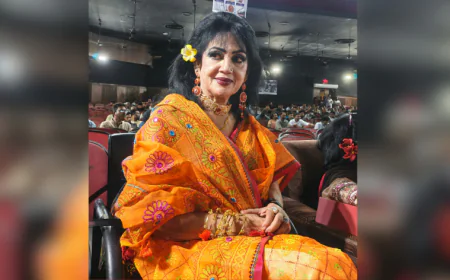
The recent public appearance of BNP Acting Chairman Tarique Rahman has sparked discussion beyond political circles, drawing attention from cultural figures as well. Prominent Bangladeshi film actor Debashish Biswas, in a Facebook post, described Rahman’s conduct as a rare display of humility, restraint, and future-oriented political responsibility.
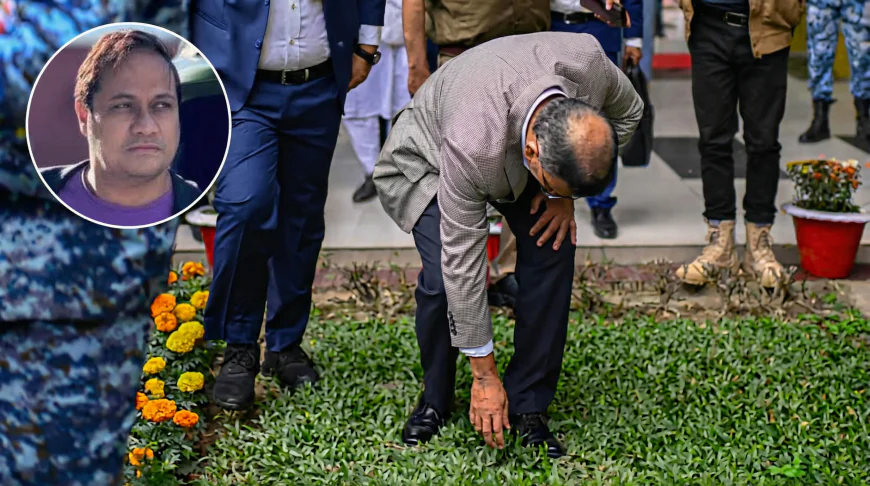
In his post, Biswas highlighted Rahman’s symbolic gestures—touching the soil of the country upon arrival and walking barefoot on dew-covered grass—as expressions of a deep emotional and moral connection with the land, rather than mere political theatrics. He further noted Rahman’s respectful acknowledgement of ordinary citizens and senior political figures as a reflection of grounded leadership.
Biswas paid particular attention to Rahman’s behavior on stage. Instead of occupying a pre-arranged seat of power, Rahman chose to sit on a simple plastic chair, a gesture Biswas interpreted as a conscious rejection of political arrogance and an affirmation of equality. According to him, such actions communicate leadership through humility rather than dominance.
The actor also emphasized Rahman’s deliberate avoidance of obscene or aggressive language, as well as his refusal to capitalize on the towering political legacy of his parents. Instead, Biswas wrote, Rahman focused on offering assurances about rebuilding Bangladesh and outlining a vision for the country’s future—an approach that resonated strongly with many observers.
“Through these choices,” Biswas stated, “he earned our trust, gained our confidence, and found a place in our hearts.” Following the post, social media users engaged in widespread discussion, with many praising Biswas for articulating a longing for civility and dignity in political leadership. Political analysts note that when voices from the cultural sphere weigh in on political behavior, it often reflects broader public fatigue with confrontational rhetoric and power-centric politics. Observers believe Biswas’s remarks underscore a growing demand for ethical conduct, respectful language, and people-centered leadership in Bangladesh’s political landscape.