
















Doctor Turned Financier at Center of Market Controversy

Dr. Junaid Shafique, once a practicing physician, has emerged as a controversial figure in Bangladesh’s financial sector amid allegations of large scale irregularities and manipulation in the capital market. Investigators and analysts say Shafique moved far beyond his medical profession and became deeply involved in financial activities during the tenure of the Awami League government. According to several sources familiar with the matter, Shafique maintained close ties with former Bangladesh Securities and Exchange Commission chairman Shibli Rubaiyat Ul Islam. During that period a number of overseas roadshows were organized to attract foreign investors to Bangladesh’s capital market. Critics allege that the events were also used as channels for moving large sums of money abroad.
Navana Pharmaceuticals was listed on the country’s stock market in late 2022. At the time the pharmaceutical and chemical sector company was led by its managing director Dr. Junaid Shafique. After the fall of the Awami League government on 5 August 2024 he reportedly left Bangladesh and later resigned from all positions connected with the company. Several legal cases have since been filed against him.
Analysts say the situation has taken a different dimension since the political transition. Individuals familiar with the developments claim that Shafique has recently been attempting to present himself as sympathetic to the Bangladesh Nationalist Party. Investigators believe the move may be part of a broader effort to return to Bangladesh and re establish influence within financial institutions.
Financial investigators say Navana Pharmaceuticals entered the stock market on the basis of financial reports that later attracted scrutiny from regulators and market observers. At the time the securities regulator was headed by Shibli Rubaiyat Ul Islam, who is now in custody in connection with separate financial investigations. After the company’s listing Shafique allegedly withdrew more than Tk 500 crore from the capital market and the banking sector through various financial arrangements.
Sources say Shafique is currently residing in Dubai and living a comfortable lifestyle. Despite the controversies surrounding him he is believed to be exploring ways to re establish a presence in Bangladesh’s financial sector. Family connections appear to link Shafique with several influential political and business figures. He is reported to be a cousin of former land minister Saifuzzaman Chowdhury and also related to Saiful Alam Masud, chairman of the S Alam Group. During the previous political period he allegedly maintained close relationships with regulatory officials and financial sector leaders.
Through those networks he is said to have gained influence in several financial institutions including United Commercial Bank, Meghna Bank, Peoples Bank and Delta Life Insurance. At one stage the chairman of United Commercial Bank was Rukmila Zaman, the wife of former land minister Saifuzzaman Chowdhury, while Shafique himself served as a director of the bank.
The Anti Corruption Commission later filed a case accusing Shafique of embezzling about Tk 25 crore from United Commercial Bank and transferring the funds abroad. The charge sheet in the case includes several defendants including Saifuzzaman Chowdhury and former UCBL chairman Rukmila Zaman. Investigators say that during his tenure as managing director of Navana Pharmaceuticals Shafique withdrew more than Tk 500 crore from the capital market and banking system. Before leaving the country in August 2024 he reportedly left behind bank loans totaling around Tk 540 crore owed by Navana Pharmaceuticals.
Shafique also served as managing director of Japan Bangladesh Friendship Hospital and Japan Bangladesh Retirement Home. People associated with those institutions say he secured more than Tk 120 crore in loans from multiple banks without the knowledge of founding chairman Professor Dr. Sardar A Nayeem. The loans were reportedly obtained against project work orders while Shafique simultaneously held a directorial position in United Commercial Bank.

Financial investigators say at least Tk 70 crore was borrowed from NRBC Bank alone, of which nearly Tk 19 crore was transferred abroad. Much of the borrowed money was allegedly used for personal purposes rather than the projects tied to the loan agreements. Part of the funds were reportedly sent to his two daughters living in the United States and Canada, with transfers totaling about 1.5 million dollars.
Professor Dr. Sardar A Nayeem, chairman of Japan Bangladesh Friendship Hospital, said Shafique gradually became involved in financial ventures under the influence of several individuals in the sector. According to him many people are aware of the circumstances that led to Shafique’s shift from medical practice to financial dealings.
The Anti Corruption Commission later opened investigations into a number of allegations involving Shafique and his associates. Evidence gathered in two of those investigations led to formal charge sheets submitted to the court. The cases are currently under trial at the Chattogram Metropolitan Sessions Judge Court where arrest warrants have been issued against him.
The Bangladesh Financial Intelligence Unit has also frozen bank accounts belonging to Shafique, his wife Masuma Parveen and several related individuals. Investigators say at least twenty six additional cases are currently under review.
Before the legal process could advance Shafique reportedly left Bangladesh shortly after the political change in August 2024. Sources say he is now living in Dubai and frequently appears in luxury hotels and entertainment venues.
Individuals close to him say he is preparing for a possible return to Bangladesh. According to those sources he plans to surrender before the court and seek hospital treatment citing health complications before applying for bail. If released on bail he may attempt to regain influence over financial and business institutions where he once held authority. Repeated attempts were made to contact Dr. Junaid Shafique through his WhatsApp number for comment. Calls were placed and messages explaining the purpose of the inquiry were sent, but no response was received before publication of this report.
Navana Pharmaceuticals itself faced several controversies after entering the capital market, including allegations of financial irregularities, tax related disputes and inconsistencies in financial reporting. Critics say many of those issues occurred during Shafique’s leadership. Despite those challenges the company has recently shown signs of recovery under new management. Financial records show that Navana Pharmaceuticals had debts of about Tk 540 crore when Shafique left the company. Over the past eighteen months the current management has repaid more than Tk 205 crore of those liabilities.
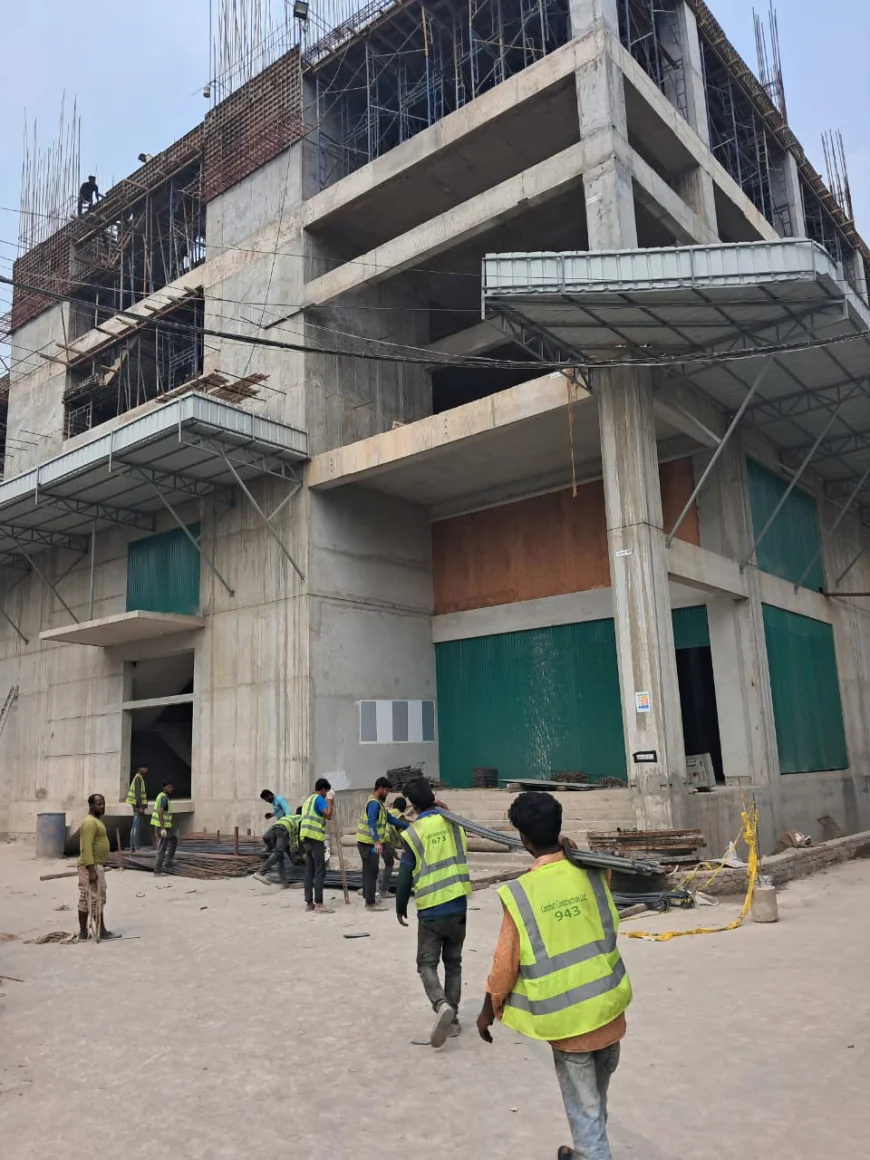
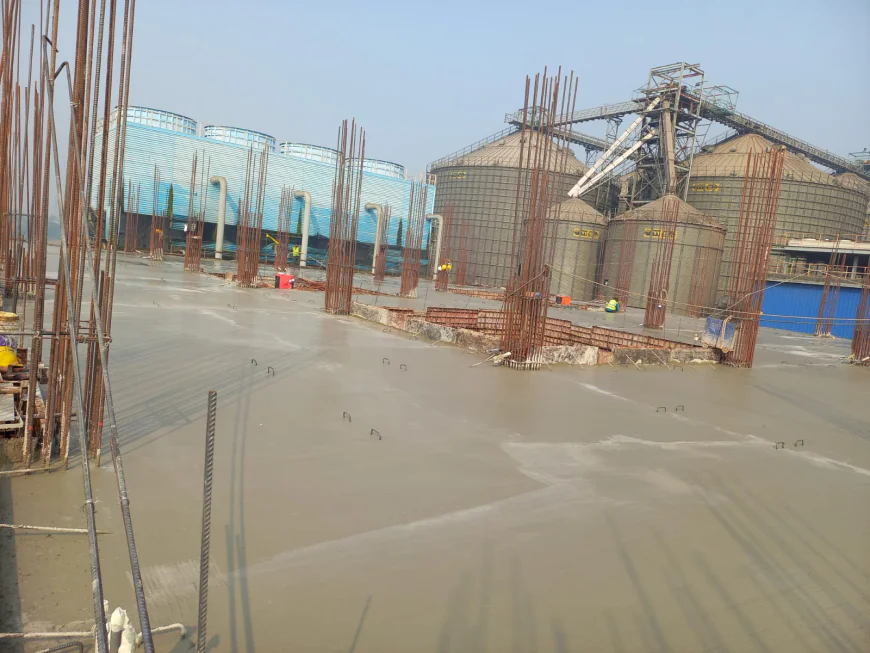
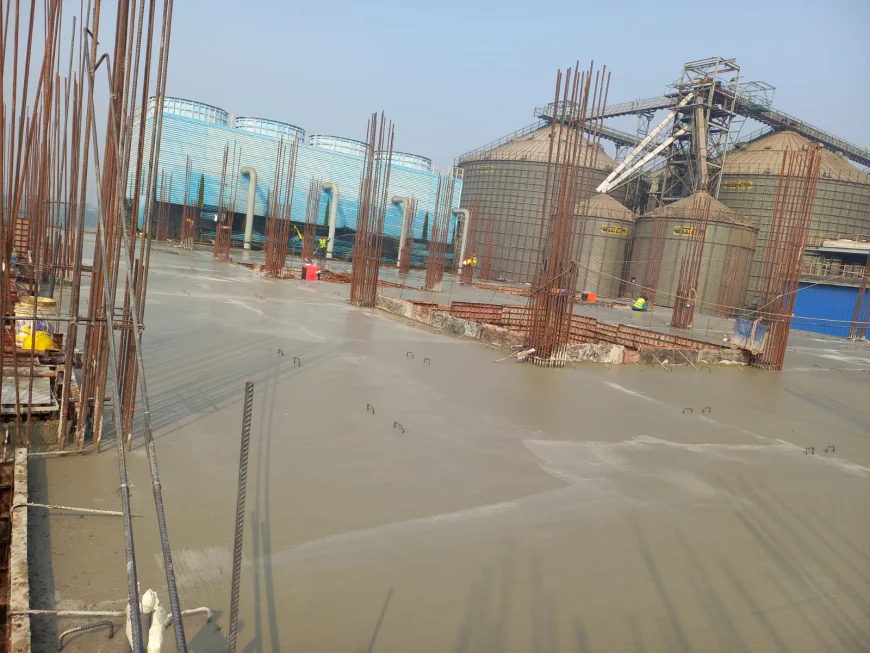
The company has also resumed construction of a new eight storey facility in Rupganj, Narayanganj. Work has been completed up to the fifth floor and the roof structure of the sixth floor has been installed without direct financial assistance from banks. Banking relationships that weakened after August 2024 have gradually improved as the new management stabilized operations.
Financial data for the fiscal year ending 30 June 2025 shows that Navana Pharmaceuticals recorded sales revenue of about Tk 884 crore compared with around Tk 690 crore in the previous year. The figures represent growth of roughly 28 percent.
Net profit during the same period reached about Tk 48.7 crore. Earnings per share rose to Tk 4.54 compared with Tk 3.77 a year earlier, marking an increase of around 20 percent. Net asset value also increased by about 7 percent.
The company also improved its cash collection from customers. In the most recent fiscal year it collected about Tk 843 crore from customers compared with roughly Tk 668 crore the previous year, representing a 26 percent increase. Market observers say the improved performance under the current management has restored some confidence among general investors who had previously been concerned about the company’s stability.
When contacted for comment, BSEC spokesperson Abul Kalam said the commission has not yet received a formal complaint against former managing director Dr. Junaid Shafique. He added that if such a complaint is submitted and verified the commission will take appropriate action. Nurul Haque, senior vice president of the Bangladesh Capital Market Investors Unity Council, said individuals like Shafique often shift political allegiance depending on which party holds power. According to him such opportunistic actors can harm the economy by manipulating financial markets and transferring funds abroad.
Navana Pharmaceuticals currently has a paid up capital of Tk 107.41 crore. General investors hold about 27.95 percent of the company’s shares while sponsors and directors hold 42.20 percent. Institutional investors own 10.21 percent and foreign investors hold 19.64 percent.