

























Inclusive water management urged to ease women's burden in Barind region
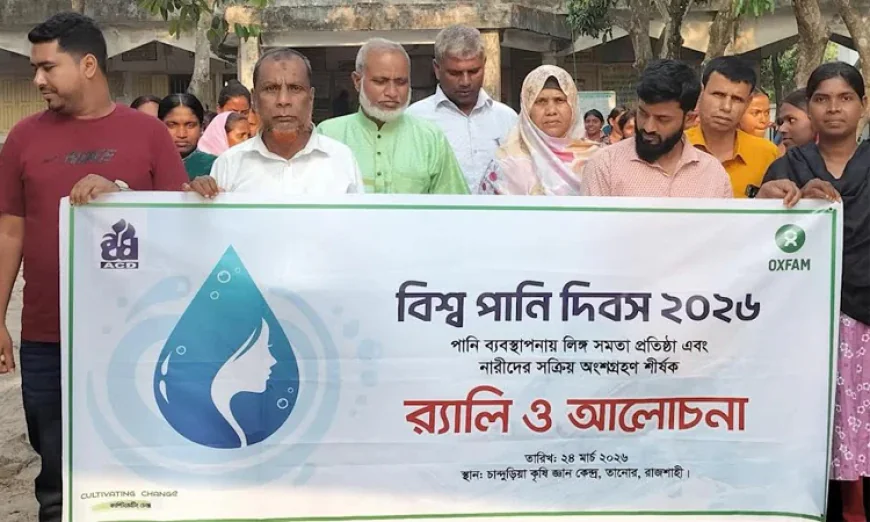
Community experts on Tuesday underscored the urgent need for inclusive water management to reduce the growing burden on marginalized communities, particularly women, in the Barind area. They observed that water scarcity and inadequate sanitation facilities are disproportionately affecting women and girls, increasing their workload, exposing them to health risks, and limiting their opportunities. The observations came during community-level discussions marking World Water Day 2026, held in Deopara and Chanduria unions under Godagari and Tanore upazilas.
The programmes were organized by the Association for Community Development (ACD) in collaboration with Oxfam in Bangladesh under the "Cultivating Change" project, initiated by the Chanduria Agricultural Knowledge Center. The theme of this year's World Water Day, "Water and Gender," carries the slogan "Where water flows, equality grows," highlighting the link between access to safe water and gender equality. Coordinated by UN-Water and led by UNICEF and UN Women, the global campaign emphasizes the disproportionate impact of water scarcity on women and girls and promotes women's leadership in water management.
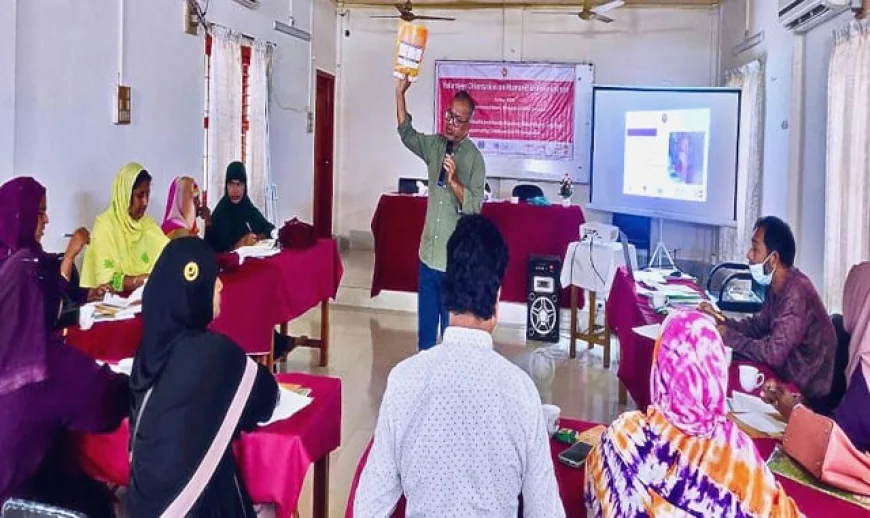
The local events brought together indigenous women farmers, community leaders, and agriculture officials to discuss sustainable water management, equitable access to resources, and the importance of women's participation in decision-making. Deputy Assistant Agricultural Officers Atanu Sarkar and Gaurang Bhowmik, ACD Project Coordinator Subrata Kumar Paul, and indigenous farmer Agatha Soren spoke at the discussions.
Women farmers, including Alanka Soren, Shyamoli Tudu, and Justina Murmu, also took part actively in the sessions. Awareness rallies were brought out following the discussions, with participants marching through local areas carrying banners and disseminating messages on water conservation, sanitation, and gender equality. The initiative enhanced community awareness, encouraged participation, and reinforced the importance of inclusive and sustainable water management practices. Participants expressed their commitment to ensuring equitable access to safe water and building resilient and inclusive communities.





 Sponsored by