
























Sri Lanka refused ground access to US warplanes
Sri Lanka refused permission to the United States to station two of its warplanes at a civilian airport in the island's south in early March, President Anura Kumara Dissanayake said on Friday. The request was turned down to maintain Sri Lanka's neutrality and ensure its territory was not used for any military purpose that could help or hinder either side, he told parliament. The Indian Ocean nation was drawn into the consequences of the war when US forces torpedoed an Iranian frigate off its coast in March.
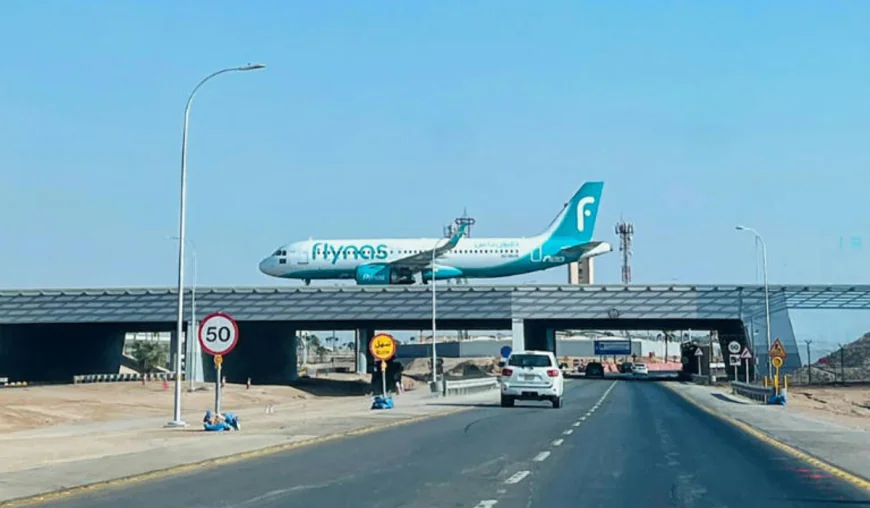
"They wanted to bring two warplanes armed with eight anti-ship missiles from a base in Djibouti to Mattala International Airport from March 4 to 8, and we said 'no'," Dissanayake said. He said the United States made the request on February 26. Iran made a similar request on the same day for three of its warships, returning from India after a naval exercise, to make a port call. "We were still considering the Iranian request to bring the three ships to Colombo from March 9 to 13. Had we said 'yes' to Iran, we would have had to say 'yes' to the US too," he said.
"But we didn't. We are steadfastly maintaining our position of neutrality," he added, drawing applause from the 225-member legislature. The US torpedoed one of the Iranian ships, IRIS Dena, just off the island's southern coast on March 4, killing at least 84 sailors. Sri Lanka's navy rescued 32 survivors. A second Iranian ship, IRIS Bushehr, was allowed to enter Sri Lankan waters the following day amid fears for the safety of its 219 crew, who have since taken shelter in Colombo. Sri Lanka maintains close ties with both the United States, the island's main export market, and Iran, the main buyer of Sri Lankan tea.


 Sponsored by