






























NBR chief signals potential hike in excise duty exemption limit
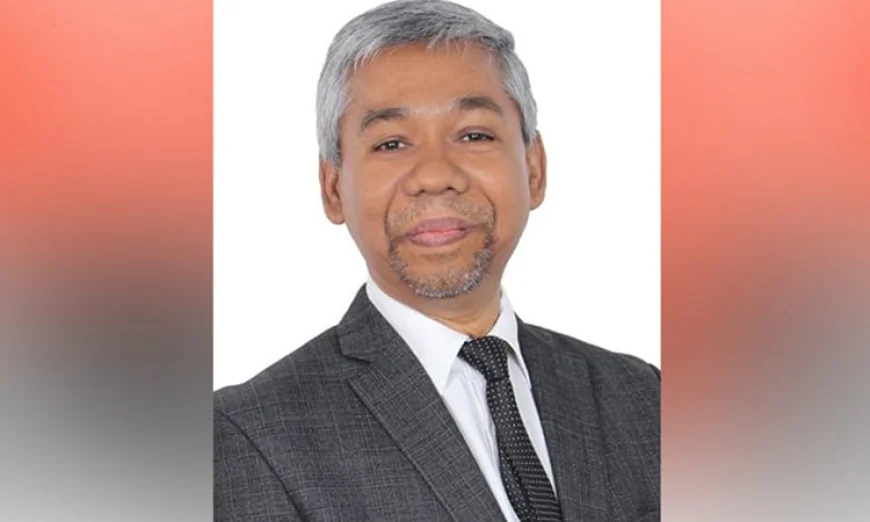
The National Board of Revenue (NBR) is set to propose a further hike in the excise duty exemption limit, currently capped at Taka 3 lakh, as part of a broader effort to reduce the cost of doing business and provide financial relief to taxpayers. NBR Chairman Md Abdur Rahman Khan today indicated that the move follows a series of reforms aimed at streamlining the tax system. “We are looking to build on previous momentum, where the exemption threshold was raised to its current level to assist small depositors and businesses,” he said.
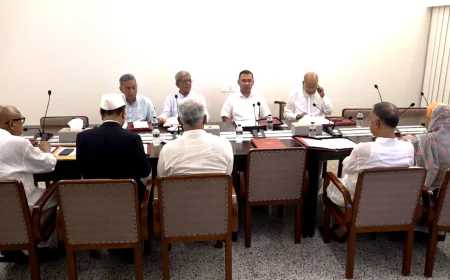
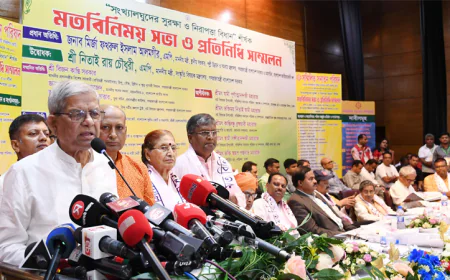
The NBR chief made the remarks during a pre-budget meeting with the Association of Bankers Bangladesh (ABB), Bangladesh Association of Banks (BAB), DSE Brokers Association of Bangladesh (DBA), Central Depository Bangladesh Limited (CDBL), Bangladesh Insurance Association (BIA), Bangladesh Merchant Bankers Association (BMBA), Dhaka Stock Exchange and Chittagong Stock Exchange (CSE) at the NBR in the city. Under the existing fiscal policy, he mentioned that the NBR provides an excise duty exemption for balances up to Taka 3 lakh. He said that a move to expand this threshold further, stating his intention to consult with the Finance Minister to determine the extent of the new limit.
In a candid assessment of the tax, the Chairman characterized excise duty as a ‘black thing’ describing it as an undesirable and illogical element of the revenue structure. He expressed a long-term vision to abolish the duty entirely as the national economy strengthens and more sophisticated revenue streams are established. During the meeting, ABB Chairman Mashrur Arefin submitted a strategic roadmap of budget recommendations for the 2026-2027 fiscal year aimed at national economic modernization.
He called for a sweeping recalibration of corporate tax rates, the removal of systemic barriers to Foreign Direct Investment (FDI), and urgent relief for the CMSME sector and banking professionals struggling against persistent inflationary headwinds. He proposed reduction of the corporate tax rate for listed banks from the current 37.5% to below 30%. He contended that the existing rate places Bangladesh at a severe competitive disadvantage, noting that the average corporate tax rate among OECD and Asian nations is approximately 20%. He underscored that narrowing this gap is essential to making Bangladesh a viable destination for FDI.
By aligning more closely with regional peers, he sought to incentivize banks to seek stock market listings and reinforce their capital bases. He recommended a 100% tax exemption on all expenditures related to Corporate Social Responsibility (CSR), challenging the current regulatory treatment of these funds. Under existing rules, banks face disallowance on CSR spending, effectively taxing social investments as if they were non-business expenses, he added. He argued that because CSR activities directly advance government objectives in healthcare, education, and social welfare, they should be incentivized as public-private partnerships rather than being penalized.
Removing this tax barrier would allow the sector to broaden its social impact without the current fiscal friction that characterizes social spending, he added.