




































Huawei Faces Fresh Questions Over GBox-Dependent Google App Access
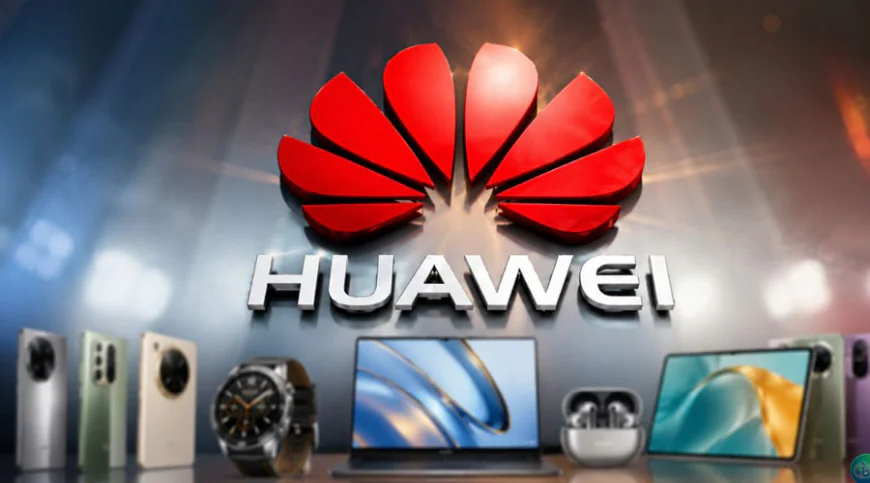
Chinese technology company Huawei has returned to Bangladesh’s smartphone market after an eight-year absence. Through local distributor DX Group, the company announced on June 8 the launch of 13 devices, including smartphones and tablets. Sales of four smartphone models have already begun. However, shortly after its market re-entry, Huawei has come under renewed scrutiny over its alternative solution for accessing Google applications.
Following US sanctions imposed in 2019, Huawei’s new devices lost access to Google Mobile Services (GMS) licenses. As a result, users are unable to directly use popular Google services such as the Play Store, Gmail, YouTube, and Google Maps. To overcome this limitation, some Huawei devices reportedly allow users to access Google-based applications through GBox, a third-party application.
The arrangement has raised concerns among technology analysts and users. They argue that smartphone buyers naturally expect widely used applications to function seamlessly. Reliance on alternative platforms in devices lacking official Google licenses may complicate the user experience and create uncertainty regarding app performance.
User complaints have already surfaced. In the Facebook group “Huawei Mobile User Community in Bangladesh,” a user identified as S.M. Sabbir Hossain Noman reported experiencing repeated problems while using the bKash mobile financial service app through GBox on his Huawei Y90 smartphone. According to his post, the application frequently stops functioning properly after a period of use. He sought assistance from fellow users in finding a permanent solution.
Technology experts note that stability is particularly critical for banking and financial transaction applications. If users must rely on alternative platforms to access such services, questions regarding security, reliability, and long-term support are likely to arise.
Huawei Bangladesh was contacted for its official position on the matter. However, Faruk Rahman, Marketing Manager (Devices) at Huawei Bangladesh, declined to comment. As a result, the company’s stance on the necessity of GBox, its limitations, security measures, and user complaints remains unclear.
According to industry analysts, Huawei’s biggest challenge in Bangladesh is no longer limited to selling new devices. Rather, it must regain consumer confidence and demonstrate its technological capability and transparency in a post-Google environment.




 Sponsored by