




























Rising Climate Threats Put Bangladesh’s Future at Risk
Bangladesh is facing an escalating climate crisis that threatens its environment, economy, and human security. Scientists and policymakers alike warn that without urgent global and national action, the impacts of climate change could undermine decades of development progress in the country.
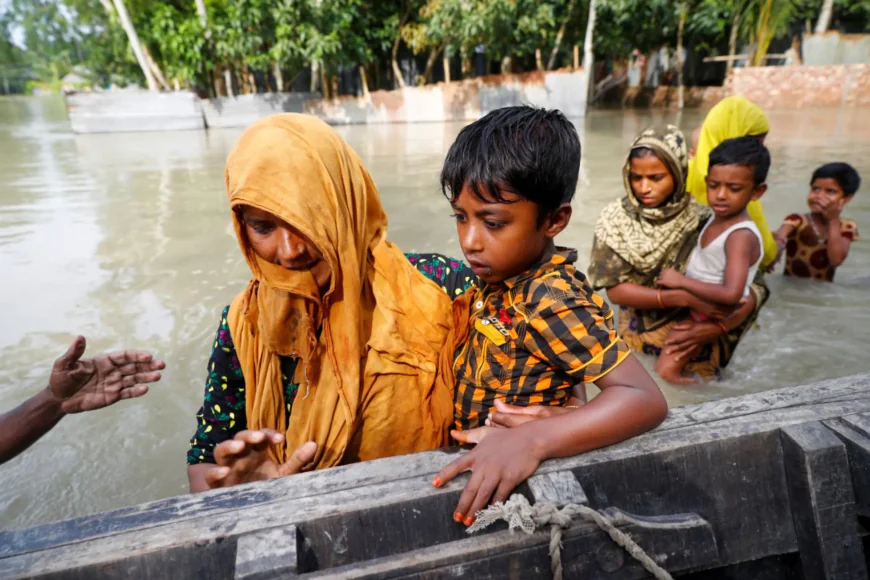
As a deltaic nation crisscrossed by hundreds of rivers, Bangladesh is naturally prone to floods and cyclones. However, climate change is intensifying these hazards. Erratic rainfall, prolonged floods, and increasingly powerful storms are becoming more frequent, disrupting livelihoods and damaging critical infrastructure.
In recent years, the country has experienced record-breaking temperatures and unpredictable weather patterns. Heatwaves have become more intense, affecting both urban and rural populations. Farmers are struggling to adapt as traditional planting seasons shift, leading to lower crop yields and rising food insecurity.
The coastal belt remains the most vulnerable region. Rising sea levels are gradually inundating land, while saltwater intrusion is affecting drinking water sources and agricultural fields. Many coastal families are losing their homes and means of income, forcing them to migrate inland in search of survival.
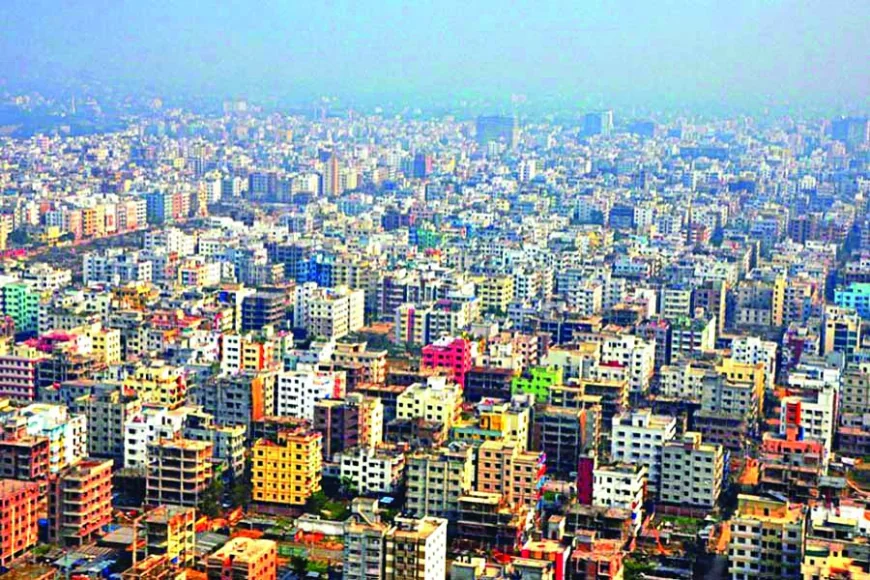
Urban areas are also under pressure. Cities like Dhaka and Chattogram are witnessing a steady influx of climate-displaced people. This rapid urbanization is creating challenges such as housing shortages, traffic congestion, and increased demand for basic services, including water and healthcare.
Environmental degradation is another growing concern. Wetlands and forests, which act as natural buffers against disasters, are under threat due to both climate change and human activities. The Sundarbans, the world’s largest mangrove forest, is particularly at risk from rising salinity and sea-level rise, endangering its rich biodiversity.
Economically, the cost of climate change is mounting. Losses in agriculture, fisheries, and infrastructure run into billions of dollars each year. Small-scale farmers and day laborers are among the hardest hit, widening inequality and deepening poverty in vulnerable communities.
Health experts are also raising alarms over climate-related risks. Increased temperatures and waterlogging are contributing to the spread of diseases such as dengue, malaria, and diarrhea. Children and the elderly are especially at risk.
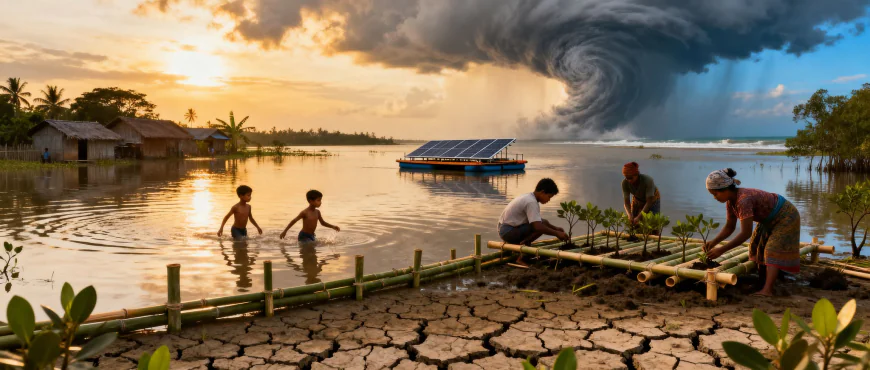
Despite these challenges, Bangladesh has taken notable steps to address climate change. From developing climate-resilient crop varieties to investing in disaster preparedness and renewable energy, the country is actively working to build resilience. Its efforts have been recognized internationally as a model for adaptation.
Nevertheless, experts stress that Bangladesh cannot tackle this crisis alone. As a country that contributes very little to global emissions, it continues to demand climate justice, urging developed nations to reduce emissions and provide adequate financial and technological support.
The reality is clear: climate change is no longer a distant threat for Bangladesh—it is a present and growing crisis. The actions taken today, both at home and globally, will determine the country’s ability to safeguard its people and secure a sustainable future.



 Sponsored by