


































Bangladesh on the Frontline of Global Climate Change Impacts
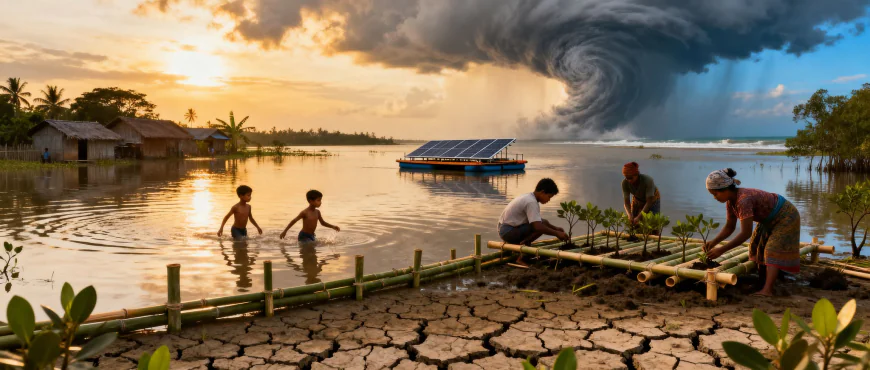

Bangladesh, one of the world’s most climate-vulnerable countries, is increasingly facing severe consequences due to global climate change. Despite contributing minimally to global greenhouse gas emissions, the country continues to bear a disproportionate burden of environmental, economic, and social losses.
Located in the low-lying delta of the Ganges, Brahmaputra, and Meghna rivers, Bangladesh is highly susceptible to rising sea levels, cyclones, floods, and salinity intrusion. Experts warn that if current trends continue, nearly one-third of the country’s coastal areas could be submerged by the end of the century, potentially displacing millions of people.
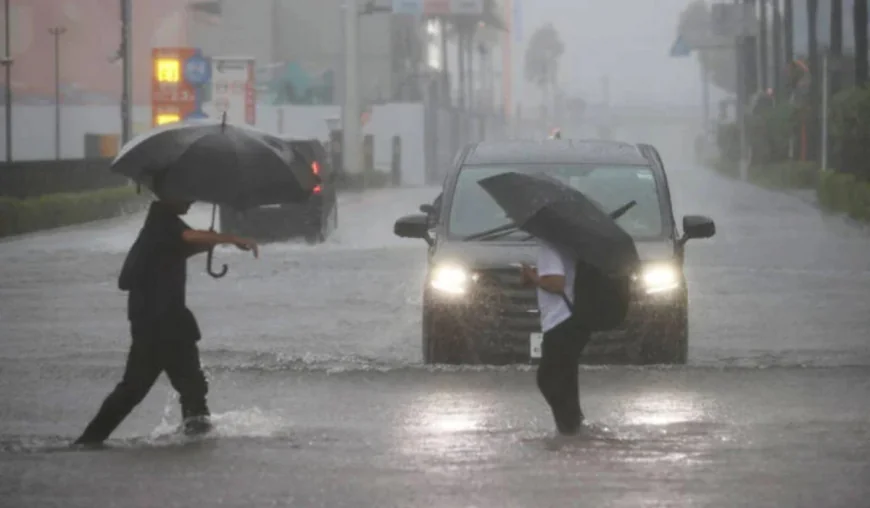
One of the most visible impacts is the increasing frequency and intensity of natural disasters. Cyclones such as Sidr, Aila, Amphan, and Mocha have caused widespread devastation in recent years, damaging homes, infrastructure, and agricultural land. Flooding, particularly during the monsoon season, has also intensified, affecting millions annually and leading to significant crop losses.
Salinity intrusion in coastal districts is another major concern. As seawater encroaches into freshwater systems, agricultural productivity declines, drinking water becomes scarce, and public health risks increase. Farmers are often forced to shift from traditional crops to salt-tolerant varieties, which are less profitable.
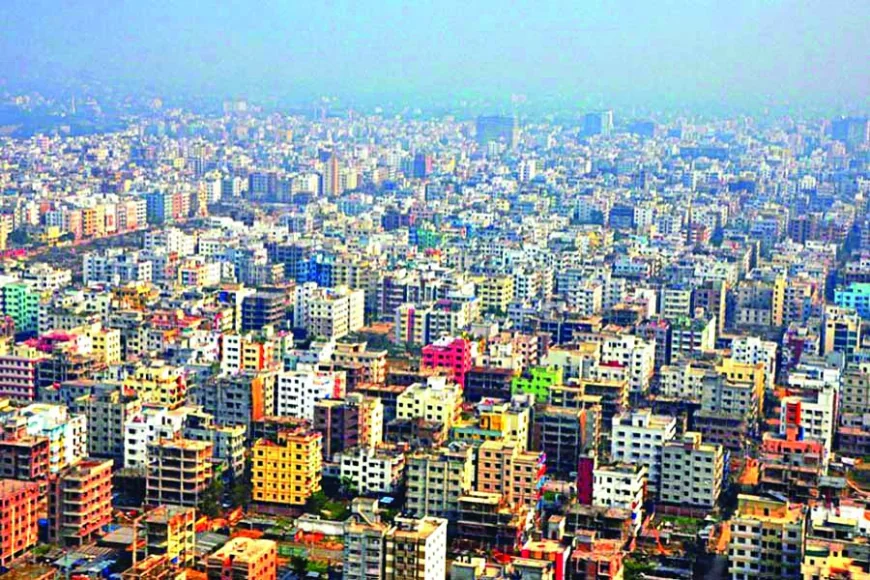
Climate change is also accelerating riverbank erosion, rendering thousands of people homeless every year. Many of these displaced individuals migrate to urban areas, particularly Dhaka, where they face overcrowding, unemployment, and poor living conditions. This growing number of “climate refugees” is placing additional strain on already limited urban resources.
The economic impact is substantial. According to various studies, Bangladesh loses billions of dollars annually due to climate-related disasters. Key sectors such as agriculture, fisheries, and infrastructure are under constant threat, which in turn affects national development and poverty reduction efforts.
Health risks are also on the rise. Warmer temperatures and changing rainfall patterns contribute to the spread of waterborne and vector-borne diseases, including dengue and cholera. Malnutrition is another growing concern, especially among vulnerable communities affected by food insecurity.
Despite these challenges, Bangladesh has been globally recognized for its proactive approach to climate adaptation. The government has implemented various initiatives, including the construction of cyclone shelters, coastal embankments, and early warning systems. Community-based adaptation programs and investments in climate-resilient infrastructure have also shown promising results.
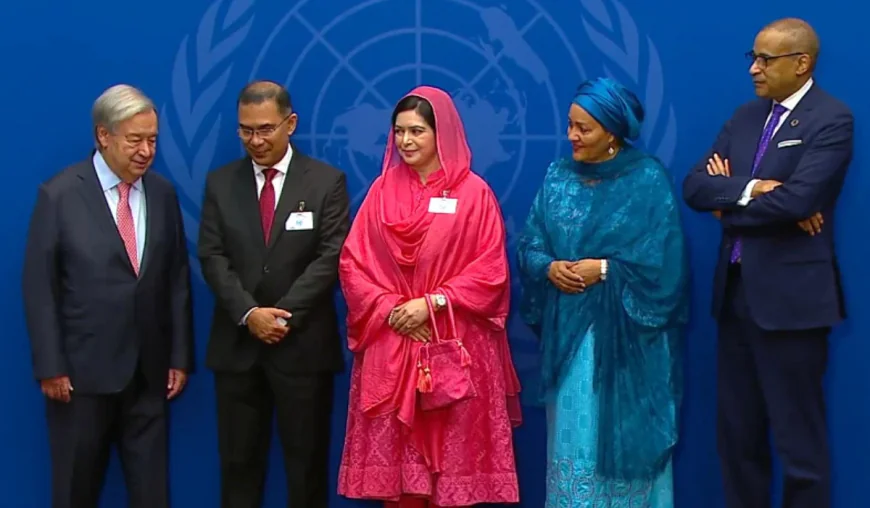
However, experts emphasize that national efforts alone are not enough. Bangladesh continues to call for stronger international cooperation, climate finance, and technology transfer from developed nations to effectively combat the impacts of climate change.
As the climate crisis intensifies, Bangladesh stands as a stark example of the urgent need for global action. Without immediate and sustained efforts, the country’s environmental and socio-economic stability may face unprecedented risks in the coming decades.





 Sponsored by