
































Bangladesh Faces Growing Earthquake Risk Amid Rapid Urbanization
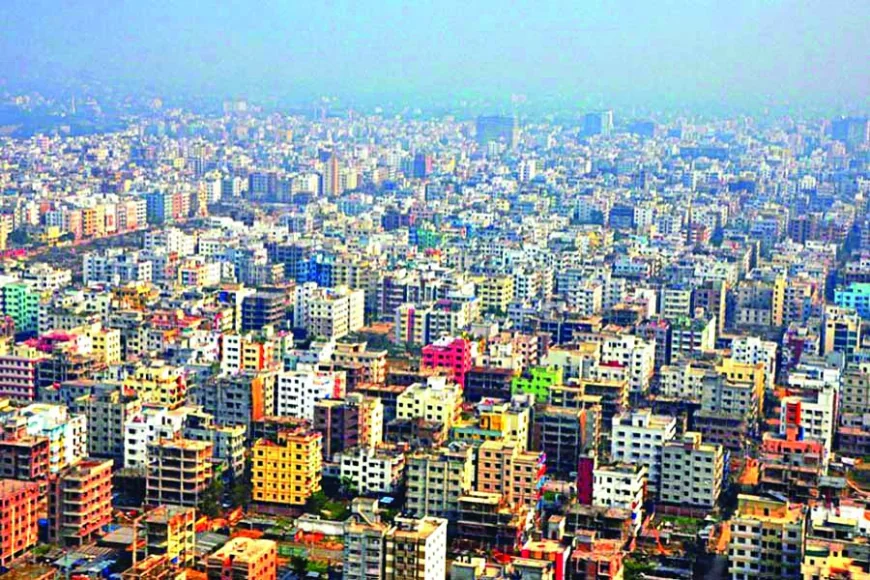

Bangladesh, though better known for its vulnerability to floods and cyclones, is increasingly being recognized as a country at significant risk of earthquakes. Experts warn that a major seismic event could have devastating consequences, particularly in densely populated urban centers where preparedness remains limited.
Geographically, Bangladesh is located near the boundary of several active tectonic plates, including the Indian Plate, the Eurasian Plate, and the Burmese Plate. This positioning places the country within a seismically active zone. Historical records indicate that the region has experienced several strong earthquakes, suggesting that the threat is both real and recurring.
Seismologists have identified a number of fault lines in and around Bangladesh, particularly in the northeastern region such as Sylhet and parts of Chattogram. These areas are considered highly vulnerable due to their proximity to active geological structures. The Dauki Fault, which runs along the border of Bangladesh and India, is often cited as one of the most dangerous sources of potential earthquakes in the region.
One of the major concerns is the lack of earthquake-resistant infrastructure. Rapid and often unplanned urbanization in cities like Dhaka, Chattogram, and Sylhet has resulted in the construction of numerous buildings that do not comply with proper safety standards. Many structures are built without adequate engineering oversight, increasing the risk of collapse during a seismic event.
According to experts, a strong earthquake in or near Dhaka could result in massive casualties and widespread destruction. The capital city, with its high population density and inadequate road networks, would face serious challenges in emergency response and evacuation. Narrow streets and traffic congestion could severely hamper rescue operations.
Public awareness and preparedness are also relatively low. Many people are unaware of basic safety measures to follow during an earthquake. Regular drills, education campaigns, and community-based training programs are still insufficient to ensure nationwide readiness.
In addition, emergency response capacity remains a concern. Although the government has taken steps to improve disaster management systems, including the development of contingency plans and the training of rescue teams, experts say more investment is needed in equipment, coordination, and rapid response mechanisms.
Despite these challenges, efforts are underway to reduce earthquake risks. The government has introduced building codes and guidelines aimed at improving construction standards. Various organizations are also working to raise awareness and strengthen preparedness at the community level.
However, specialists emphasize that implementation remains the key challenge. Strict enforcement of building regulations, retrofitting of vulnerable structures, and expansion of emergency services are essential to minimize potential losses.
As Bangladesh continues to develop and urbanize, the threat of a major earthquake cannot be ignored. Proactive measures taken today could save countless lives in the future, making earthquake preparedness a national priority rather than an afterthought.





 Sponsored by