





























Sri Lanka growth slows after deadly cyclone
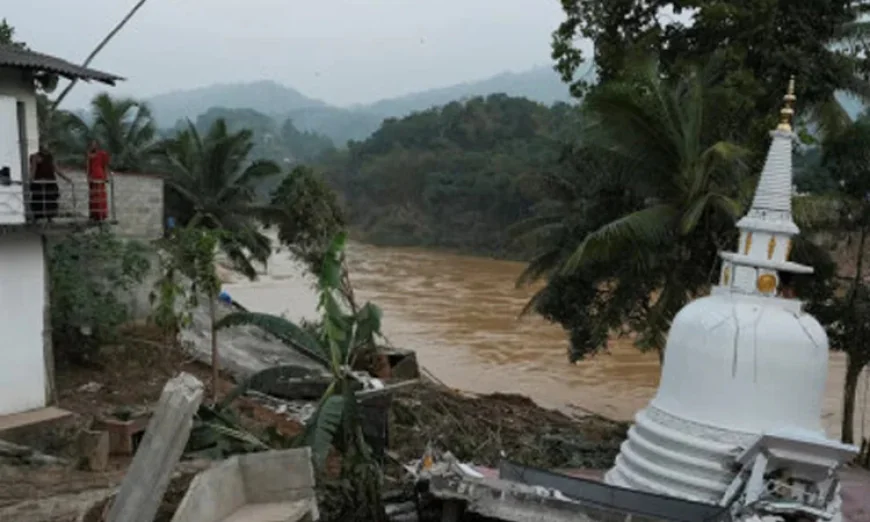
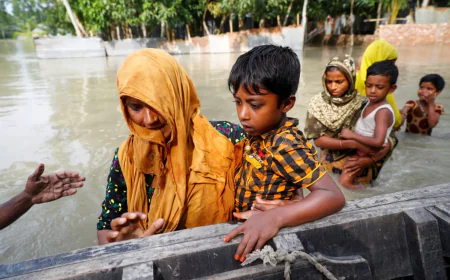
Sri Lanka's economy expanded 4.8 percent in the final quarter of 2025, slowing sharply after a devastating cyclone that killed 641 people, official data showed Wednesday. Cyclone Ditwah, which struck in late November, caused an estimated $4.1 billion in damage, according to the World Bank -- the worst natural disaster to hit the island since the 2004 Asian tsunami.
Fourth?quarter growth eased from 5.6 percent a year earlier, the Department of Census and Statistics said. But full?year growth held steady at 5.0 percent, matching 2024. Officials said the lifting of a five?year ban on vehicle imports helped boost economic activity, alongside a stable exchange rate and higher electricity generation. Sri Lanka is still recovering from its worst economic meltdown in 2022, when the island ran out of foreign exchange to finance even the most essential imports such as food, fuel and medicines.
Since then, the country has secured a $2.9 billion IMF bailout and has been following a reform agenda aimed at maintaining stability. However, the World Bank warned late last year that Sri Lanka's recovery remained "uneven and incomplete", with many households yet to regain livelihoods lost during the 2022 crisis. The World Bank had forecast Sri Lanka's economy to grow 4.6 percent last year, but the country performed slightly better according to the statistics department's figure.
Sri Lanka's economy suffered its worst recession in 2022, contracting 7.3 percent, when then-president Gotabaya Rajapaksa was forced to resign following months of street protests. The leftist administration of President Anura Kumara Dissanayake, who came to power in late 2024, has retained many of the austerity measures and high taxes introduced by his predecessor.