











Trump warns of longer Iran war as Riyadh, Beirut hit
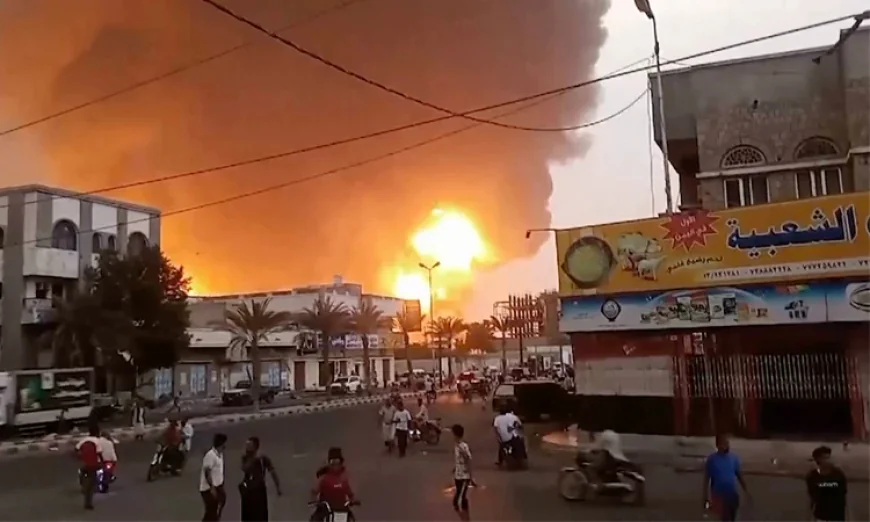
US President Donald Trump warned that his attack on Iran could extend longer than a month, as the war spread Tuesday with Israel bombarding Lebanon and Tehran targeting US allies in the Gulf, including drones hitting the US embassy in Saudi Arabia. Shortly after the United States urged Americans to flee all Middle Eastern nations from Egypt eastward, smoke rose above the US embassy in Riyadh after it was hit by two drones, a Saudi defense spokesman said, although there were no immediate reports of injuries.
New powerful explosions also shook windows in Tehran as fighter jets flew over the Iranian capital, AFP journalists witnessed, as the Pentagon boasted that it had achieved air superiority over the country ruled since 1979 by Islamic clerics virulently opposed to the United States. Trump said that the war, which began Saturday with a strike that killed Iran's supreme leader, Ayatollah Ali Khamenei, was going "substantially" ahead of schedule but that the United States was equipped for a prolonged conflict.
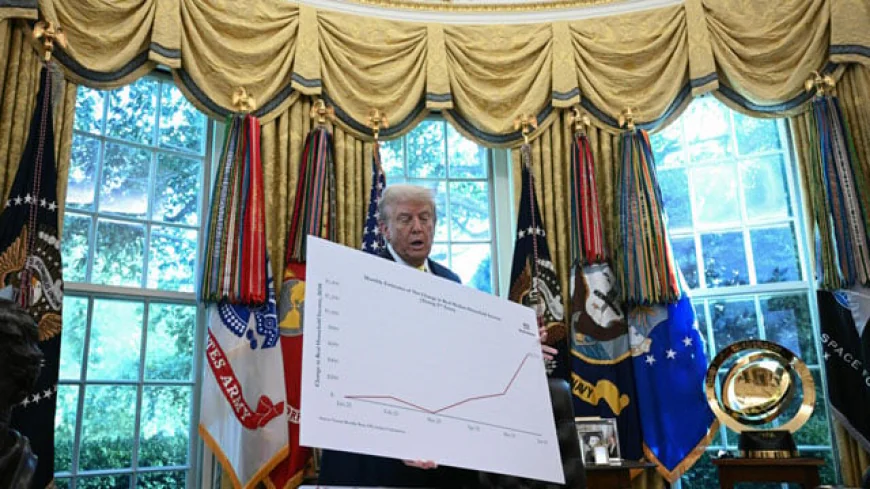
"From the beginning we projected four to five weeks, but we have capability to go far longer than that," Trump said at the White House. He also for the first time laid out objectives -- destroying Iran's missiles, navy and nuclear program and stopping its support for armed groups across the region. The goals notably did not include toppling the Islamic republic, even though on Saturday Trump had urged the people of Iran to rise up and overthrow their government.
Secretary of State Marco Rubio presented a strikingly new narrative of how the conflict started, saying that the United States, which built up its military to levels not seen since the 2003 Iraq invasion, attacked only after learning that ally Israel was set to strike Iran. Iran had been ready to strike US forces in the region in response to Israel, so Trump decided to intervene "pre-emptively" alongside Israel, Rubio asserted. "The imminent threat was that we knew that if Iran was attacked -- and we believed they would be attacked -- that they would immediately come after us," Rubio told reporters before briefing lawmakers.
Rival Democrats voiced disbelief, with Senator Mark Warner saying it was "unchartered territory" for the United States to be triggered into action by Israel's perception of a threat. Iran has responded to the attack by unleashing missiles and drones across the Middle East, threatening explicitly to drive up energy costs, which could wreak havoc on the global economy. "We will burn any ship that tries to pass through the Strait of Hormuz," Revolutionary Guards General Sardar Jabbari said of the strategic waterway to the Gulf through which about 20 percent of global seaborne oil travels.
European natural gas prices surged more than 39 percent after Qatar's state-run energy firm said it had halted liquefied natural gas production following Iranian attacks. Qatar, which had comparatively good relations with Iran before the war, said it shot down two Iranian bombers, the first time a Gulf Arab country has hit planes from their giant neighbor. Loud explosions throughout the day rocked Beirut as Israeli warplanes struck the Lebanese capital's southern suburbs.
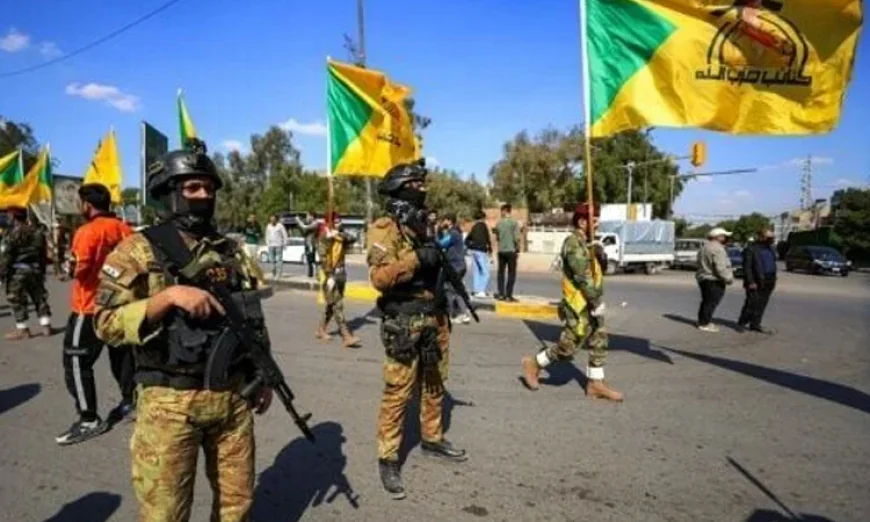
The strikes killed at least 52 people and wounded at least 154, according to the Lebanese government. In the southern city of Sidon, cars of families fled on packed roads with mattresses tied to their roofs. Hezbollah, the armed Shiite movement affiliated with Iran, had vowed retaliation for Khamenei's death and launched rockets and drones toward Israel. In response, Lebanese Prime Minister Nawaf Salam took the unprecedented step of ordering an "immediate prohibition" of Hezbollah's military activities and called on the group to hand over its weapons.
Six US military personnel have been killed so far in the war, according to US Central Command. Iranian media have reported hundreds of Iranian casualties, although AFP reporters have not been able to verify tolls independently. Iran claimed that 168 people were killed in a strike on a girl's school in the southern town of Minab and that a hospital in Tehran was also struck. "The world must condemn it," Iranian President Masoud Pezeshkian said. Rubio said the school incident was under investigation but that the United States "would not deliberately target" children.
 Sponsored by