















Production and trade of date palm turned into a thriving business in Rajshahi
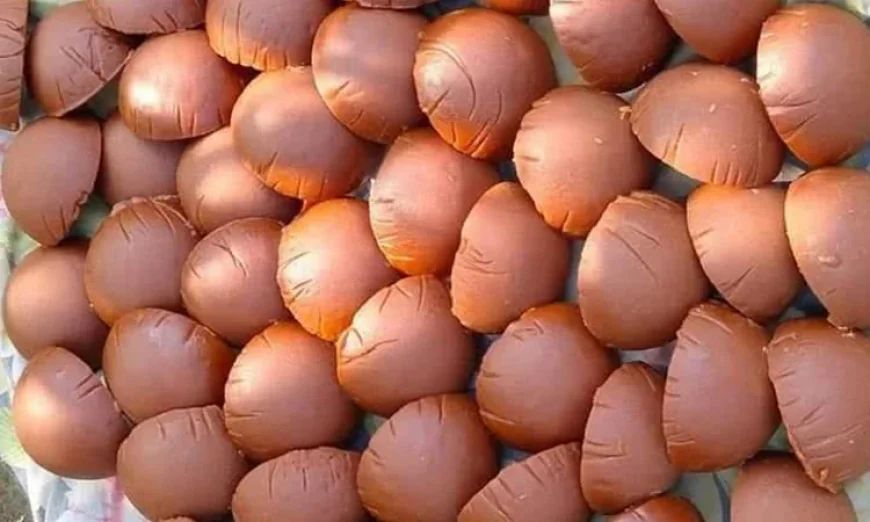
Production and trade of date palm jaggery (khejurer gur) in Rajshahi have turned into a thriving business worth several hundred crores of Taka. Sap tappers in areas such as Bagha, Puthia, and Charghat are passing through a very busy time. Bagha, Arani, Jhalmolia of Puthia, Nawhata, Katakhali, Belpukur, and Bhalukgachhi are the main wholesale and retail markets for date palm jaggery. Prices of date palm jaggery and patali vary depending on quality, and at the wholesale level it is considered a large-scale business.
In search of affordable prices, many buyers purchase jaggery directly from sap tappers or from trusted traders. Thousands of families are involved in this business throughout the winter season. In Rajshahi alone, about 6,000 families are directly engaged, and many young people are also entering the trade. The date molasses industry in Rajshahi is a highly profitable, seasonal, and labor-intensive business during winter (Oct-Mar), producing around 8,000–9,140 tonnes of molasses annually.
The trade supports over 21,000 farmers ("gachhis") and contributes significantly to the local economy. According to traders at Baneshwar and Jhalmalia, date palm jaggery worth Taka 2.25 crore is sold every week at Baneshwar market alone, which operates two days a week. Each week, 15 to 18 truckloads of jaggery are shipped from Baneshwar market to Dhaka and other parts of the country.
Saiful Islam, owner of Kazi’s Hat Traders, a wholesale jaggery depot at Baneshwar market, said, “This jaggery is sent to Dhaka, Sylhet, Chattogram, Mymensingh, Netrokona, Chandpur, and many other parts of the country. From Dhaka, it is then exported abroad.” Shankar Babu, a wholesale trader from Dhaka, said, “The largest quantities of jaggery come to the markets at Jhalmalia and Baneshwar. This date palm jaggery is distributed across the country. After meeting domestic demand, it is also exported to America, Canada, London, Saudi Arabia, and various European countries.”
Shahjahan Ali, a sap collector from Nayapara village in Puthia upazila, said, “I have 100 date palm trees. Every day, I produce around 45 to 50 kilograms of date palm jaggery. Markets are held four days a week in the area, and I sell my jaggery there. We have to collect sap from the trees very early in the morning. After bringing the sap home, the women of the household boil it to make jaggery.” Another sap collector from the Nayapara area, Shafiqul Islam, said, “Our family’s income during the winter season comes entirely from making jaggery. There is no worry about running the household. This year, I sold date palm jaggery for over Taka 100 per kilogram. Prices were good at first, but they have started to decline slightly now.”
Merajul Islam from Gopalhati village in Puthia upazila said, “Date palm trees along the edges of farmland do not cause any harm, and they do not require extra land. Selling jaggery every week provides good income, which supports the family and helps cover farming expenses for about six months of the year.” The Department of Agricultural Extension (DAE) says that more than 30,000 people are involved in date palm jaggery production in Rajshahi. This year, date palm jaggery worth Taka 9.6 billion will be traded in the district.
Rajshahi’s date palm jaggery has a strong reputation. This delicious jaggery is in high demand abroad. Sap collectors are now getting good prices for their jaggery. During winter, thousands of people depend on date palm jaggery for their livelihoods. Dr Azizur Rahman, Additional Director of the DAE said, “This year in Rajshahi district, about 1,201,775 date palm trees are spread over approximately 593.47 hectares of land. Each tree produces about 80 kilograms of sap, yielding around 8 kilograms of jaggery.”