



























Boost community healthcare to curb measles surge: epidemiologist
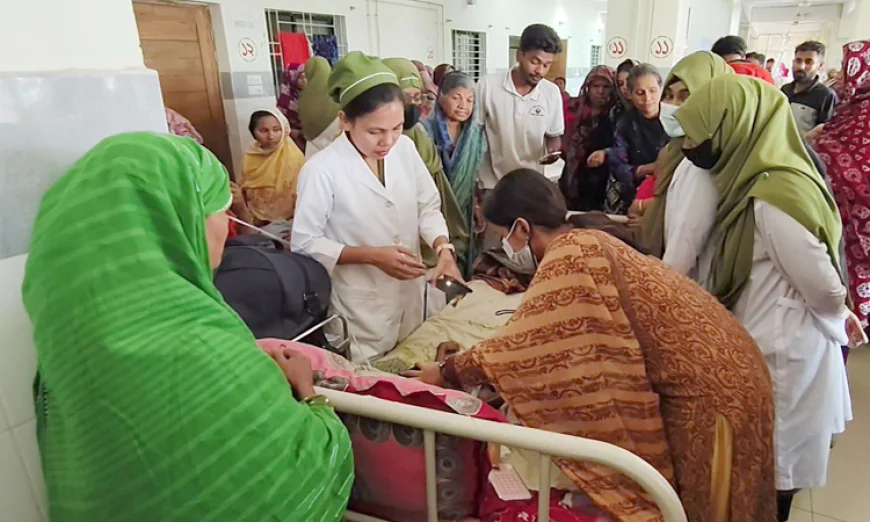
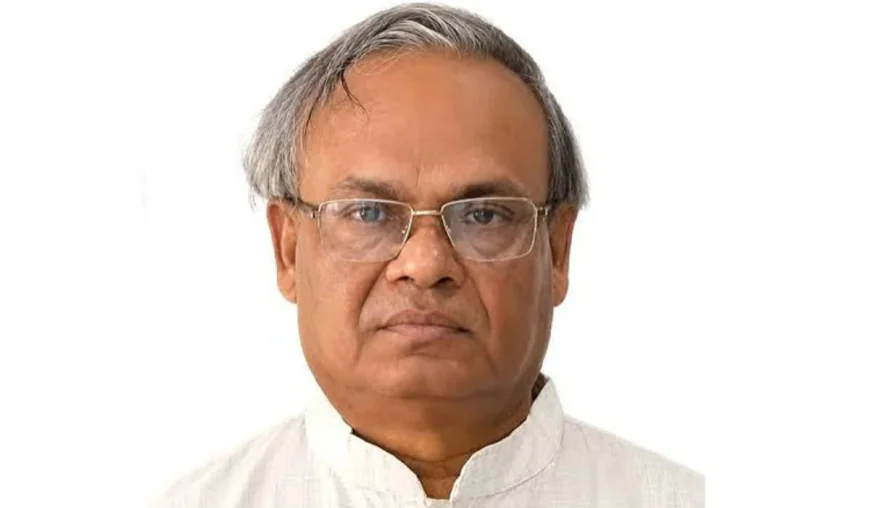
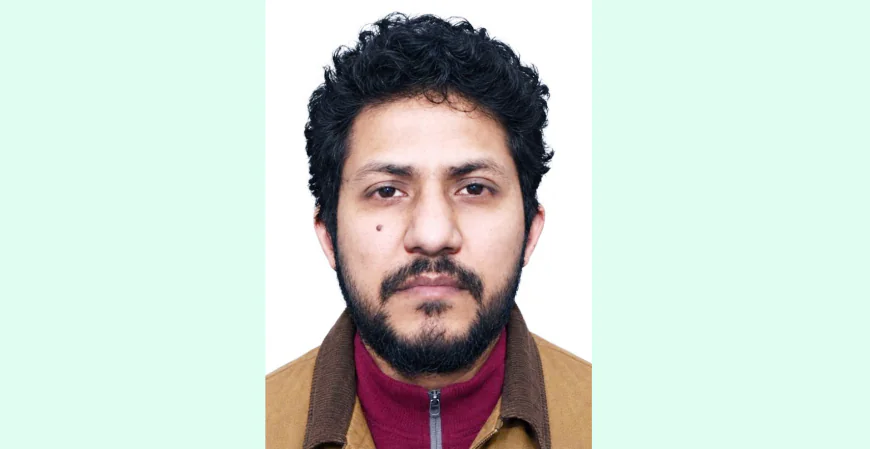
As measles resurges among children across Bangladesh, public health experts opined placing community-based healthcare services at the center of the national response. Health professionals broadly agree that a coordinated, multi-sectoral approach—integrating vaccination, nutrition, primary healthcare and community-based epidemiological surveillance—is crucial to curb the outbreak. “The frontline is the first line,” said eminent epidemiologist and public health expert Prof. Dr. Pravat Chandra Barua underscoring that investing in community healthcare systems will not only curb the current measles resurgence but also strengthen Bangladesh’s overall capacity to respond to future public health threats.
Dr. Barua, former Line Director of TB and Leprosy at the Directorate General of Health Services (DGHS), emphasized that community healthcare workers must lead the response. Dr Barua said evidence-based policymaking will be key to protecting the country’s most vulnerable children and ensuring long-term public health resilience. “Strengthening community-based surveillance and early detection is the most effective way to break that chain,” he said.
Dr Barua, also former Vice-Chancellor of the University of Science and Technology, Chattogram, also suggested operating a robust epidemiological surveillance at the community level, where cases first appeared. Public health specialists highlighted that community healthcare providers—including health assistants and family welfare workers—are stepping up efforts through door-to-door visits, early symptom identification, and real-time reporting. These frontline workers are also playing a role in raising awareness, encouraging vaccination, and ensuring timely referrals.
Strengthening these services is essential not only for surveillance but also for improving vaccination outcomes, according to the experts, “Community health workers are the bridge between the system and the people,” said Dr Barua, also former head of the department of community medicine at Chittagong Medical College. Experts also pointed to deeper structural issues driving the resurgence, including maternal under nutrition, low birth weight, and inadequate infant feeding practices, all of which weaken immunity and increase the severity of infection in children.
Dr. Barua noted that many affected families face overlapping vulnerabilities such as early marriage, poor maternal health, and lack of access to reliable primary healthcare services. “These are not just medical issues—they are social determinants of health,” he said. “Community-based healthcare services are uniquely positioned to address them through direct engagement with families.”
The government launched an emergency, nationwide measles-rubella vaccination campaign in April 2026, aiming to immunize 1.8 crore (18 million) children aged 6 to 59 months. The drive, supported by UNICEF, WHO, and Gavi, began in 30 high-risk upazilas on April 5, expanding nationwide by April 20 to combat a surge in cases. Over 96 percent children have already been vaccinated out of total target of vaccinating 18 million.
Experts also stressed the need to modernize epidemiological surveillance through digital reporting tools, active case detection, and continuous data analysis at the local level. Health officials said the spike in infections- now reported in 58 districts- is largely linked to disruptions in routine vaccination during the COVID-19 pandemic, when lockdowns, supply constraints during the previous government tenures and vaccine hesitancy caused many families to miss scheduled doses. “We are now seeing the consequences of that gap,” said Paediatric Medicine and Neonatology Professor Dr Begum Sharifun Naher, noting that cases are reported even among infants younger than the recommended vaccination age.
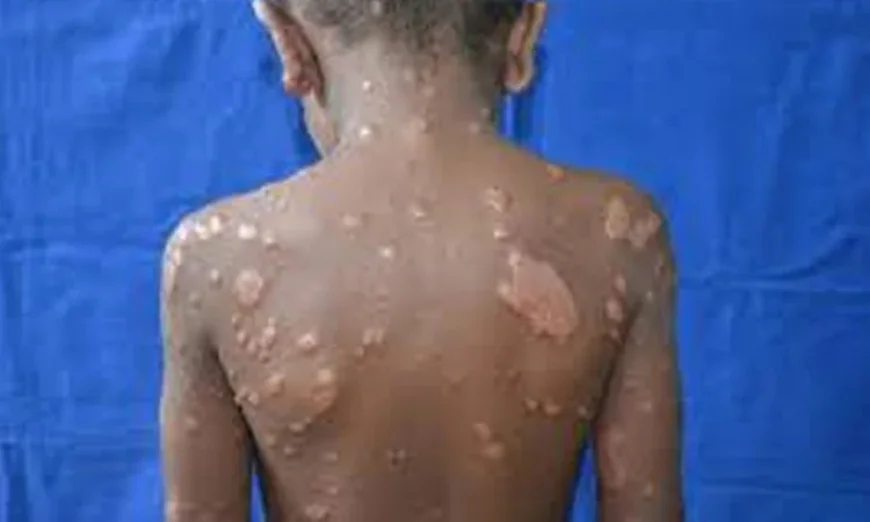
Health experts warn that single infected one can transmit the virus to as many as 18 others, underscoring the urgency of containment efforts. Doctors say common symptoms include high fever, cough, runny nose and inflamed eyes, followed by a red rash that typically begins behind the ears and spreads across the body.
While many cases resolve without complications, severe infections can lead to pneumonia, encephalitis, blindness and ear infections. “Breathing difficulties are a critical warning sign,” Dr Naher said, urging parents to seek immediate medical care if symptoms worsen.
Malnourished children are at high risk of severe illness and death, raising concerns among public health officials as nutritional deficiencies and delayed immunisation compound the threat. Bangladesh’s routine immunisation schedule provides measles vaccines at nine and 15 months. However, during the current outbreak, officials are encouraging additional doses, maintaining at least a one-month interval between shots.
Alongside vaccination, authorities are stressing preventive measures such as isolating infected children, wearing masks and maintaining hygiene to reduce household transmission. On May 6, a fresh consignment of vaccines, including 1.5 million doses of measles rubella (MR) vaccine and 9,00,000 doses of tetanus-diphtheria (Td), has arrived in the country as part of the government’s efforts to strengthen the nationwide immunization programme. After receiving the shipment, Health Minister Sardar Md. Sakhawat Husain expressed optimism that there will be no vaccine shortage in the coming days.
Husain said the Expanded Programme on Immunization (EPI) had been affected by some decisions of the previous government, but the present administration has given it the highest priority. According to Directorate General of Health Services (DGHS), from March 15 to May 9, a total of 33,631 people have been admitted to hospitals with suspected measles. At the same time, 29,746 people have recovered and been discharged from the hospital.
The DGHS data showed that 65 children have so far died from confirmed measles infections while 344 have died from suspected measles infections since March 15. A total of 34,909 suspected measles patients have been admitted to hospitals across the country during the period. Of them, 30,862 have recovered and been discharged after taking treatment in various health facilities in the country.


 Sponsored by