


























Hill communities preparing for New Year
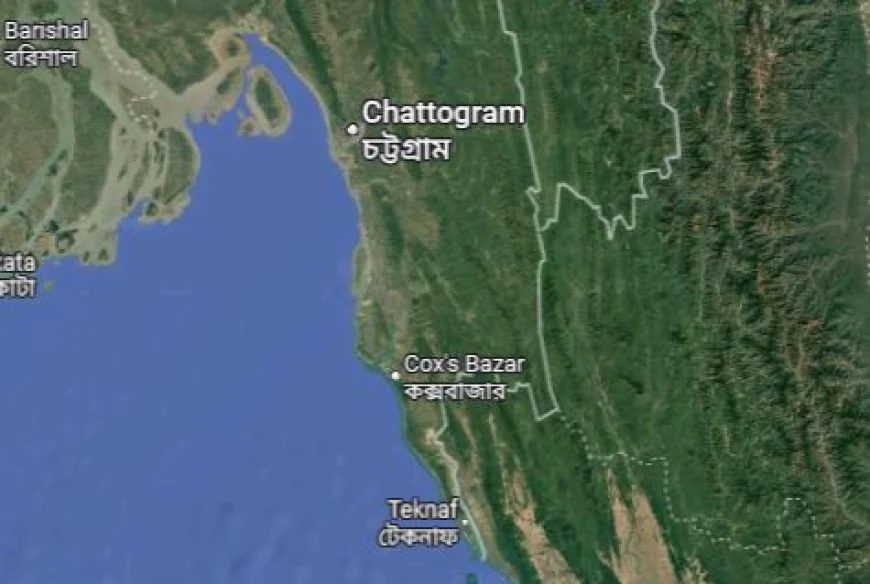
Hill communities of the Chattogram Hill Tracts (CHT) are gearing up to celebrate their traditional New Year festivals- Biju, Sangrai and Baisu as spring draws to a close and the Bengali New Year approaches. With nature renewing itself in fresh greenery, the festive spirit is spreading across the CHT, reflecting harmony, friendship and cultural unity despite differences in customs and names among ethnic groups. For the Chakma community, it is “Biju”; for the Marma, “Sangrai”; for the Tripura, “Baisu”; for the Tanchangya, “Bishu”; and for the Mro and Chak it ‘s “Changkran”. Together with the Bengali New Year, these celebrations symbolize communal harmony across the hills.
The three hill districts- Rangamati, Khagrachhari and Bandarbanare- are now bustling with preparations for the New Year celebration. Markets from Banarupa, Tabalchhari and Reserve Bazar to remote hill areas are witnessing a surge of customers. Traditional attire such as the Chakma Pinon-Hadi, Marma Thami, and Tripura Rinai-Risa are in high demand among men and women.
The people of ethnic communities are gathering fresh vegetables to prepare Pajon, a traditional dish essential to the celebrations, which combines 30 to 40 varieties of vegetables, sometimes even up to 108. Bamboo shoots, Tara Gally, hill potatoes and other local produces are collected from across the hills to prepare Pajon. Many believe that Pajon boosts immunity and promotes well-being. The festival spans three days, and preparations continue throughout the month.
April 12 marks Phool Biju and Baisu. On this day people offer prayers with flowers on riverbanks, streams and lakes as a gesture of gratitude to nature and to cleanse the past. April 13, the last day of the Bengali year, is ‘Mul Biju’, the main festival day. CHT people wear new clothes, receive blessings from elders, and households prepare Pajon. Reflecting the inclusive and hospitable culture of the hill communities, the local people invite and welcome others warmly.
April 14, Pohela Boishakh, (The first day of the Bangla New Year) is observed as a day of rest and spiritual reflection, known among the Chakma as ‘Gorjya-Porjya Din’. People, on this day, seek blessings from elders, visit temples and engage in family rituals. For the Marma community, a best part of the celebration is Sangrai, water festival or locally know as ‘Ri-long Poye’, where participants splash water on each other as a token of nonliterally wash away past sorrows, fostering unity and goodwill.
The festivities also feature folk sports and dances, including the Tripura ‘Garia Dance’ performed with masks and sticks, Chakma traditional games, and the Mro ‘Flute Dance’, adding extra colors to the celebrations. In recent years, these festivals have excelled ethnic boundaries, attracting participation from Bengali communities and tourists. Improved communication and transport have made remote hill areas more accessible to the visitors. Tourist spots such as Alutila and Sajek Valley in Khagrachhari and Nilgiri in Bandarban are seeing increased visitors eager to experience the cultural richness of the hills ahead the New Year Celebrations.
Regardless of the celebration names, the essence of Biju, Sangrai and Baisu lies in peace, unity, and the preservation of cultural heritage. The festivals call on all to live amicably avoiding disputes and overlooking cultural and communal boundaries.



 Sponsored by