
































Taiwan chip industry revenue expected to soar 40% in 2026
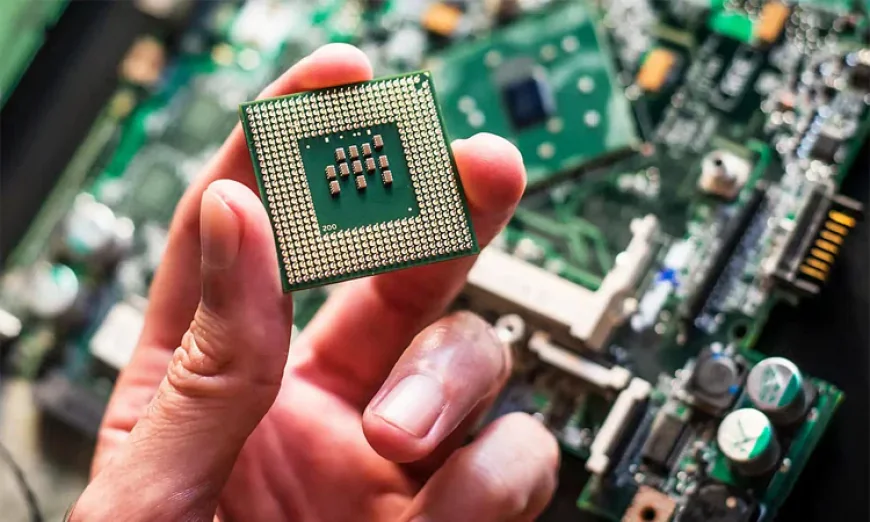
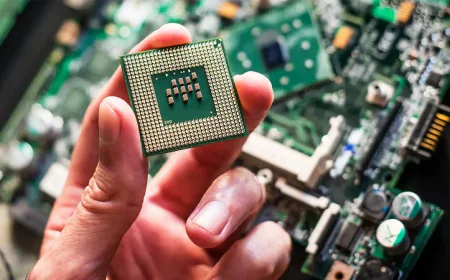
Revenue from Taiwan's semiconductor chip sector is expected to soar 40 percent this year, a top industry official said Wednesday, driven by skyrocketing demand for artificial intelligence technology.
The island is a global powerhouse in the manufacturing of chips that are used in everything from smartphones to electric vehicles, with nearly all of the most advanced ones made there.
Taiwan's dominance of the critical sector has been a source of friction with the United States, with President Donald Trump accusing it of stealing the American chip industry and pressuring Taiwanese companies to build more on US soil.
"We are in a new era of the semiconductor industry from a technology point of view," Wu Chih-i, president of the Taiwan Semiconductor Industry Association, said at the opening of the SEMICON expo in Taipei, noting AI has pushed the development of new technology.
"This year Taiwan's semiconductor industry performs even better. Our total revenue is projected to be close to US$300 billion. That's more than 40 percent growth over last year," Wu said.
However, he added that energy supply, talent and cyber security were "becoming more critical" for the industry and "no single country" could dominate the chip supply chain.
"Continuous progress will require even closer semiconductor collaboration between many countries," Wu said.
Governments and tech giants are pouring billions into building data centres that can train and run AI tools such as chatbots, image generators and agents that can execute tasks.
This has turbocharged earnings of companies such as Taiwanese chip giant TSMC and driven global stock markets to all-time highs this year.
But there are concerns over when that investment will see a return, and warnings that company valuations have gone too far.
This would be the decade of AI, said Ajit Manocha, the head of SEMI, a global industry association for chip design and manufacturing supply chain.
But Manocha noted that the world was in the "early innings" and there would be "a lot more challenges" with the technology.
"It's not going to be a straight line," Manocha told SEMICON.
"We're going to have to learn how to deal with and navigate through the new opportunities and new headwinds."