






















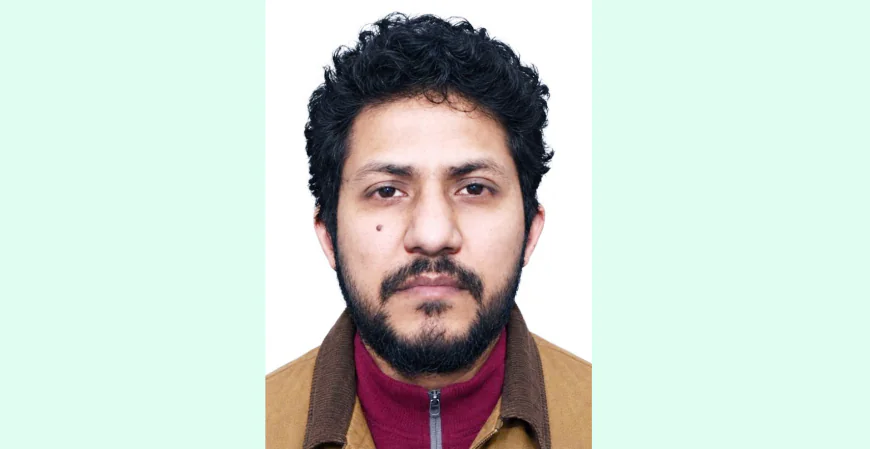
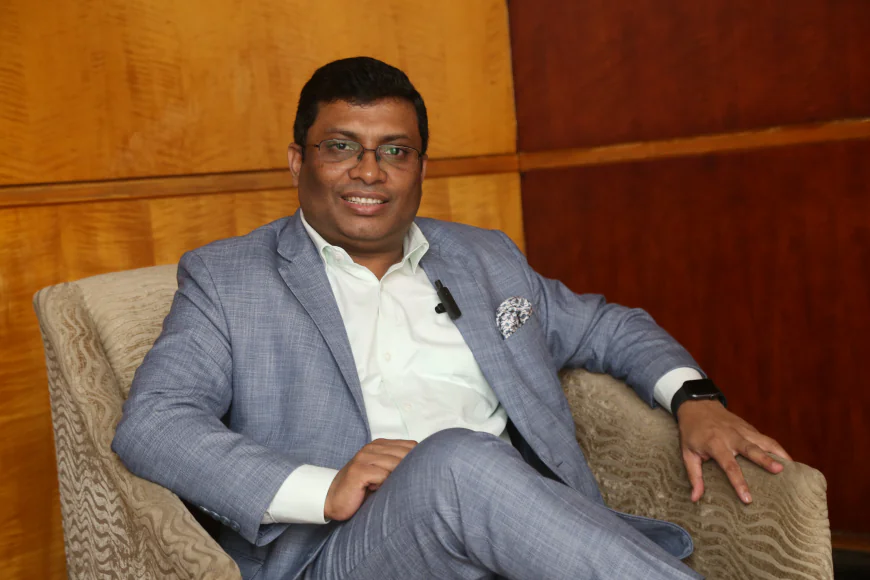





An Interview with data scientist Md Mehedi Hasan
Building Secure and Intelligent Information Systems for America
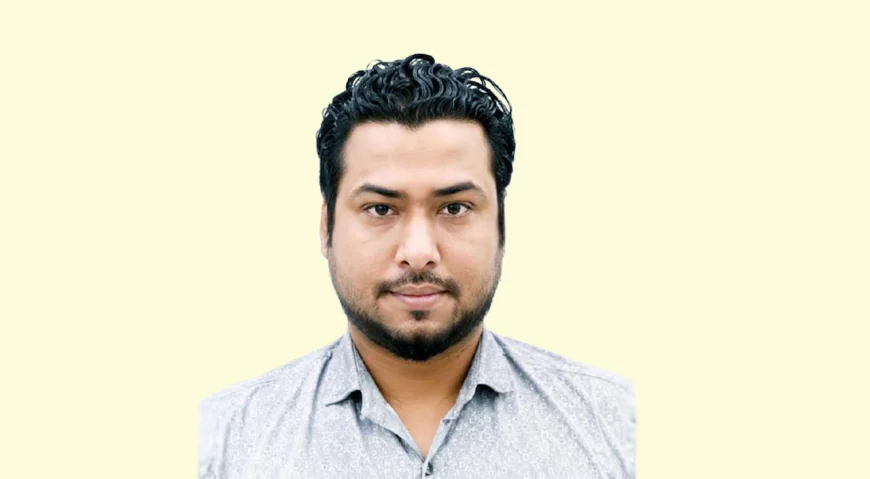
Md Mehedi Hasan is an information and data scientist focused on developing secure, AI-enabled information systems for critical U.S. sectors. With a Master of Science in Management Information Systems from Lamar University, his research applies artificial intelligence, predictive analytics, cybersecurity, data governance, and IoT technologies to strengthen healthcare, financial systems, supply chains, and public infrastructure.
Reporter: Why are secure information systems so important today?
Hasan: Modern society depends heavily on information systems. Hospitals use them to manage patient information, financial institutions process millions of digital transactions, businesses coordinate complex supply chains, and public agencies rely on data to make critical decisions. If these systems are compromised, inaccurate, or unavailable, the effects can extend far beyond one organization. My work focuses on making information systems more secure, intelligent, reliable, and capable of supporting better decisions.
Reporter: What technologies are central to your work?
Hasan: My research combines artificial intelligence, machine learning, predictive analytics, cybersecurity, data governance, advanced computing, and IoT technologies.
I am particularly interested in how these technologies can work together. AI can identify patterns and predict risks, but it also requires reliable data, privacy protection, strong cybersecurity, and responsible governance. My objective is to develop complete information-system frameworks rather than focusing only on individual algorithms.
Reporter: How can your research improve healthcare information systems?
Hasan: Healthcare organizations manage highly sensitive information. Secure systems are necessary to protect patient privacy, support interoperability, improve data exchange, and strengthen public-health preparedness.
My research examines secure health-data information systems and how technology can improve pandemic preparedness and economic continuity. I want to develop systems that allow healthcare organizations to use advanced analytics while maintaining data security, integrity, and privacy.
Reporter: Financial fraud is also a major part of your research. How can AI help?
Hasan: Digital payments are convenient, but they also create opportunities for fraud. Machine-learning systems can analyze large volumes of transaction data and identify unusual behavior faster than many traditional approaches.
One of my planned projects focuses on a secure AI-enabled framework for real-time fraud detection and financial-data integrity in U.S. digital payments. The goal is to combine detection accuracy with cybersecurity, privacy, and system reliability so financial institutions can identify suspicious transactions earlier and better protect consumers.
Reporter: How does your work relate to supply-chain resilience?
Hasan: Supply chains depend on information from suppliers, warehouses, transportation systems, inventory platforms, and other sources. A disruption can spread rapidly if organizations do not have timely visibility.
IoT monitoring and predictive analytics can help identify risks before they become major disruptions. My research focuses on developing data-driven monitoring systems that improve supply-chain and critical-infrastructure resilience through continuous information collection and predictive decision support.
Reporter: Why is data governance important in AI systems?
Hasan: AI cannot be trusted without trustworthy data. Organizations must know where their data comes from, who can access it, whether it is accurate, and how it is protected.
This is especially important in healthcare, financial services, and critical infrastructure. My work therefore combines AI with data governance, privacy, cybersecurity, and system integrity to support responsible and reliable technology.
Reporter: How can predictive analytics support disaster preparedness?
Hasan: During disasters, decision-makers need accurate and timely information. Predictive analytics can combine data from multiple sources, identify developing risks, estimate potential impacts, and support faster resource allocation.
My research explores AI-enabled information systems for predictive disaster-risk management and economic-loss mitigation. Better information can help organizations prepare earlier and respond more effectively.
Reporter: Why is your endeavor important to the United States?
Hasan: The areas I work on affect the broader U.S. economy and public welfare. Healthcare requires secure data, digital commerce requires trustworthy financial systems, businesses need resilient supply chains, and communities depend on reliable infrastructure and effective disaster response.
Improving these systems can support economic stability, cybersecurity, public safety, technological competitiveness, and national resilience. The benefits are not limited to one employer or industry.
Reporter: What is your long-term objective?
Hasan: My long-term goal is to continue developing secure, AI-enabled information systems and predictive-analytics frameworks for important U.S. sectors. I plan to continue publishing research, collaborating with researchers and industry professionals, and developing practical methods that organizations can apply.
Ultimately, I want my work to contribute to information systems that are more secure, intelligent, trustworthy, and resilient.
Brief Bio
Md Mehedi Hasan is an information and data scientist with a Master of Science in Management Information Systems from Lamar University. His research focuses on secure information systems, artificial intelligence, predictive analytics, healthcare data security, financial fraud detection, supply-chain analytics, IoT monitoring, data governance, and critical-infrastructure resilience. Email: mehedihasancs7@gmail.com
 Sponsored by