












Azharul Islam Sheikh explores freedom through colour and texture
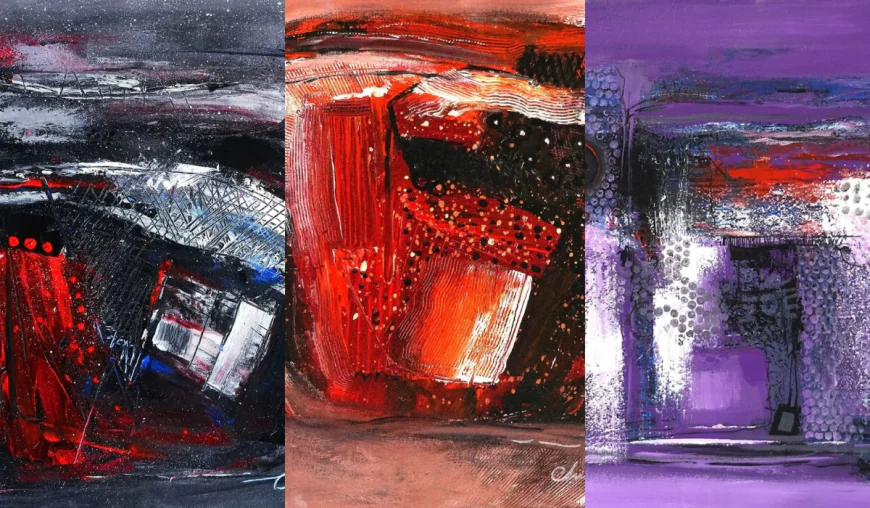
More than 50 acrylic and mixed-media paintings exploring the memory and emotions of Bangladesh’s struggle for freedom are on display at Zainul Gallery in Dhaka.
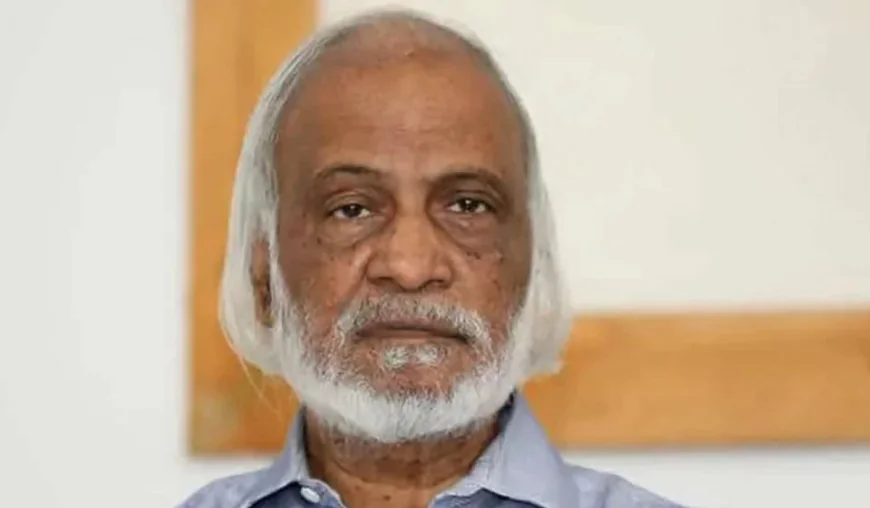
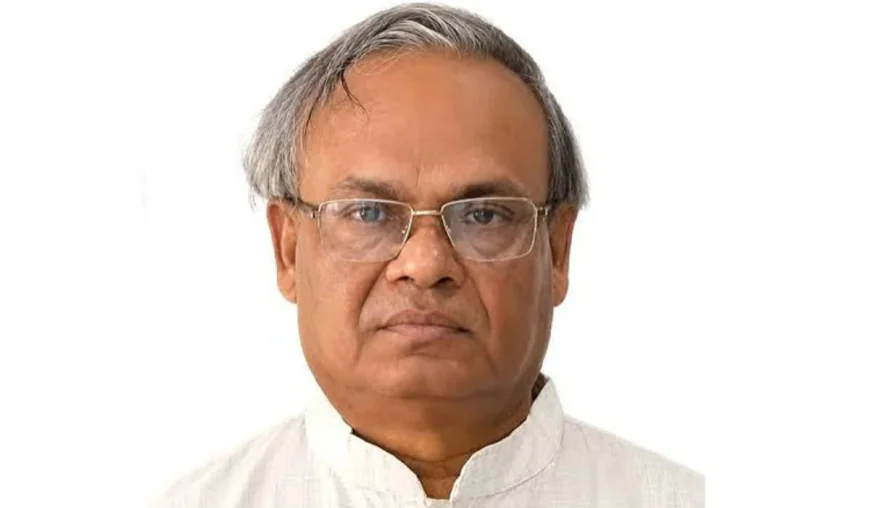
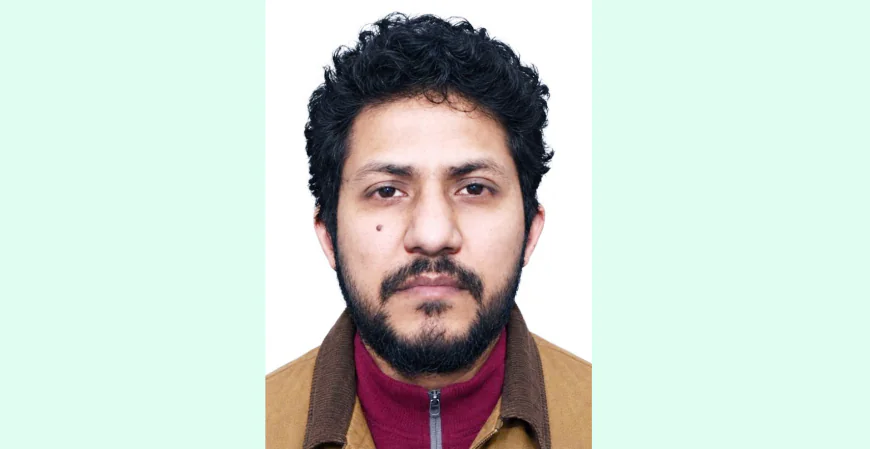
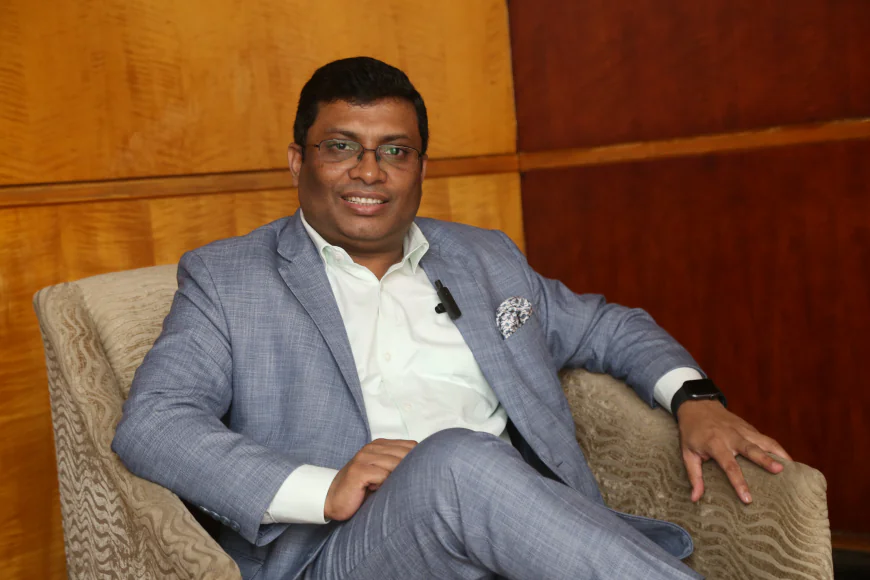
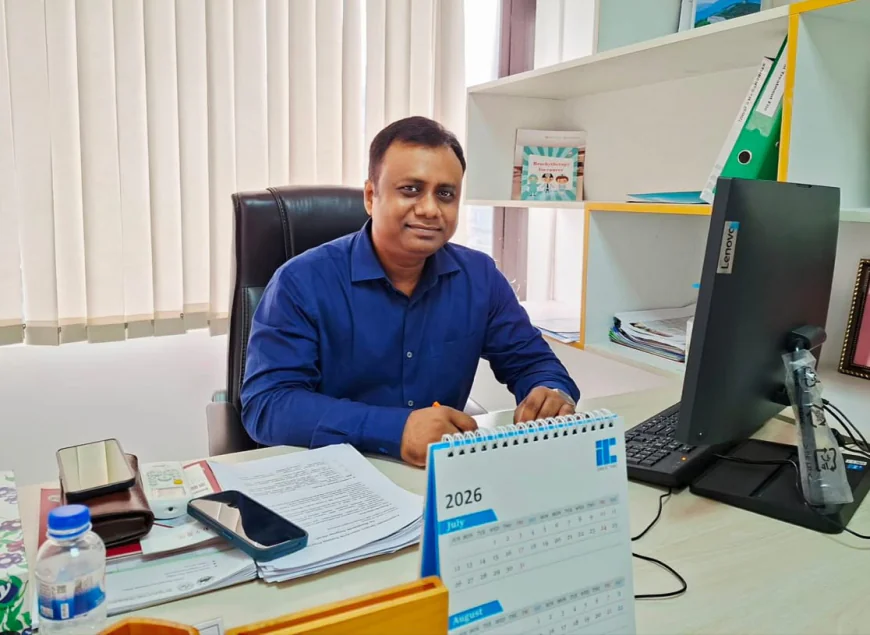
Titled “Muktir Sangrame Anubhaber Boibhaav” (The Richness of Feeling in the Struggle for Freedom), the solo exhibition features works by Dr Md Azharul Islam Sheikh Chanchal, Dean of the Faculty of Fine Art at Dhaka University and Chairman of its Department of Ceramics.
Professor Dr Abdus Salam, Pro-Vice Chancellor (Academic) of Dhaka University, inaugurated the exhibition on Thursday as the chief guest. Dhaka University Proctor Professor Israfil Ratan, Honourary Professor Mostafizul Haque, Chairman of the Board of Trustees at Shanto-Mariam University of Creative Technology, Professor Reza Asad Al Huda Anupam, Professor Kaoser Hassan Togore and Chhatra Dal president Rakibul Islam Rakib were also present.
The exhibition focuses on memory, sacrifice, freedom and the experiences of a people. Chanchal uses layered paint, scratches, textures and partly buried words to create surfaces that resemble old walls weathered by time and monsoon rains.
According to the artist, the works are not literal representations of historical events. In his artist’s statement, he says his paintings are about the rebirth of the feeling within an event. He sees freedom as more than political liberation. For him, it also means dignity, rights, justice and the desire to free oneself.
He uses colour to express the warmth of feeling and texture to represent the friction of experience. One of the key works in the exhibition is “Sacrifice”. Lines from the national anthem and patriotic songs appear along its borders. Pale figures emerge from a dark background, representing martyrs from different periods. Red appears across the darker surface, creating an image of pain and sacrifice.
Another work, “Vanguard of Civilization”, features a commanding face surrounded by a crowd of unnamed figures. The work presents the central figure as part of the larger collective rather than as a separate leader.
The exhibition also reflects Chanchal’s preference for abstraction. The open-ended forms allow viewers to interpret the works through their own memories and experiences. However, the large number of paintings and the repeated use of scratched surfaces, buried text and dissolving figures can sometimes make the exhibition feel visually heavy. Some of the written elements appear decorative rather than integral to the paintings. A more selective display could have allowed the strongest works to stand out further.
Chanchal’s approach is rooted in a long career in art. More than 800 of his large-scale works, including terracotta plaques, mosaics and murals, are displayed in institutions, museums and public spaces in Bangladesh and abroad. His works have also travelled to countries including China, Japan, Italy, Germany and the Netherlands.
In 2025, he received a special honour at a Belt and Road ceramic art exhibition organised by the UNESCO Chair on Ceramic Culture at Jingdezhen University in China.
Chanchal has also worked to preserve and promote cultural heritage. In 1995, he led teachers and students of the Faculty of Fine Art in reviving jatra, the traditional folk theatre of Bengal. He later established the troupe Alor Moncho (Stage of Light).
For Chanchal, heritage and conscience remain closely connected. “My canvas gives no final answer,” he says. Instead, he invites viewers to approach his works with “their own memories, questions, feelings and longing for freedom”.
The exhibition will continue at Zainul Gallery until October 7.



 Sponsored by