





























Rizvi Urges Enhanced Cybersecurity Measures to Safeguard National Interests
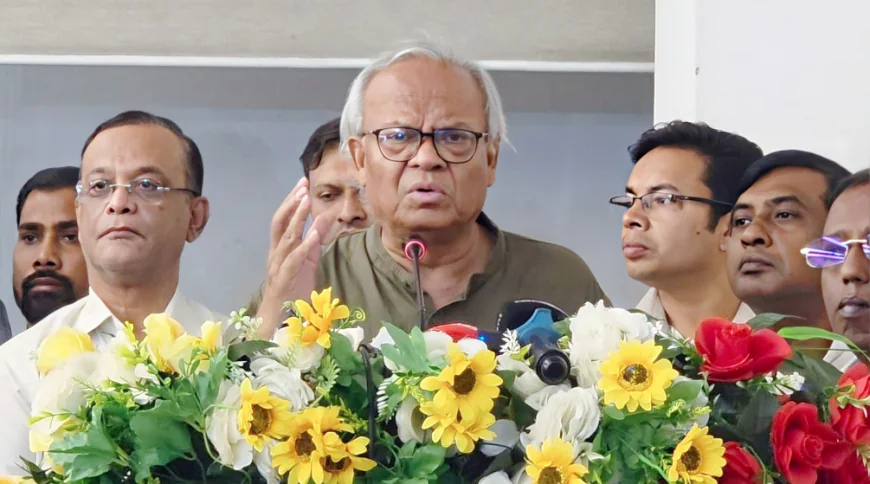
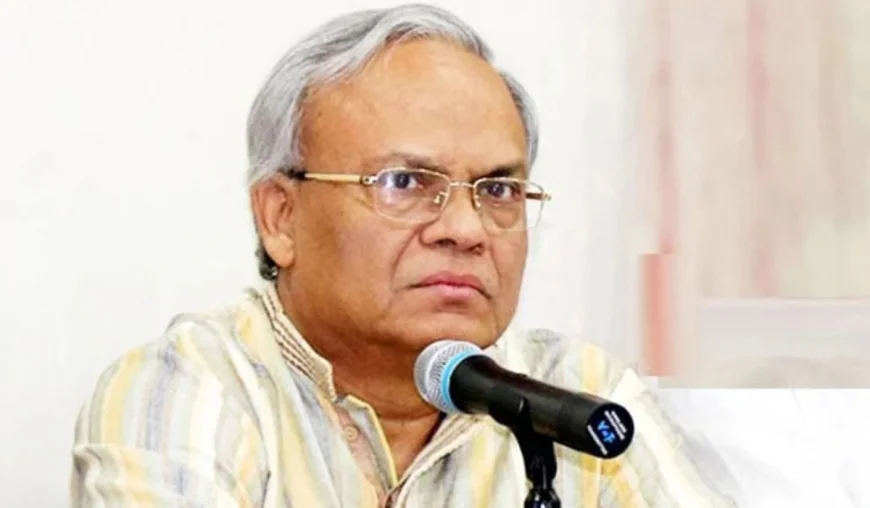
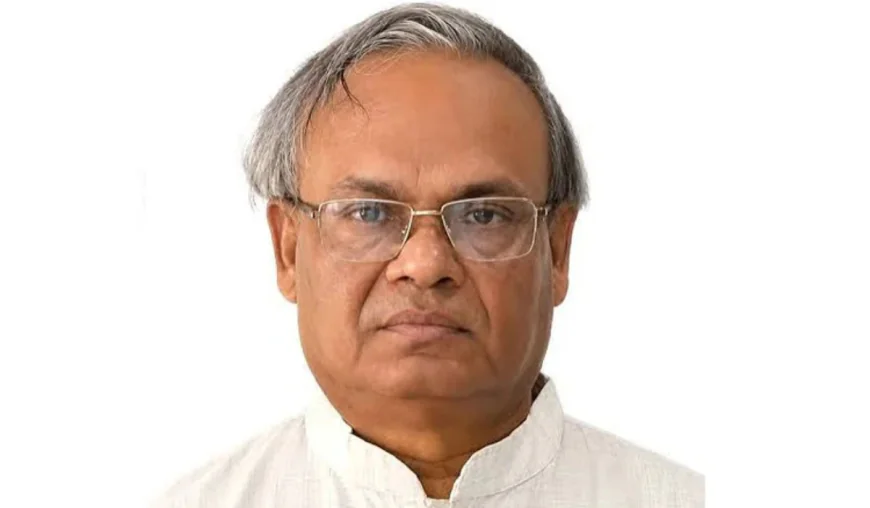
BNP Acting Secretary General Ruhul Kabir Rizvi today called for strengthening the country's cyber security capabilities, enacting effective laws and utilizing skilled human resources to safeguard national security and sovereignty.
He said the transfer of citizens' personal information, National Identity (NID) data and sensitive state information into the hands of foreign countries was not merely a breach of individual privacy but also a serious threat to national security.
"Protecting personal data is directly linked to national security. Any compromise of such information, particularly NID data, could have serious implications for the country's defence and sovereignty," he observed.
Rizvi was addressing a seminar titled "National Security in the Technological Revolution: Bangladesh's Preparedness and Actions for Cyber Security" as the chief guest at the Institution of Engineers, Bangladesh (IEB) in the capital. The Nationalist ICT Forum (NICTF) organized the seminar.
Expressing concern over the hacking of Bangladeshi citizens' personal information, including NID data, and its alleged transfer to a neighbouring country, he said such incidents could have been prevented through adequate legal safeguards and stronger technological capabilities.
He said that the potential consequences of sensitive national data falling into the hands of another country must be viewed with utmost seriousness, particularly in terms of defence and national security.
Highlighting the need to develop indigenous expertise, Rizvi said Bangladesh had numerous universities producing graduates in relevant disciplines, while many talented Bangladeshis were also working abroad.
It was the responsibility of the state to bring these skilled professionals together and utilize their knowledge and expertise to strengthen the country's cyber security capacity, he added.
Rizvi also emphasized that technological advancement must go hand in hand with ethical standards, accountability and effective oversight.
Technology, he said, was meant to improve human life, but its misuse could pose serious risks to individuals, society and the state.
Expressing concern over violations of personal privacy through digital platforms, he said that even communications considered secure were not always beyond the risk of exposure.
He said that no individual or institution had the right to intrude into people's private conversations, personal feelings and communications with their loved ones, describing such violations as an infringement of fundamental human rights.
The BNP leader said that while technological progress had brought the world closer, its misuse was increasingly threatening the moral and personal dimensions of human life. Ensuring the responsible use of technology through appropriate regulation was therefore essential.
Referring to the importance of legal measures against cybercrime, Rizvi said he had studied cyber law while preparing for his LLM examinations around 2022 after completing his LLB degree.
His studies had given him an understanding of different forms of cybercrime and the penalties associated with them, he said, adding that the country needed further discussion and appropriate legislation to effectively address emerging cyber threats.
Warning against the consequences of unregulated technological advancement, he said cyberbullying, cyber warfare and other digital threats could undermine both state security and social stability.
He underscored the importance of protecting the country's territorial integrity, national security and sovereignty from such emerging threats.
Rizvi also urged the seminar organizers to take the discussions beyond the event by compiling the participants' recommendations into a comprehensive set of proceedings and forwarding them to the Prime Minister and relevant policymakers.
He said he would be willing to help place the recommendations before the appropriate authorities if they were shared with him, adding that such proposals could contribute significantly to protecting the country's national security, sovereignty and independence.
Rizvi appreciated the organizers for arranging the seminar, saying the initiative reflected their sense of national responsibility and patriotism. He praised their collective efforts to contribute to the welfare of the country and its people despite their diverse professional backgrounds.
The seminar was presided over by Nationalist ICT Forum President Engineer Rafel Kabir.
Engineer Shahrin Islam Tuhin, Convener of the Association of Engineers, Bangladesh (AEB), and A.K.M. Wahiduzzaman, Deputy Permanent Representative of Bangladesh to the United Nations, attended as special guests.
Engineer Rupam Razzak, a member of the Board of Directors of Bangladesh Sangbad Sangstha (BSS) and Vice-President of the ICT Forum, also addressed the seminar.
Md. Mizanur Rahman Moon, Office Secretary of the Nationalist ICT Forum, presented the keynote paper.
Among others, Nationalist ICT Forum Adviser Maruf Mallick, its General Secretary Engineer Md. Mamun-or-Rashid, and a number of prominent technologists, engineers and cyber security experts from across the country attended the seminar.



 Sponsored by