






























Conducted by the Cybersecurity & Technology Desk
Integrating AI-Driven Risk Analytics and GRC to Strengthen Cybersecurity Resilience
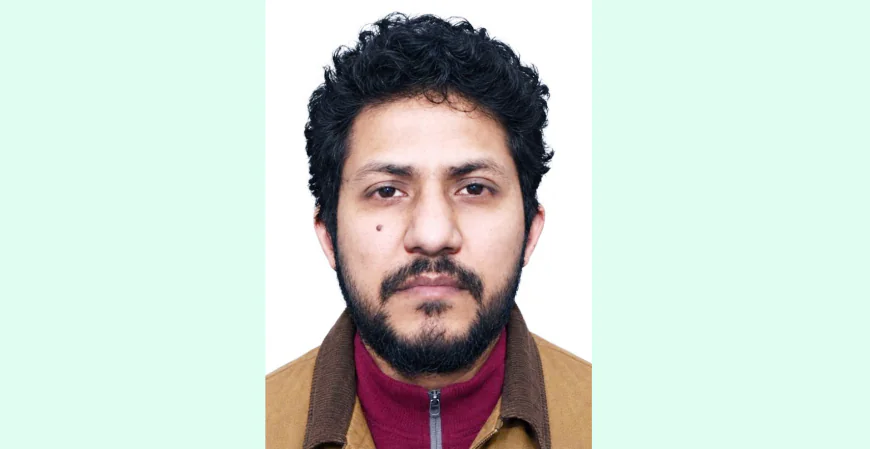
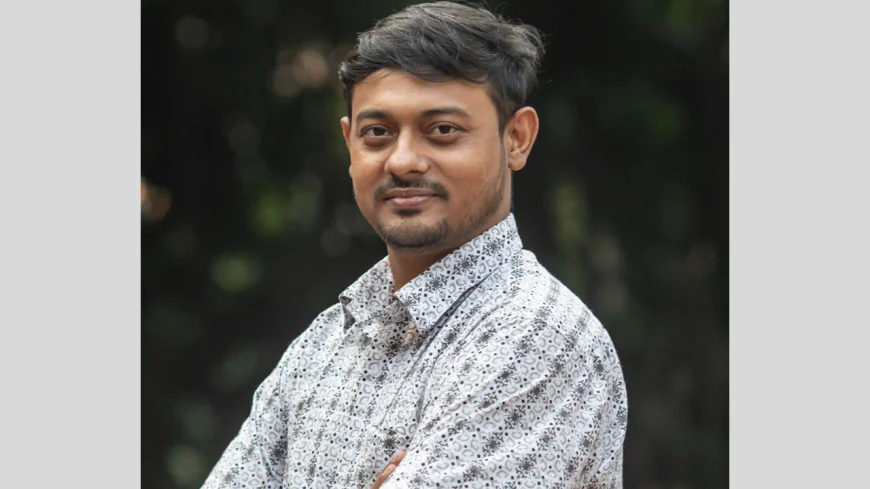
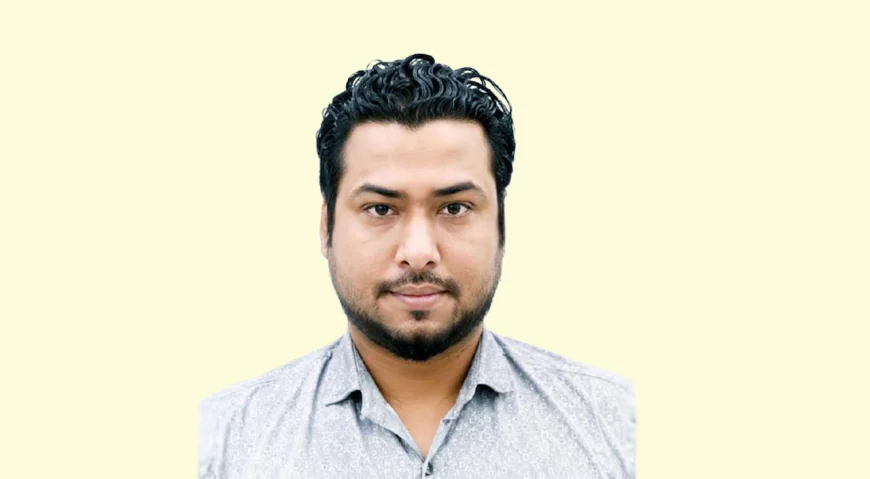
Md Omar Faruq is a U.S.-based Governance, Risk, and Compliance (GRC) analyst and applied cybersecurity researcher whose work connects artificial intelligence, machine learning, regulatory compliance, cloud governance, vendor risk, and security controls. He earned an M.S. in Cybersecurity from Webster University in 2024, an LL.M. in International and European Union Law from Uppsala University, and an LL.B. from Prime University. His professional work includes cybersecurity policy, risk assessment, audit support, third-party compliance, and frameworks including NIST, ISO 27001, FedRAMP, HIPAA, GDPR, and SOC 2. His current research profile records 235 citations, an h-index of 7, and an i10-index of 7.
Q. What is the central idea connecting your cybersecurity research and professional work?
A. My central interest is how organizations can combine technical risk detection with effective governance. Cybersecurity is not only about identifying attacks; it also involves understanding risk, assigning responsibility, documenting controls, and meeting regulatory obligations. My research connects machine learning and AI-based detection with GRC frameworks so technical findings can be translated into practical, auditable security decisions.
Q. Your most-cited research examines machine-learning-enhanced statistical inference for cyberattack detection. Why is AI important in this area?
A. Modern networks generate large volumes of security data, and manual review alone cannot always identify meaningful patterns quickly enough. Machine learning can help detect suspicious behavior across complex datasets. But predictive performance is only part of the problem. In applied cybersecurity, a detection must also support investigation, escalation, and control decisions. My work therefore emphasizes combining data-driven detection with structured risk management.
Q. You have also studied the alignment of FedRAMP and NIST frameworks in cloud-based governance. What challenge does this address?
A. Cloud environments may involve multiple platforms, vendors, and overlapping control requirements. FedRAMP and NIST provide strong structures, but organizations still need consistent mapping of controls, responsibilities, evidence, and monitoring. My research examines how governance models can reduce fragmentation and make security controls operational. The objective is continuous, evidence-based compliance rather than documentation prepared only for an audit.
Q. Vendor risk management is another recurring theme in your work. Why has third-party risk become so important?
A. Organizations increasingly depend on external technology providers, cloud services, and software vendors. Each relationship can introduce risks that are not controlled directly by the organization. Effective third-party risk management therefore requires continuous evaluation of evidence, security performance, and control gaps. My research on vendor risk and GRC integration reflects the need for risk-based oversight rather than one-time compliance checks.
Q. How can AI strengthen cybersecurity compliance without turning compliance into a purely automated process?
A. AI can help prioritize alerts, identify unusual patterns, compare control evidence, and highlight areas where risk may be increasing. It can also support continuous monitoring across large amounts of security and compliance data. However, human judgment remains essential because frameworks require context: whether evidence is sufficient, which risks are acceptable, and how remediation should be prioritized. I see AI as decision support, not a replacement for professional accountability.
Q. Your background combines cybersecurity and law. How does that interdisciplinary perspective affect your approach to GRC?
A. The legal and cybersecurity perspectives complement each other. Technical teams focus on vulnerabilities, threats, and controls, while legal and compliance teams focus on obligations, privacy, accountability, and evidence. GRC connects those areas. My legal education supports regulatory interpretation, while cybersecurity training helps me understand the technical environment in which those obligations operate. This is especially useful in privacy, cloud governance, and third-party risk.
Q. What direction would you like your future applied research to take?
A. I would like to continue research around AI-assisted cyber-risk detection, continuous compliance monitoring, cloud governance, third-party risk, and NIST-based controls within enterprise GRC systems. I am particularly interested in connecting technical telemetry with governance evidence so organizations can identify emerging risks earlier and explain why decisions were made. My broader goal is cybersecurity that is more predictive, measurable, resilient, transparent, and accountable.
BIO
Md Omar Faruq is a U.S.-based GRC analyst and applied cybersecurity researcher. He holds an M.S. in Cybersecurity from Webster University, an LL.M. in International and European Union Law from Uppsala University, and an LL.B. from Prime University. His work focuses on AI-driven cyber-risk detection, NIST and FedRAMP governance, third-party risk, cybersecurity compliance, and enterprise GRC. His current research profile shows 235 citations, an h-index of 7, and an i10-index of 7.
 Sponsored by