





Shafiqur urges media professionals to perform duties with patriotism
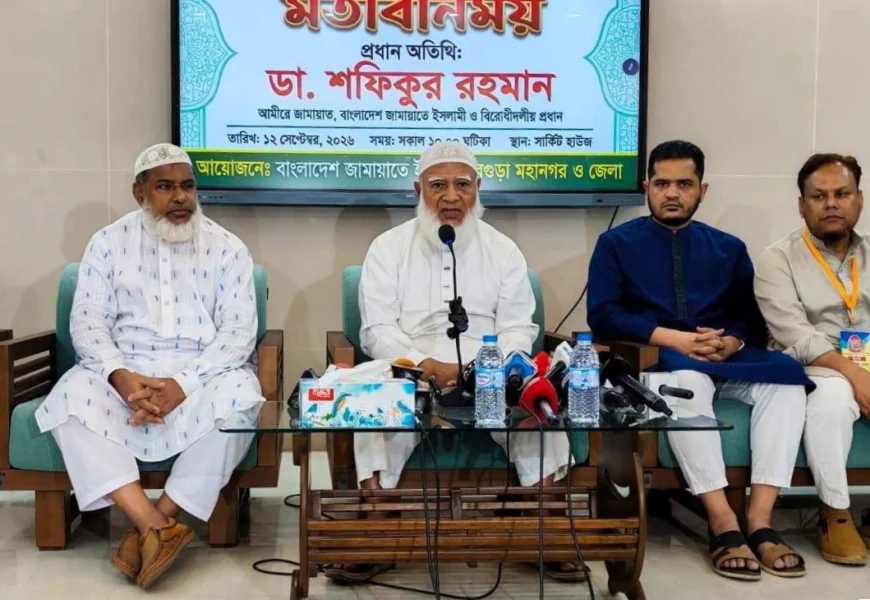
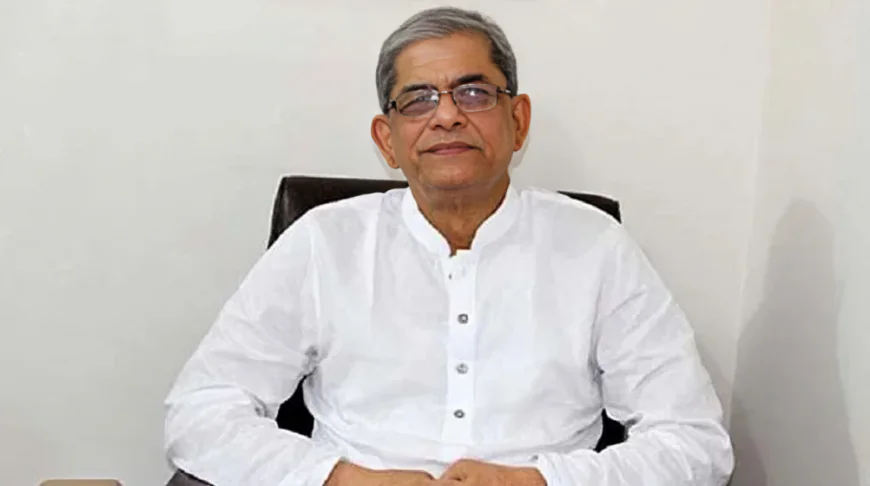
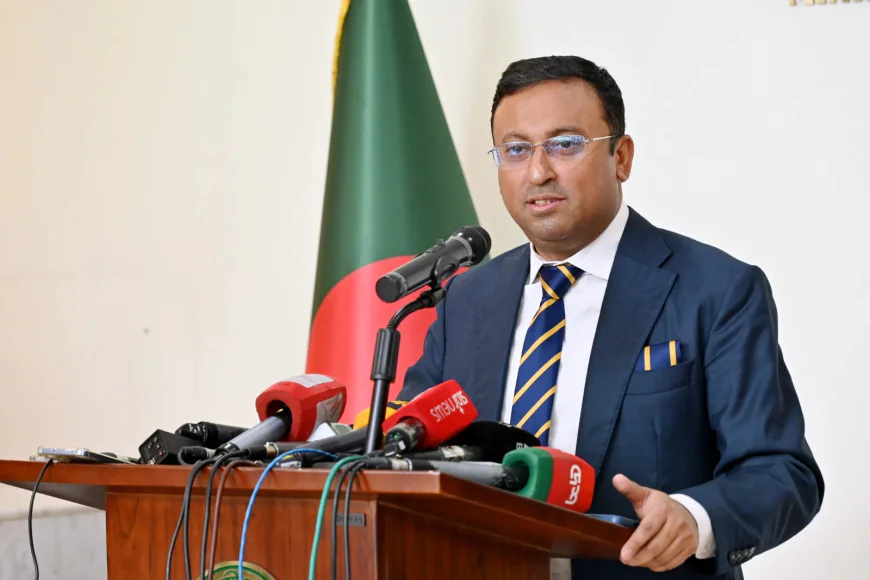
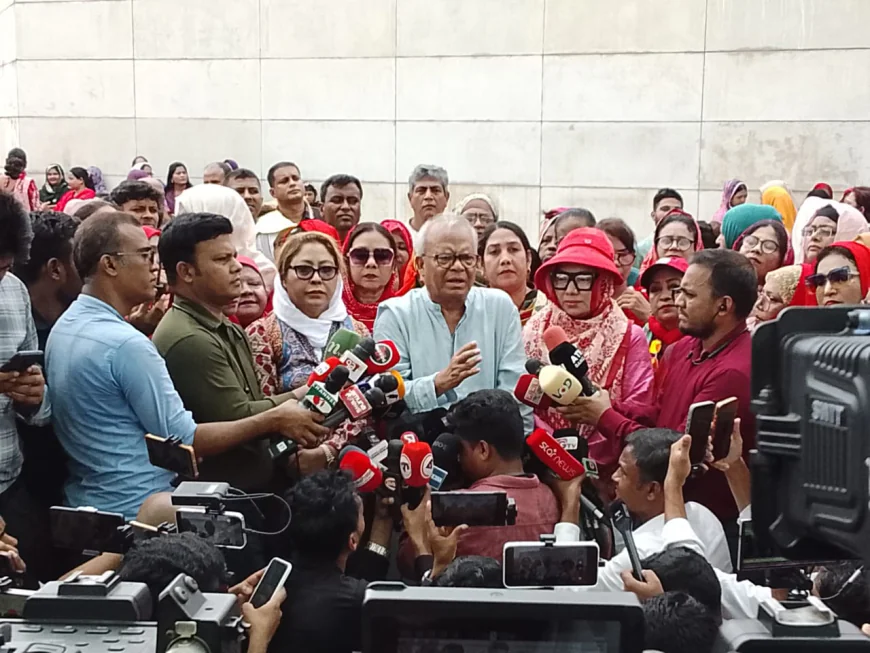
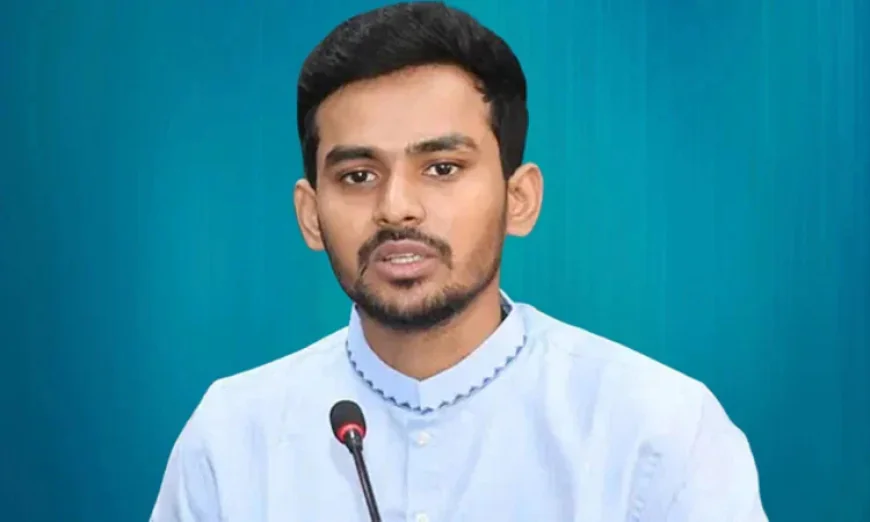
Bangladesh Jamaat-e-Islami Chief and Leader of the Opposition Shafiqur Rahman has urged media professionals to perform their duties out of patriotism, saying the media is the "most powerful of the four pillars of the state".
“Sometimes one or two people do things a little out of line. Forget those. Our statements are sometimes twisted. Either the head is cut off, or the legs are cut off, or the stomach is removed from the middle. The entire meaning of the statement changes,” he said.
“We do not want to believe that the journalist friend who did this has done so without understanding anything. Perhaps he has a specific purpose. Even then, you will see that we are respectful of the media. We never speak in a way that attacks the media,” he added.
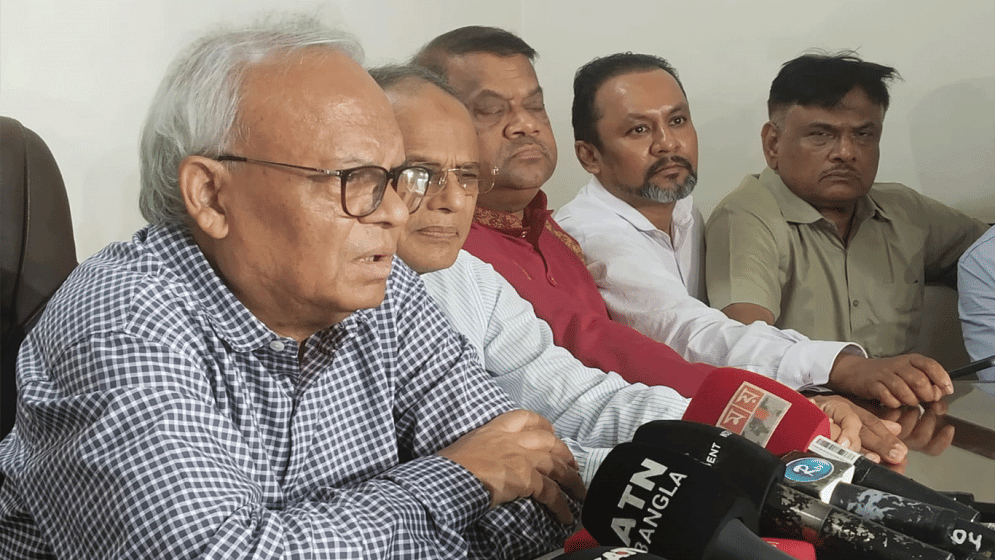
The Jamaat ameer made the remarks at an exchange of views with media professionals organised by the Bogura city and district units of Bangladesh Jamaat-e-Islami at Bogura Circuit House this morning.
Shafiqur said three institutions -- the legislative, judiciary and executive -- are recognised by the Constitution, while the media, though not constitutionally recognised as a fourth pillar, is the most powerful.
“If it remains strong, transparent and honest, the other three are compelled to remain alert and function accordingly. And if there is any compromise or deviation in this area, the entire nation will deviate,” he said.
Calling for a country where citizens can enjoy security, freedom and the dignity of being Bangladeshi, he said, “Since Bangladesh gained independence, we have passed 55 years. For a nation, this is by no means a short period.”
On the ongoing programmes of the 11-party alliance, Shafiqur said the government should have found alternatives to the supply-chain disruptions caused by the war in the Middle East.
“Six months have passed one after another. This is not a short period in the history of a nation. Certainly, our government should have found alternatives within this period,” he said.
He said the opposition had repeatedly offered to cooperate with the government, but it showed no interest and instead denied the crisis.
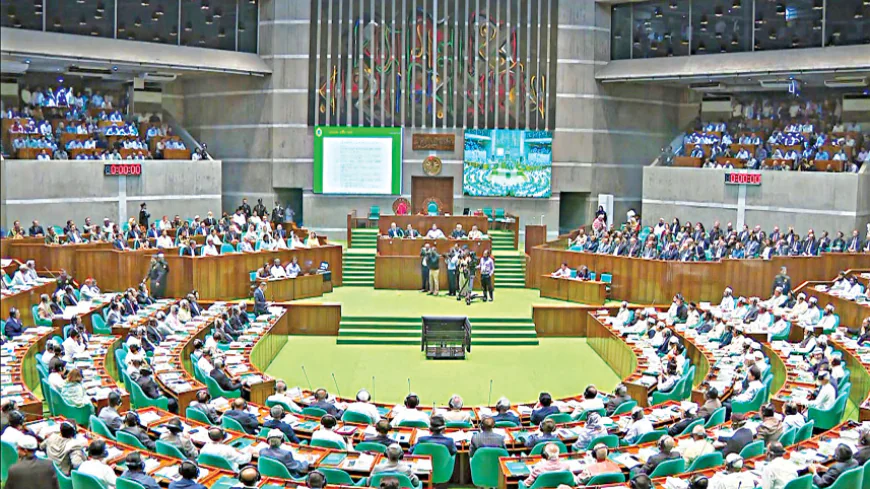
“We were compelled to launch the movement when we saw that we could not do anything inside parliament. We are fighting with six demands: implementation of the referendum verdict; removal of discrimination; stopping reckless politicisation; cracking down on extortion and corruption; controlling the prices of essentials; and ensuring the supply of fertiliser to farmers. We have already entered the second phase of the movement and started the long march,” he said.
Responding to criticism of the long march amid the fuel crisis, he said, “Now the government is also saying there is an oil crisis, initially it did not acknowledge it. Even if we had not taken these vehicles, would their owners have kept them parked? These vehicles would have run for their own needs.”
“We could have set out with several thousand vehicles. We did not do that. We set out with a symbolic convoy,” he added.
Shafiqur said the opposition’s primary responsibility was to safeguard the rights of the people.
He also urged the government to focus on Bogura’s development.
“Bogura is called the navel of North Bengal. There are seven connecting roads in seven directions, which is why it is called Saat Matha. The entire North Bengal is connected from here,” he said.
“Before independence, it was a mini-industrial city and an education hub. Fifty-five years after independence, there is hardly any industry left. Although other places have advanced in education, there has been no major development here apart from the establishment of a single medical college,” he added.
 Sponsored by