

























France and Germany clash over the EU’s long-term budget
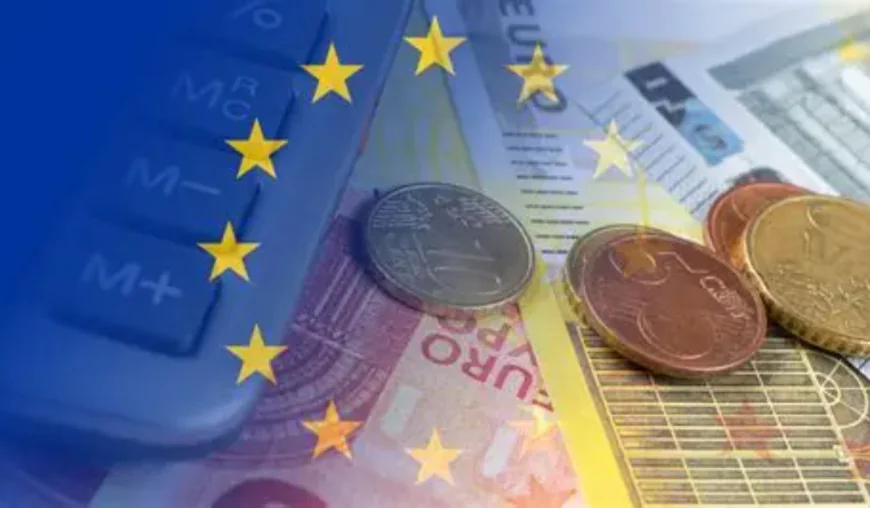
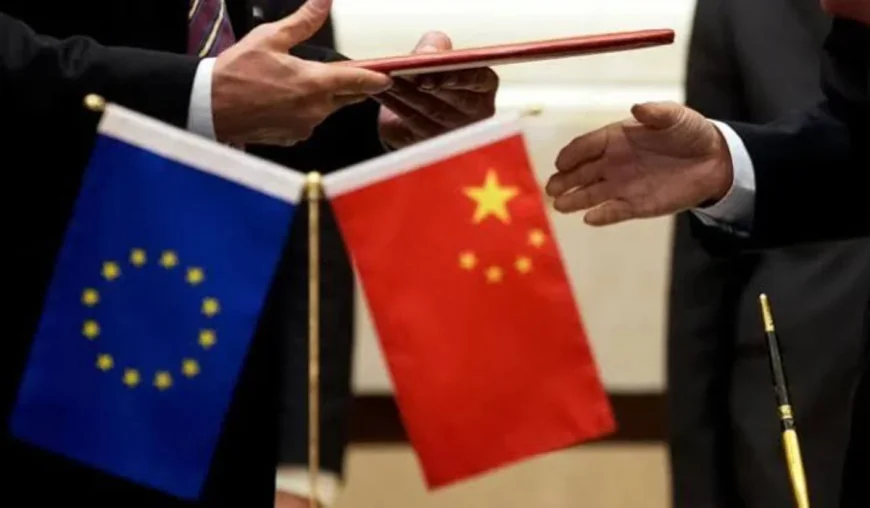
Daggers have been drawn over the European Union's next seven-year budget, with Germany and France at loggerheads over whether Brussels should make deep cuts in a battle increasingly expected to overshoot the end of the year.
The EU wants a deal by Christmas, fearing that any delay would push talks into a fraught election year with worries about what eurosceptic victories in France and elsewhere would mean for future dealmaking.
That is a far from easy task after the European Commission proposed a 2028-2034 budget worth nearly two trillion euros. The 2021-2027 budget was worth around 1.2 trillion euros.
Europe is deeply divided. Germany leads a pack with Austria, Denmark, Finland, the Netherlands and Sweden, which want cuts of several hundred billion euros.
But France, the second-biggest European economy and a net contributor to the budget, argues the continent needs sufficient means to match the rising challenges the 27-country bloc faces.
French President Emmanuel Macron has hit out at demands for massive cuts.
"We need an ambitious European budget," he said last month. "We must defend a much stronger European budget" to support EU priorities, including defence.
Ireland, which currently holds the rotating EU presidency, will unveil a revised budget proposal on Saturday that it hopes will bridge the yawning gap between the sides.
The warnings from European officials are stark, however: it is unavoidable that there will be blood on the floor at the end of the painful negotiations.
But the risk of missing the December deadline now looms larger than ever, especially after Spain called a snap election for next month.
- 'Shared sense of urgency' -
A senior European diplomat dismissed speculation before Saturday's text.
The EU knows "there is a shared sense of urgency around the need to do this", the diplomat said, adding: "I don't think it's particularly fruitful discussion at this stage to start talking about alternatives."
In absolute terms, the EU does not need to agree the budget this year, as the final legal deadline is the end of 2027.
Saturday's proposal will set the stage for a fist fight between EU leaders meeting in Brussels over two days next week.
The battle won't just be over whether to cut since a third side has its own demands.
Seventeen countries from southern, central and eastern Europe have formed a group known as the "Friends of Cohesion", seeking greater funding to support agriculture and regional development.
The main gripe for the frugals is the proposed budget represents an increase of around 60 percent at a time when member states have to tighten their belts.
But a French presidency official argued money was needed for farmers and to strengthen the European economy to help businesses compete with US and Chinese rivals.
"The super-frugals want sweeping cuts and insist on retaining their rebates, effectively weakening the budget," the official said.
Germany and the five other so-called "frugal" EU members in August lashed out at a high bloc budget at a time of "painful fiscal consolidation" -- with Chancellor Friedrich Merz politically weakened by the electoral rise of the far-right AfD party.
- Collecting tax money -
France is struggling with its own budget woes -- and far-right leader Marine Le Pen has backed slashing the French contribution to the EU budget as one way to rein in the country's debt.
The answer, according to the European Commission? New sources of revenue, rather than larger contributions from member states.
Brussels has put forward plans for a tax on large companies, a levy on electronic waste, and higher tobacco taxes. The European Parliament wants to go further with taxes on digital giants and online gambling.
It remains to be seen whether Ireland will add more ideas for revenue sources, since many nations dislike the tax on big companies and oppose a digital levy.




 Sponsored by