




























UN Warns War Could Push 32 Million into Poverty
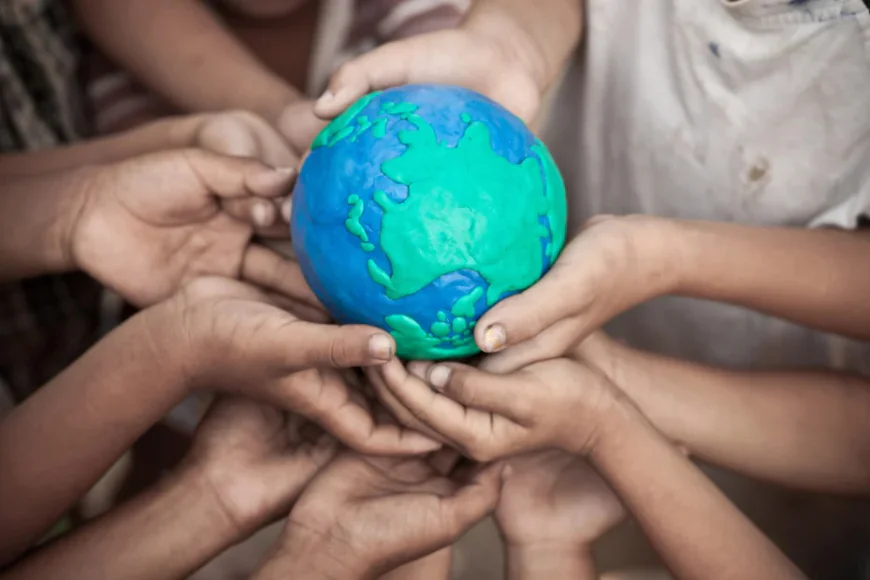

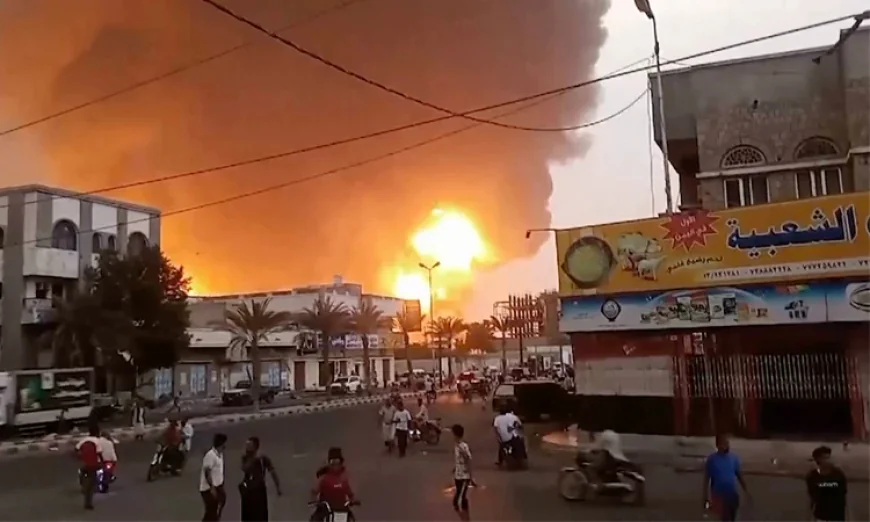
The United Nations has issued a grave warning that escalating global conflicts, particularly in the Middle East, could push more than 32 million people into poverty unless urgent and coordinated international action is taken. The alert reflects growing concern within the global community that economic shocks triggered by war are beginning to reverse years of development progress, especially in vulnerable and low-income countries.
According to the United Nations Development Programme (UNDP), the world is currently facing a complex and interconnected economic crisis driven by rising energy prices, disruptions in global food supply chains, and slowing economic growth. These combined pressures have created what experts describe as a “triple shock,” affecting both developed and developing economies, though the latter are expected to bear the brunt of the impact.
The UNDP has proposed an emergency financial package of approximately six billion dollars, which it believes could prevent millions from slipping into extreme poverty. The proposed intervention would focus on targeted financial assistance, including direct cash transfers and temporary subsidies aimed at the most vulnerable populations. Officials emphasize that such measures are not only necessary for humanitarian reasons but also critical to maintaining economic stability in fragile regions.
Speaking on the issue, senior UN officials stressed that the consequences of war extend far beyond immediate destruction, often leaving long-lasting scars on national economies. As conflicts disrupt trade routes and drive up the cost of essential commodities such as fuel and fertilizer, countries across Asia, Africa, and small island nations are already experiencing severe economic strain. Inflationary pressures are mounting, household incomes are shrinking, and food security is increasingly under threat.
The situation is further complicated by the fact that many developing nations are still recovering from the economic fallout of the COVID-19 pandemic. Limited fiscal space and rising debt burdens have reduced their ability to respond effectively to new crises. In this context, the UN’s call for targeted and efficient financial support becomes even more urgent, as traditional broad-based subsidies may prove unsustainable and less effective.
Another important aspect highlighted in the UN’s assessment is the growing role of digital financial systems in delivering aid. The expansion of mobile banking and digital payment platforms has made it possible for governments to reach affected populations more quickly and transparently. This shift not only improves the efficiency of aid distribution but also reduces the risk of mismanagement and corruption, which have historically hindered relief efforts in many regions.
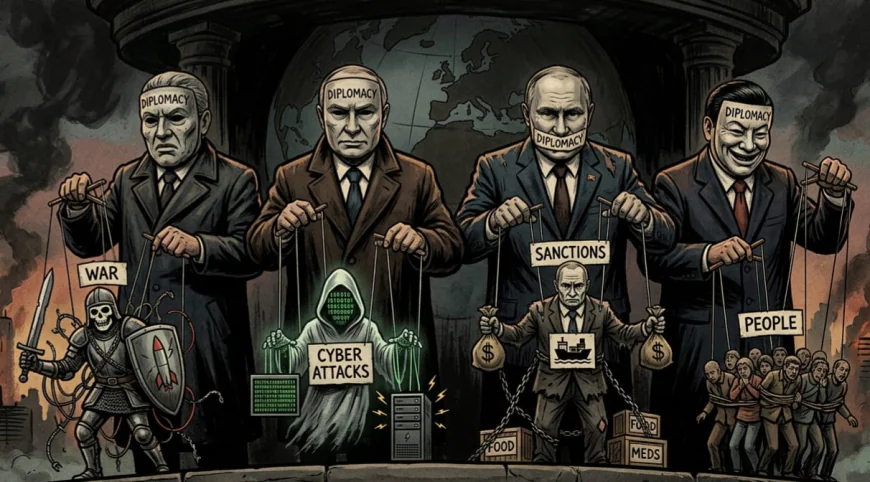
Despite the proposed economic measures, the United Nations has underscored that the most effective solution remains the resolution of ongoing conflicts. Without peace and stability, economic interventions can only provide temporary relief. The organization has therefore called on the international community to intensify diplomatic efforts aimed at de-escalation and conflict resolution, while simultaneously ensuring that immediate humanitarian and economic needs are met.
The warning also comes at a time when global inequality is widening, with poorer nations facing disproportionate challenges in coping with external shocks. The UN cautions that failure to act decisively could not only push millions into poverty but also deepen existing inequalities, potentially leading to long-term social and political instability.
In conclusion, the United Nations’ latest assessment presents a sobering picture of the global economic landscape, where conflict and economic vulnerability are increasingly intertwined. The proposed six billion dollar intervention is being framed as a necessary and timely step to safeguard millions of lives and livelihoods. However, the success of such efforts will depend largely on the willingness of the international community to act collectively and decisively in addressing both the immediate crisis and its underlying causes.



 Sponsored by