
































ADB expects Bangladesh’s remittance inflow to remain resilient

Remittance inflows are expected to remain resilient to Bangladesh despite ongoing tensions in the Middle East.
Strong remittances and higher foreign exchange reserves will help support external stability, although maintaining stability will depend on adequate financial inflows, exchange rate flexibility and prudent macroeconomic management, according to the Asian Development Bank's (ADB) latest report, the Asian Development Outlook (ADO) September 2026, released today.
The report notes that the services and agriculture sectors are expected to support growth in FY2027.
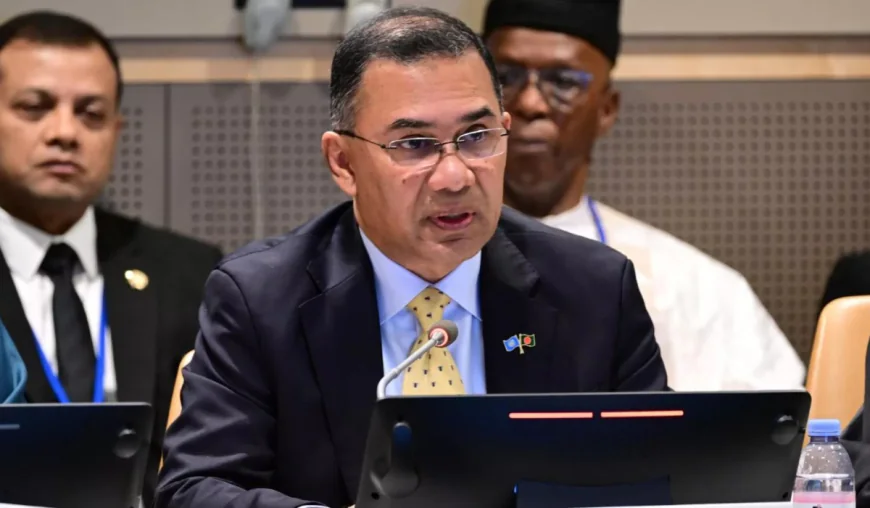
"Bangladesh's economy is beginning to recover, but the recovery remains vulnerable to external shocks and domestic constraints," said ADB Country Director Qingfeng Zhang.
"This is an important moment to accelerate reforms in macroeconomic management, the financial sector, energy security, and the business environment. These reforms will be essential to unlock private investment, create quality jobs and place Bangladesh on a stronger, more inclusive and resilient growth path." he added.
Zhang said the ADB also stands ready to support Bangladesh in translating these reforms into tangible results for its people.
The report said Bangladesh's economy is projected to grow by 3.7% in fiscal year (FY) 2026 and 4.0% in FY2027, up from 3.5% in FY2025.
Economic activity slowed in the final quarter of FY2026 due to supply chain disruptions linked to the conflict in the Middle East, although the impact is expected to be limited. The improved growth outlook reflects stronger consumption and investment as political uncertainty eases following the general election in early 2026.
Inflation eased to an estimated 8.7% in FY2026 from 10.0% in FY2025, but is forecast to rise to 9.0% in FY2027. Inflation is expected to remain elevated due to energy shortages, high production and transport costs, potential shipping disruptions, the delayed effects of El Ni¤o on food prices, and gradually easing monetary conditions.
The current account deficit is projected to widen to 0.6% of GDP in FY2027 from an estimated 0.3% in FY2026, as import growth outpaces exports.
The report said private consumption, supported by remittances, is expected to remain the main driver of growth, although high inflation will continue to reduce household purchasing power.
It said a prolonged conflict in the Middle East, higher oil prices, further disruptions to global shipping, tighter trade restrictions, weaker growth in major export markets, continued exchange rate pressures, additional stress in the banking sector, delays in fiscal reforms, lower-than-expected development spending, and climate-related shocks could weaken growth and keep inflation elevated.
ADB is a leading multilateral development bank supporting sustainable, inclusive, and resilient growth across Asia and the Pacific.
Working with its members and partners to solve complex challenges together, ADB harnesses innovative financial tools and strategic partnerships to transform lives, build quality infrastructure, and safeguard our planet. Founded in 1966, ADB is owned by 69 members-50 from the region.






 Sponsored by