


























Interoperable Digital Payments Explored to Cut Remittance Costs
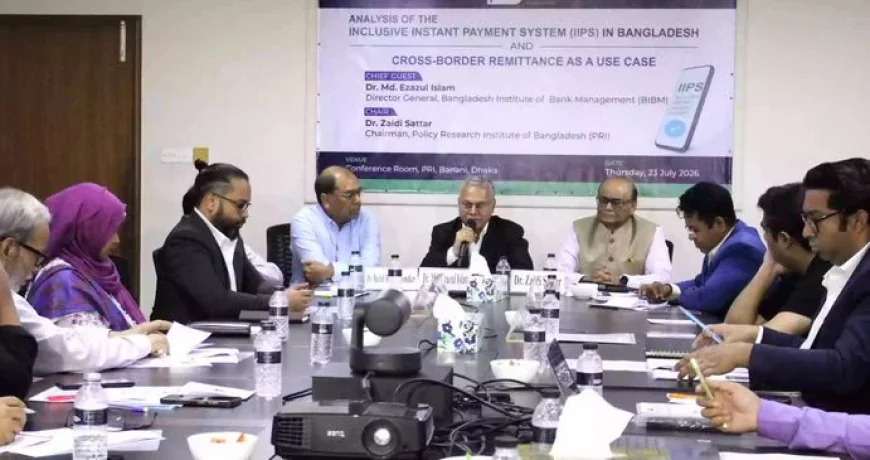
The Policy Research Institute of Bangladesh (PRI), with support from the Gates Foundation, on Thursday launched a research initiative to examine how an Inclusive Instant Payment System (IIPS) could strengthen financial inclusion, lower remittance costs and encourage greater use of formal financial channels.
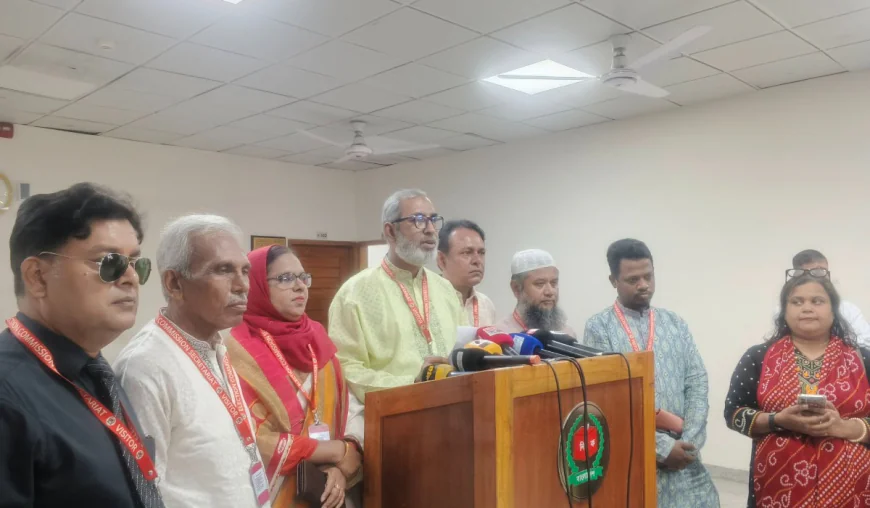
The inception workshop, titled "Analysis of the Inclusive Instant Payment System (IIPS) in Bangladesh and Cross-Border Remittance as a Use Case," brought together policymakers, Bangladesh Bank officials, financial sector representatives and researchers to discuss the future of interoperable digital payments in Bangladesh.
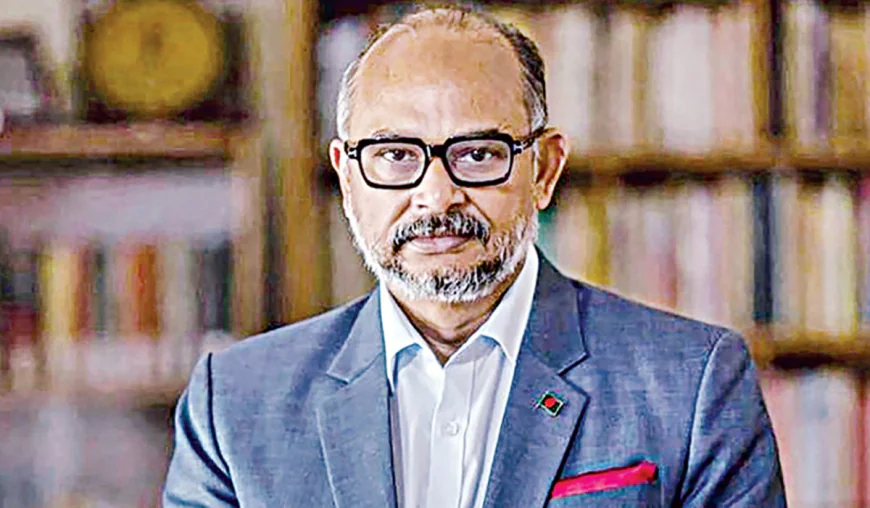
Chairing the session, PRI Chairman Dr. Zaidi Sattar said remittances account for around 6 percent of Bangladesh's GDP and underscored the importance of channeling these inflows into productive investment. He also highlighted the continued reliance of many Bangladeshi migrant workers on informal hundi channels despite the rapid expansion of digital financial services.
PRI Research Director Dr. Bazlul Haque Khondker and Director Dr. M.A. Razzaque presented the keynote paper, outlining research on how an Inclusive Instant Payment System could create an interoperable, affordable and accessible payment ecosystem connecting banks, mobile financial service providers and other financial institutions.
The study will assess Bangladesh's payment infrastructure, regulatory framework, market incentives and user behaviour while drawing on international experience to recommend shared, low-cost payment rails. It will also explore ways to reduce remittance costs through real-time cross-border payment corridors and lessen dependence on informal transfer channels.
As part of the research, PRI will conduct a survey of Bangladeshi migrants in six major destination countries to understand why they choose formal or informal remittance channels. The survey will examine factors including transaction costs, exchange rates, transfer speed, trust, documentation requirements and recipients' access to financial services.
Speaking at the workshop, Bangladesh Institute of Bank Management (BIBM) Director General Dr. Ezazul Islam said an Inclusive Instant Payment System could significantly reduce digital payment costs, expand financial inclusion and improve the efficiency and competitiveness of Bangladesh's payment ecosystem.
He said wider adoption of digital payments would enhance transaction transparency, promote the use of formal financial channels and improve tax compliance. However, he stressed that the system's long-term success would depend on robust governance, sustainable pricing, effective dispute resolution mechanisms and sound settlement risk management.
Additional Director of Bangladesh Bank's Payment Systems Department Mohammad Jahid Iqbal said the central bank is developing the IIPS on the open-source Mojaloop platform to reduce costs, enable local customisation and integrate banks, payment service providers and, eventually, microfinance institutions into a unified digital payment infrastructure.
He said the platform, launched in November 2025, is expected to support feature-phone users, simplify account opening, reduce failed transactions and strengthen fraud prevention through the Tazama toolkit.
Representing the private sector, bKash Vice President (Remittance, Financial Services, Commercial) Sayed Shaikh Ibna Jilany shared perspectives on integrating mobile financial services into an interoperable payment ecosystem while ensuring consumer protection, affordability and user trust.
In his closing remarks, PRI Distinguished Fellow Dr. Ahsan H. Mansur said financial inclusion, the Inclusive Instant Payment System and Bangladesh's transition towards a cashless economy should be pursued as part of a single, integrated national strategy.
He said that Bangladesh Bank spends around Tk 20,000 crore annually on cash management and said accelerating digital payments would require lower transaction costs, wider access to affordable smartphones and internet services, restored confidence in the banking system and dedicated investment mechanisms for Non-Resident Bangladeshis (NRBs) to mobilise diaspora investment through formal channels.






 Sponsored by