
















Amnesty accuses M23 of abusing miners in DR Congo
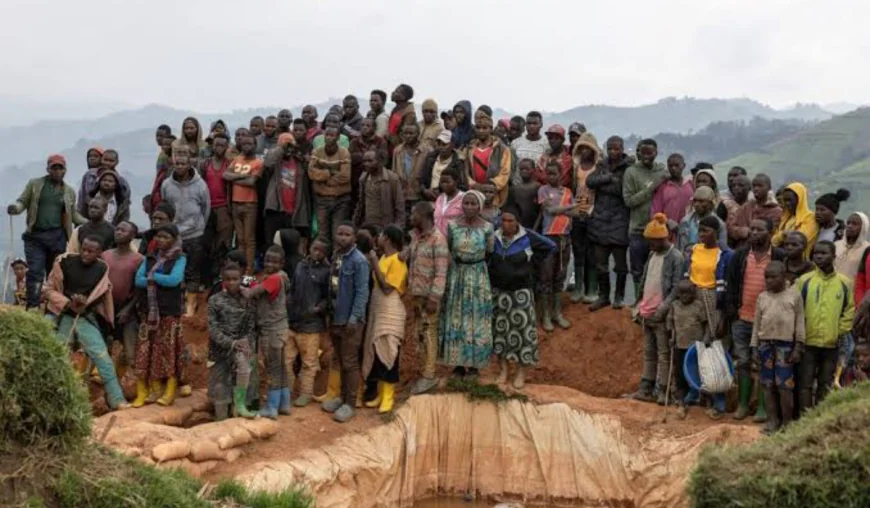
Amnesty International said on Monday the Rwanda-backed M23 armed group was carrying out torture, arbitrary detention and other serious human rights abuses against artisanal miners in the eastern DR Congo.
Since resurfacing in late 2021, M23 fighters have seized large parts of the eastern Democratic Republic of Congo, a region rich in minerals and plagued by decades of conflict.
The anti-governmental group has taken control of Rubaya, a major mining hub that produces around 15 percent of the world's coltan, a metallic ore key to making electronics.
UN experts have said the group has since generated revenue by taxing mining and trade at Rubaya, which the M23 denies.
Amnesty said in a new report that M23 violations at artisanal mines under its control included summary killings, torture and ill-treatment, arbitrary detention, forced labour and forced recruitment.
The rights organisation said it had documented the summary killing of 18 artisanal miners at Rubaya, which lies in North Kivu province, and at Lomera gold mine in neighbouring South Kivu.
"Witnesses and family members reported that 10 were beaten to death, two were shot dead and six abducted miners were later found dead," Amnesty said in its report.
Miners told Amnesty that they were beaten if they asked for breaks, refused to hand over minerals or for minor transgressions, it added.
More than 20 miners at Rubaya were kept in underground detention cells and beaten three times a day by M23 fighters, the NGO said.
Guards identified as Rwandan by witnesses collaborate with the M23 and beat miners, it added.
Amnesty also said it had found evidence that gold from M23-controlled areas was illegally exported to neighbouring Rwanda "through well-established smuggling routes", including by boat across Lake Kivu on the border between the two countries.
In June, the NGO Global Witness said hundreds of tonnes of coltan -- used in smartphones, laptops and other key electronics -- were taken from M23-controlled mines and moved to Rwanda.
"The conflict coltan is often mixed with local production" in Rwanda, masking its origins before being exported, it said.


 Sponsored by