





























Bees declining in Meherpur due to pesticides; risking mango, litchi yield
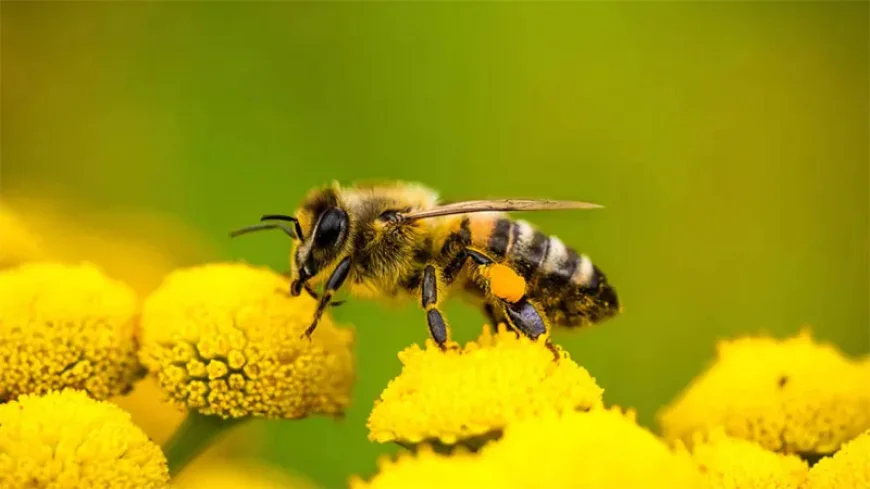
The population of bees in Meherpur has declined alarmingly due to the excessive and unplanned use of pesticides, raising concerns about reduced yields in seasonal fruit orchards, particularly mango and litchi. Although mango, litchi, lemon and other fruit trees have produced abundant blossoms this season, many flowers are failing to develop into fruit because of disrupted pollination. Agricultural experts fear that production targets may not be achieved if the trend continues.
Officials from the Department of Agricultural Extension (DAE) said bees play a crucial role in pollination by transferring pollen from flower to flower, ensuring fruit development. However, indiscriminate pesticide spraying in orchards and crop fields is causing bees to die or leave the area. The damage becomes especially severe when pesticides are applied during the flowering period. Local orchard owner Mukul Biswas said the trees initially showed promising signs with abundant buds this year. "But despite several rounds of pesticide spraying, fewer flowers are forming. Many buds are turning black and falling off," he said. According to him, the number of mangoes per tree could drop by nearly half compared to last year.
Honey collector Sirajul Islam also reported a sharp decline in honey production. "A few years ago, we used to collect one to one-and-a-half tons of honey daily from November to March. This year, we hardly see any honeycombs in different areas," he said. Agricultural experts attribute the decline in bee populations not only to pesticide use but also to climate change, irregular rainfall and temperature fluctuations, which disrupt the natural life cycle of bees.
However, experts said the uncontrolled use of harmful chemicals remains the most significant cause. Besides bees, other beneficial insects are also nearing extinction. Experts also recommend avoiding pesticide spraying during the flowering stage of crops and increasing the use of organic alternatives and pheromone traps. They also stress the importance of adopting Integrated Pest Management (IPM) techniques and promoting beekeeping in orchards to enhance natural pollination.
Sanjeev Mridha, Deputy Director of DAE, warned that the consequences could be far-reaching. "If awareness about bee conservation is not raised, not only mango and litchi production but also vegetables and other crops will be severely affected in the future," he said. He emphasized that bees are vital for maintaining ecological balance and urged farmers to adopt sustainable and environmentally friendly farming practices to protect agricultural productivity.
Farmers in the region fear that without timely action, the decline in bee populations could deal a serious blow to the local agricultural economy. The growing crisis, they say, is a clear reminder that protecting nature is essential for ensuring sustainable crop production.