
























ADB approves $175m loan to modernize power networks in CHT
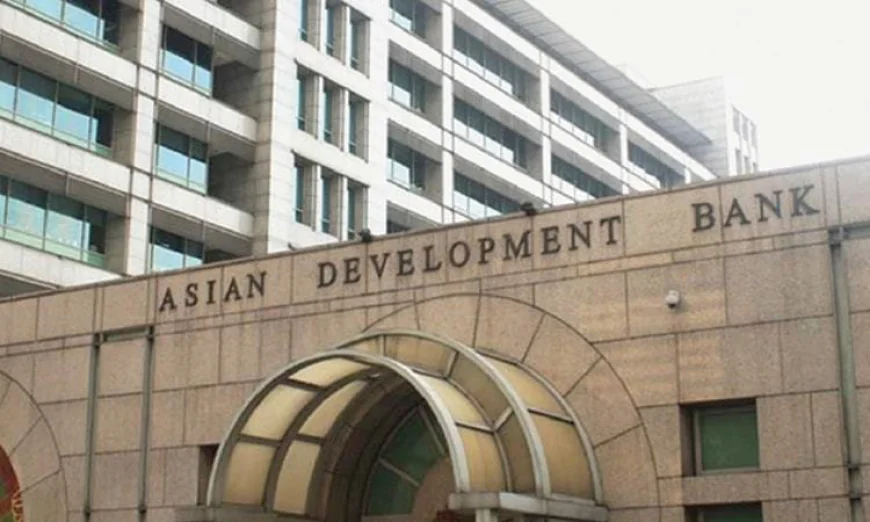
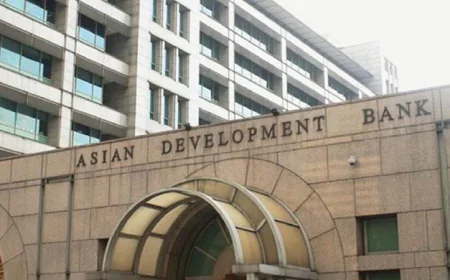
The Asian Development Bank (ADB) has approved a $175 million concessional loan to expand access to reliable and affordable electricity in Bangladesh’s Chattogram Hill Tracts, helping boost livelihoods, improve essential services, and support inclusive development in one of the country’s most remote regions.
The Sustainable Energy Development and Community Empowerment in the Chattogram Hill Tracts Project will extend and modernize power distribution networks across 26 remote upazilas in Khagrachari, Rangamati, and Bandarban hill districts, benefiting at least 88,000 additional households, including 35,000 from small ethnic communities.
The project will construct six 33/11 kilovolt substations, adding 80 megavolt-amperes of capacity; build 5,032 kilometers of distribution lines using low-loss conductors; and upgrade 1,874 kilometers of aging distribution lines, four substations, a switching station, and a zonal repair workshop.
These improvements will reduce system loss and operating cost, enhance grid efficiency, avoid at least 19,300 tons of carbon dioxide equivalent emissions annually, and strengthen the power system’s resilience to disasters, said an ADB press release.
“Reliable electricity is a powerful driver of jobs, enterprise, education, health care, and community resilience,” said ADB Country Director for Bangladesh Qingfeng Zhang.
“This project helps remote communities in the Chattogram Hill Tracts access safer and more dependable power, while expanding livelihood opportunities, supporting women’s participation, and advancing Bangladesh’s transition to a more resilient and low-carbon future.”
Chattogram Hill Tracts is home to about 1.84 million people, more than half of whom belong to small ethnic communities.
Although Bangladesh has achieved 99% national electrification, grid access remains much lower in the region: 49% in Khagrachari, 43% in Rangamati, and 41% in Bandarban.
By 2032, the project is expected to increase the region’s grid access to 68% and prepare the grid for future renewable energy use, including solar and pico-hydropower.
The project will support social development by establishing at least 30 solar-powered drinking water facilities, managed by community organizations with at least 30% women in leadership roles.
It will also provide solar backup systems to supply clean energy during power outages for at least 20 facilities serving small ethnic communities, including schools, hospitals, temples, and clinics.
The project will boost income opportunities by providing livelihood training to at least 1,000 people, business incubation support to more than 200 entrepreneurs, and orientation on energy-sector careers and disaster-resilient energy systems to 300 students.
It will strengthen service delivery by establishing three customer complaint centers and three childcare facilities with digital monitoring systems, and train Bangladesh Power Development Board (BPDB) staff in customer service, distribution operation and maintenance, safeguards, and resilient technologies.
In addition to the ADB financing, the project will receive a $2.72 million grant from the Japan Fund for Prosperous and Resilient Asia and the Pacific, financed by the Government of Japan through ADB.
The Government of Bangladesh will contribute $36.54 million, and the BPDB—serving as the executing and implementing agency—will provide $45.65 million.
ADB is a leading multilateral development bank supporting sustainable, inclusive, and resilient growth across Asia and the Pacific.
Working with its members and partners to solve complex challenges together, ADB harnesses innovative financial tools and strategic partnerships to transform lives, build quality infrastructure, and safeguard our planet. Founded in 1966, ADB is owned by 69 members—50 from the region.