























Crisis-hit Bolivia ends diesel subsidies
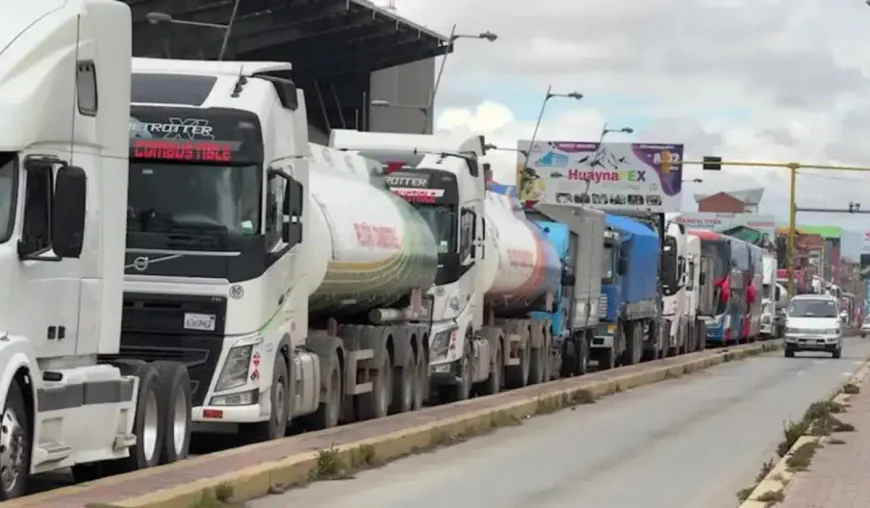
Bolivia said on Friday it will axe its diesel subsidy after Congress approved a multi-million-dollar loan from the International Monetary Fund to stabilize the Andean nation's finances.
The country has suffered its worst economic crisis in four decades as the subsidy policy drained the treasury's international dollar reserves.
The Bolivian government centralizes gasoline and diesel imports, purchasing them at international prices and reselling them at a loss.
"We have decided that, starting today, diesel will cost the same as what we pay to purchase it abroad," President Rodrigo Paz said in an address broadcast on state television.
The government said this month it had agreed to end all fuel subsidies by 2027 under an agreement with the International Monetary Fund (IMF) on a $1.9 billion bailout.
The conditions of the loan include ending the generous fuel subsidies that had left a huge hole in the country's currency reserves, leaving the state short of money to import fuel and other essentials.
A decision on gasoline subsidies was still pending.
Soon after he took office in November last year, Paz announced he was eliminating the subsidies, raising domestic fuel prices to bring them into alignment with international prices.
But when the US-Israel war with Iran caused global oil prices to rocket, the government dug deep again to absorb the difference with the new domestic price.
Under the deal with the IMF, the government would no longer be allowed to keep fuel prices artificially low.
To cushion the impact, the government would increase spending on some social programs.
Paz recently doubled the price of diesel for large consumers such as farmers, arguing that cross-border fuel smuggling was causing fuel shortages.
The price hike sparked protests but there has not been a resumption yet of the mass anti-government protests and blockades that paralyzed parts of the country in May and June.

 Sponsored by