



















EPB seeks district product lists to diversify exports beyond RMG

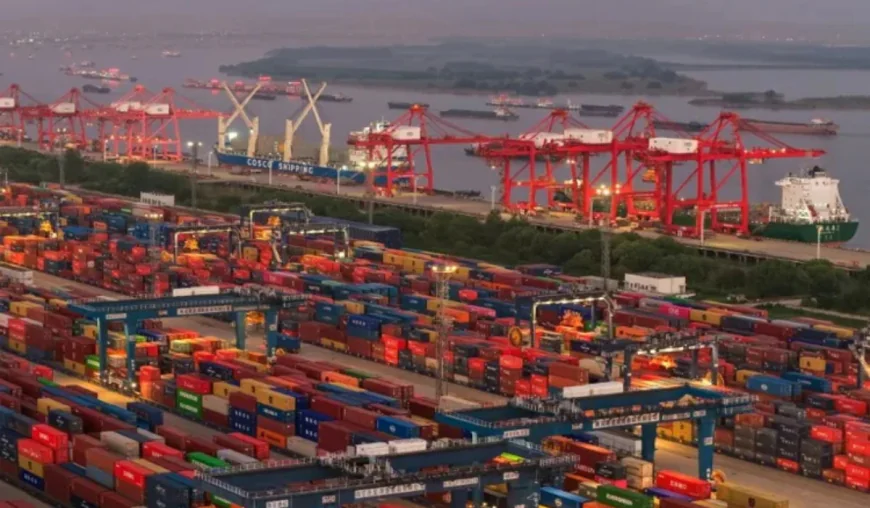
Export Promotion Bureau (EPB) has launched a nationwide district-based drive to identify, develop and promote potential non-apparel products to diversify Bangladesh's export basket and reduce its heavy dependence on the ready-made garment (RMG) sector.
Under the initiative, the EPB is seeking information from district administrations on locally produced products that have the potential to become competitive export items.
RMG currently accounts for around 80-82 percent, or nearly $38 billion, of Bangladesh's total annual exports of about $48 billion.
EPB officials believe that developing several competitive non-apparel sectors, each capable of generating around $5 billion in annual exports, could significantly boost export earnings and help the country move towards its ambitious $100 billion export target.
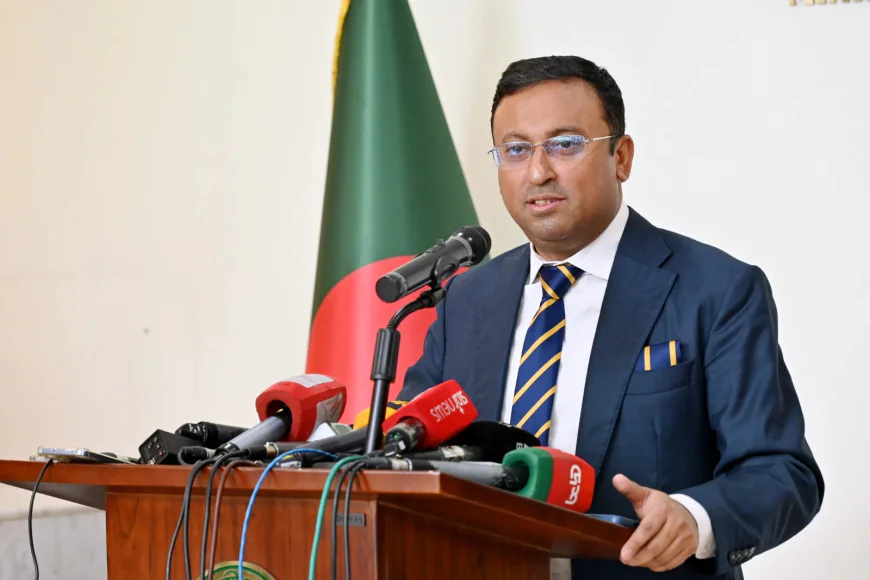
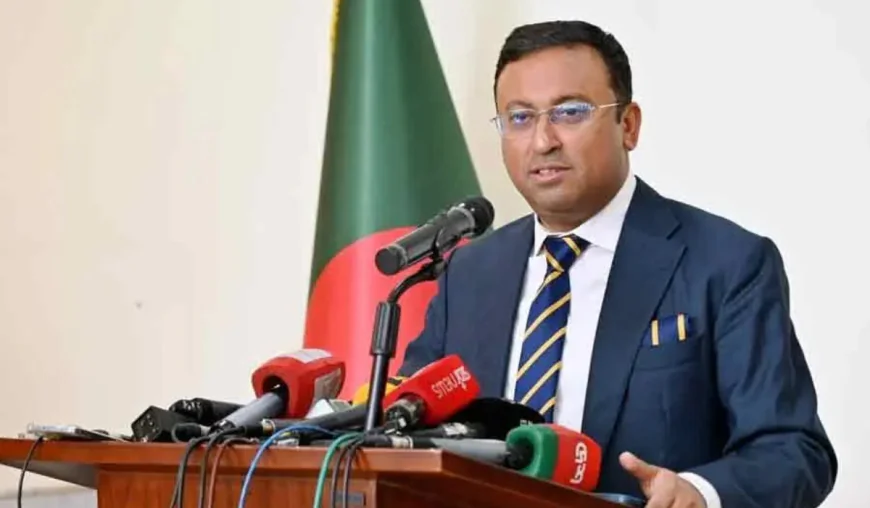
EPB Vice Chairman Mohammad Hasan Arif said around one-third of the country's districts had already submitted initial reports identifying products with export potential.
The remaining districts are compiling information in consultation with local entrepreneurs, producers and other stakeholders, he said.
The EPB will technically screen the proposed products and conduct field-level visits to assess production capacity, quality, supply chains, processing facilities and export readiness.
Under the district-specific product identification model, local administrations will identify products that could potentially be developed into commercially viable export industries.
The EPB will then assess whether the products meet international standards and whether production can be scaled up to ensure a stable supply for overseas buyers.
Market feasibility will also be examined before institutional support is provided.
The initiative will focus not only on identifying locally produced goods but also on addressing constraints related to quality, post-harvest losses, processing, packaging, certification, logistics, financing and access to international buyers.
Arif said the EPB will begin its field-level engagement this Sunday with a visit to Khagrachhari, where it will assess potential products and conduct training for local farmers.
"Khagrachhari has initially shortlisted four to five agricultural products, including mango, ginger, turmeric and pineapple, for assessment under the initiative," he said.
The EPB will also examine the potential of local handicrafts and other products for overseas markets, he added.
Arif said the bureau wants to work directly with producers to familiarise them with export-market requirements, particularly quality, production practices, packaging and international standards.
Once products with genuine export potential are identified, the EPB will coordinate with relevant government agencies to address infrastructure and policy constraints, he said.
"Depending on the requirements of individual products, support may include cold-storage facilities, improved roads and transport links, processing and packaging facilities, access to finance and technical training," he added.
For fisheries-related products, infrastructure such as Brood Multiplication Centres (BMCs) could also be considered where necessary, he said.
The EPB will coordinate with relevant ministries and agencies, Bangladesh Bank, the National Board of Revenue (NBR) and future government development projects to mobilise the required support.
Arif observed that while Bangladesh's export sector had achieved significant success through RMG, the heavy concentration of exports in a single sector had also emerged as a challenge to long-term export resilience.
He said the EPB initiative aims to identify products beyond the traditional export base and gradually develop them into commercially viable industries.
"Bangladesh does not necessarily need one alternative sector to replace RMG. Rather, the country could develop several medium- and large-scale export industries, each generating billions of dollars in annual earnings," he added.
The district-based approach is expected to leverage Bangladesh's geographical diversity and locally available resources to create new export opportunities and build a broader, more resilient export basket beyond garments.




 Sponsored by