













Former Chhatra Dal leader says political struggle continues despite losing leg
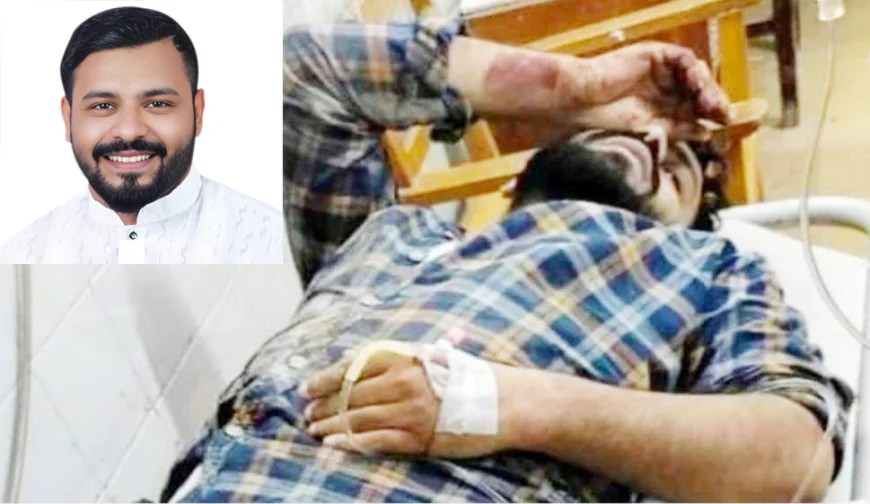
For 17 years, Saiful Islam Saif has remained active in Bangladesh Nationalist Party (BNP) politics despite losing his left leg in what he describes as a “crossfire” incident, followed by arrests, lawsuits and alleged torture.
A former assistant secretary of Chhatra Dal, the BNP’s student wing, Saif says he was targeted during a period when many BNP activists had gone into hiding or stayed away from political activities. He remained active in meetings and processions in Chattogram’s Ward No. 7.
According to Saif, the incident that changed his life occurred on June 16, 2021, near Oxygen intersection in Chattogram. He alleges that plainclothes police officers detained him near Hotel Jaman, handcuffed him and took him away in a private car with his eyes blindfolded.
He claims the vehicle travelled through different parts of the city before stopping near the Link Road area. He was allegedly taken out of the car, and while blindfolded, was shot in his left leg. He further alleges that an SI named Asim Das fired another shot about two minutes later.
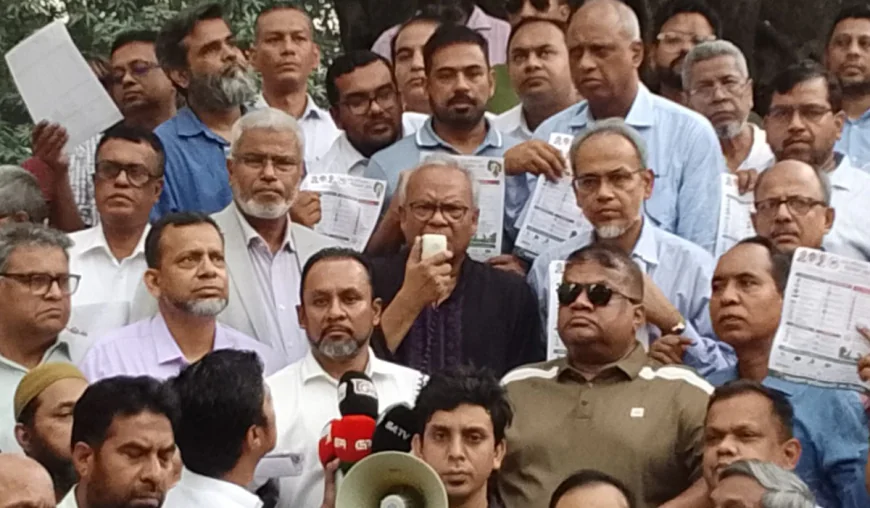
Saif lost his leg but says he did not abandon politics. After recovering in hospital, he returned to political programmes and rallies, often standing on one leg alongside fellow activists.
His political journey, he says, has involved repeated cases, arrests and periods in jail. His supporters describe him as a grassroots activist who remained active during difficult times for the BNP.
In recent months, Saif’s participation in rallies and political programmes has drawn attention in different parts of Chattogram. His supporters claim that his growing popularity among grassroots activists has also made him the target of internal criticism and allegations.
Saif says he has been labelled a “terrorist”, “extortionist” and “leader of a teenage gang”—allegations he rejects as politically motivated. He says being labelled a criminal during the previous government still causes him emotional pain.
“Whenever I hear the label given by the Awami League, tears come to my eyes,” Saif said. “As long as I live, I will carry the nationalist ideology in my heart.”
However, Saif’s main grievance is not about his physical injury but what he sees as a lack of recognition for his sacrifices. He questions whether activists who stood by the party during difficult times receive sufficient recognition when political circumstances improve.
He fears that his sacrifices may only be remembered after his death.
“One day, when I die, perhaps the party will regret it,” Saif said. “There may be headlines saying Saiful gave his life for the party. My family may even receive financial assistance. But after some time, everyone will forget.”
Despite his frustration, Saif says he has no intention of leaving politics. His supporters say his strength comes from his longstanding relationships with grassroots activists and ordinary people rather than from any formal position.
His story has also raised broader questions about how political parties recognise activists who remain loyal during difficult periods.
Today, Saif continues to attend rallies and political programmes with one leg. He says his struggle is no longer only about surviving political adversity, but also about preserving his identity and receiving recognition while he is still alive.
For Saif, the question remains whether his 17 years of political sacrifice will be recognised during his lifetime—or only after he is gone.


 Sponsored by