


























Government to support technology-based firms: Titumir
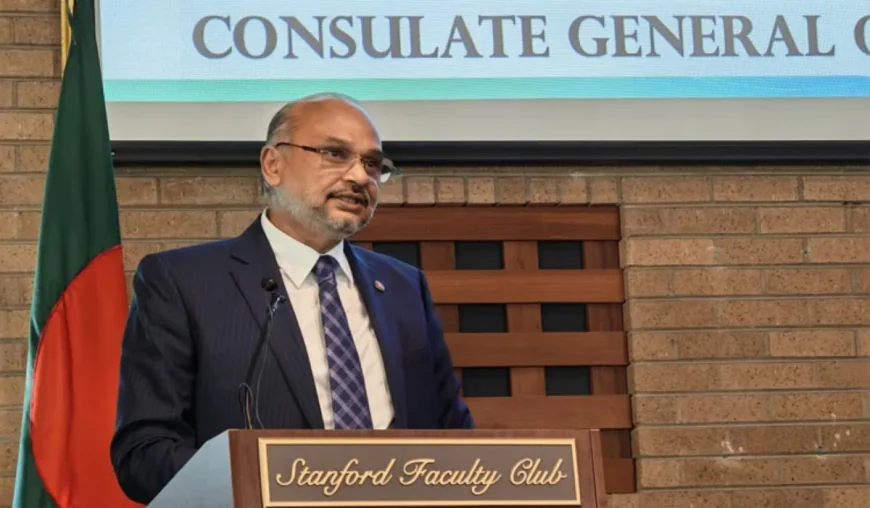
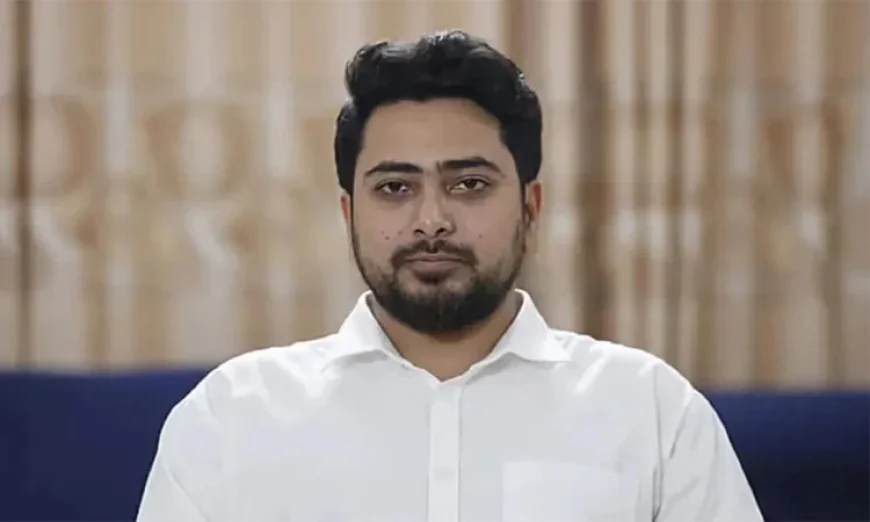
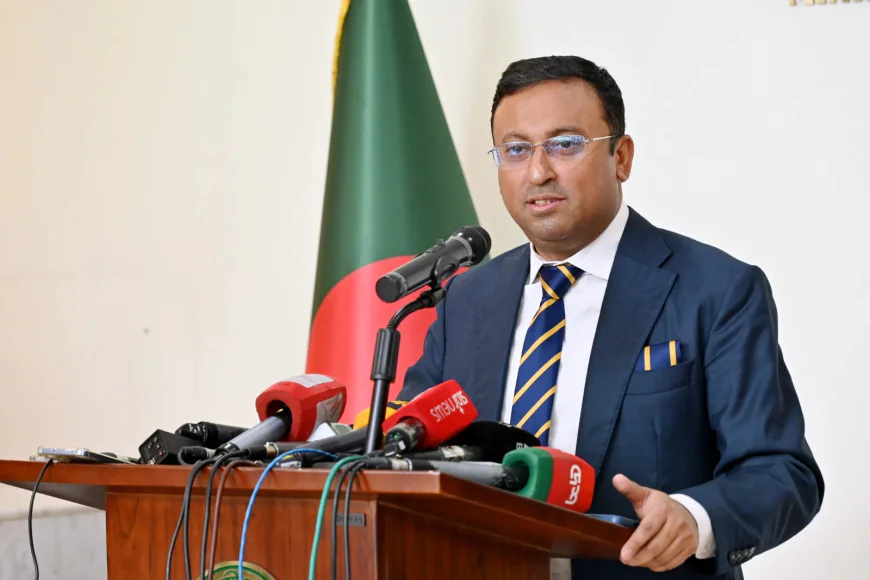
Prime Minister's Adviser on Finance and Planning Prof Dr Rashed Al Mahmud Titumir said that the government will support technology-based enterprises to create skilled employment and facilitate technology services in the country.
"To this end, the government will review tax policies, investment plans and the role of government institutions," he said.
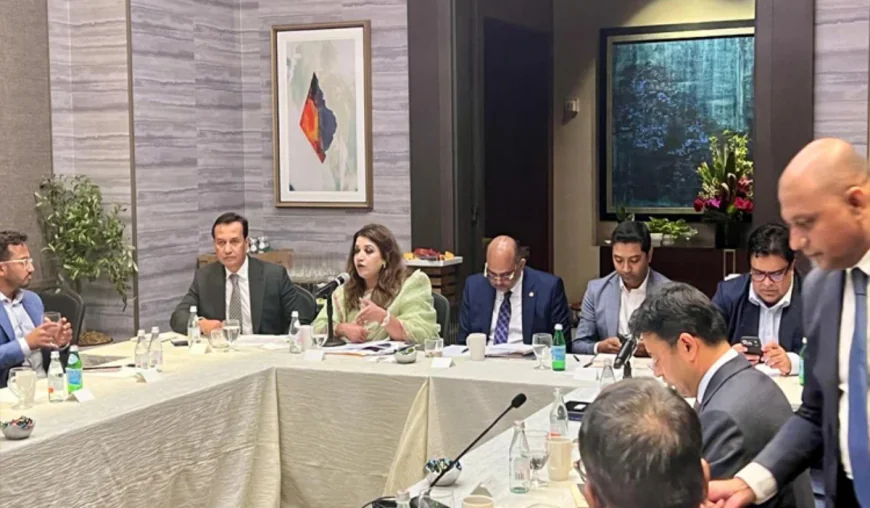
Dr Titumir made the remarks in his concluding speech at the "Bangladesh-Silicon Valley Technology Dialogue" held at Cedar Hall of Stanford University in California on Sunday, said a press release today.
The adviser said technological cooperation must improve the quality of citizen services and create new opportunities for the people of Bangladesh.
He urged the participants to quickly identify implementable projects, responsible individuals or institutions and follow-up actions to translate the discussions into concrete outcomes.
The dialogue, titled "Technology, Talent and Partnership for Bangladesh's Future", was organised by the Consulate General of Bangladesh in Los Angeles.
Members of Prime Minister Tarique Rahman's special delegation held discussions with technology experts, researchers, entrepreneurs, investors and expatriate Bangladeshis from Silicon Valley on the development of Bangladesh's technology sector, artificial intelligence (AI), the semiconductor industry, research, skills development, employment and investment prospects.
Consul General Kazi Muhammad Javed Iqbal delivered the welcome address and moderated the event. Bangladesh Ambassador to the United States Tareq Md Ariful Islam also spoke at the programme.
The Prime Minister's special delegation included Prime Minister's Adviser on Finance and Planning Prof Dr Rashed Al Mahmud Titumir, State Minister for Foreign Affairs Shama Obaed Islam, Adviser to the Prime Minister on Posts, Telecommunications, Information Technology, Science and Technology Rehan Asif Asad and State Minister for Primary and Mass Education Bobby Hajjaj.
Papers on the use of AI in Bangladesh were presented by Dr Syed Ishtiaq Ahmed, associate professor of computer science at the University of Toronto; Dr Sharifa Sultana, assistant professor at the University of Illinois Urbana-Champaign; Dr Mohammad Kamrul Islam, distinguished engineer at Uber; and Dr Mostafa Patwari, researcher at NVIDIA.
Dr Mahbub Rasheed of Global Foundries also spoke on the potential and overall development of the semiconductor industry.
Professor Dr Saif Islam, chair of the Department of Electrical and Computer Engineering at the University of California, Davis, moderated a panel discussion on talent, technology and capital.
Adviser Rehan Asif Asad, Dr Shatil Haque of Credo Semiconductor, Dr Yousuf Haque, co-founder and chief technology officer of Exor, Dr Omar Ishrak, former CEO of Medtronic and former chairman of Intel's board of directors, Mohammad Enayetur Rahman, president and CEO of Ulkasemi, and Badrul Sarwar, co-founder and chief technology officer of CloudAI, took part in the panel.
The panellists exchanged views on research, skills development, industry partnerships and investment opportunities.
Adviser Rehan Asif Asad said the government is committed to developing the technology sector by building strong links among research, education, startups and industries.
Referring to recent government initiatives, including the BAER Summit, he said Bangladesh's growing pool of technological talent needs to be transformed into innovation, investment and skilled employment.
State Minister for Foreign Affairs Shama Obaed Islam praised the success of Bangladeshi professionals in the global technology industry and stressed the need for long-term communication and cooperation with them.
Describing science and technology diplomacy as one of the priorities of the country's foreign policy, she said Bangladesh needs to further strengthen technology transfer, skills development and ties with the US research and innovation ecosystem.
Such cooperation can play an important role in addressing Bangladesh's practical challenges, including those related to agriculture and food security, she added.
Bobby Hajjaj said children need to be equipped with both digital skills and strong foundational education amid rapid technological changes.
He stressed practical training for teachers, appropriate use of technology and AI in classrooms and ensuring quality learning materials for all students, including disadvantaged children.
He also emphasised the need to test and evaluate new teaching methods before introducing them into the mainstream education system.
The Consulate General of Bangladesh in Los Angeles pledged to continue working on these issues with the delegation and interested participants.






 Sponsored by