





















Greek PM urges courage in talks with UK over Parthenon Marbles
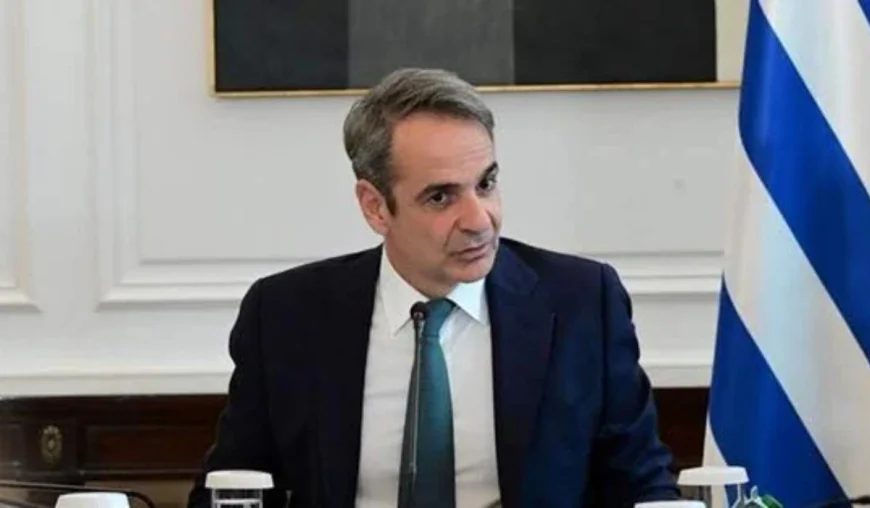
Greece's Prime Minister Kyriakos Mitsotakis on Thursday urged "political will and courage" in the country's protracted battle with Britain over the return of the prized Parthenon Marbles to Athens.
The intervention follows several years of talks with the British Museum, which has held the ancient friezes for more than two centuries, over loaning them back and easing a decades-long dispute which has soured UK-Greek ties.
It also comes just weeks after the London museum began displaying the Bayeux Tapestry as part of an unprecedented loan agreement with France, a boost to cross-Channel post-Brexit ties following years of delicate diplomacy.
"What is needed now is the political will and courage to take the decisive step, to reunite the sculptures and transform a historic dispute into a unique act of cultural friendship," Mitsotakis wrote in an opinion piece in The Guardian newspaper.
In the article, the Greek leader noted British Prime Minister Andy Burnham, who replaced Keir Starmer in Downing Street in July, had previously called for the sculptures' return to Greece with "no strings attached".
However, Burnham adopted the UK government's longstanding position in August, telling the Financial Times in late August that it was a matter for the British Museum.
The Daily Telegraph reported Wednesday that years of talks about the future of the Marbles had "collapsed" amid what it said was "Greek frustration about a lack of progress".
A spokesperson for the museum did not confirm the report, telling AFP late Wednesday that its "openness to a deal is unchanged".
The museum's director, Nicholas Cullinan, told the Financial Times last month the Bayeux Tapestry loan had given hope that "some tangible progress can happen" with the sculptures, adding "it would be a wonderful thing".
The Parthenon Marbles, also called the Elgin Marbles, have been a source of contention between Britain and Greece for over two centuries.
Greek authorities maintain that the sculptures were looted in 1802 by Lord Elgin, British ambassador to the Ottoman Empire.
London claims that the sculptures were "legally acquired" by Elgin and then sold to the British Museum.


 Sponsored by