











Nasir Uddin: A Student Leader with the Potential to Lead Tomorrow
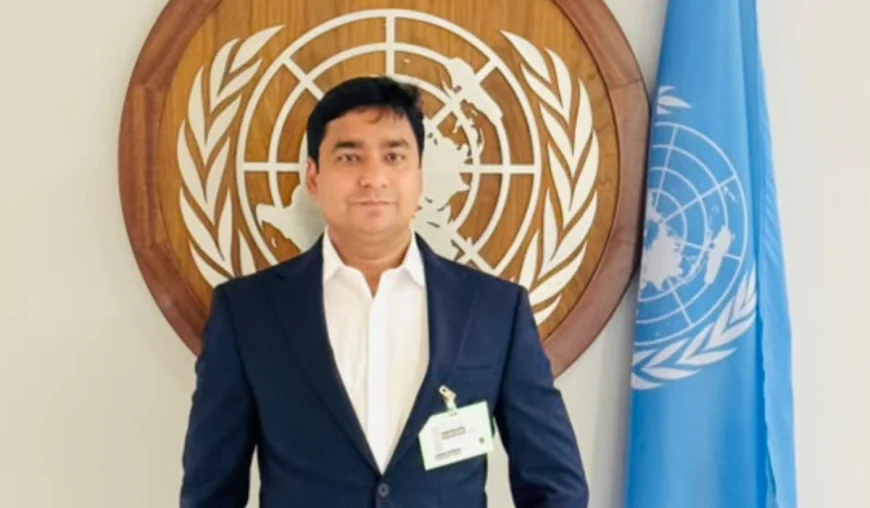
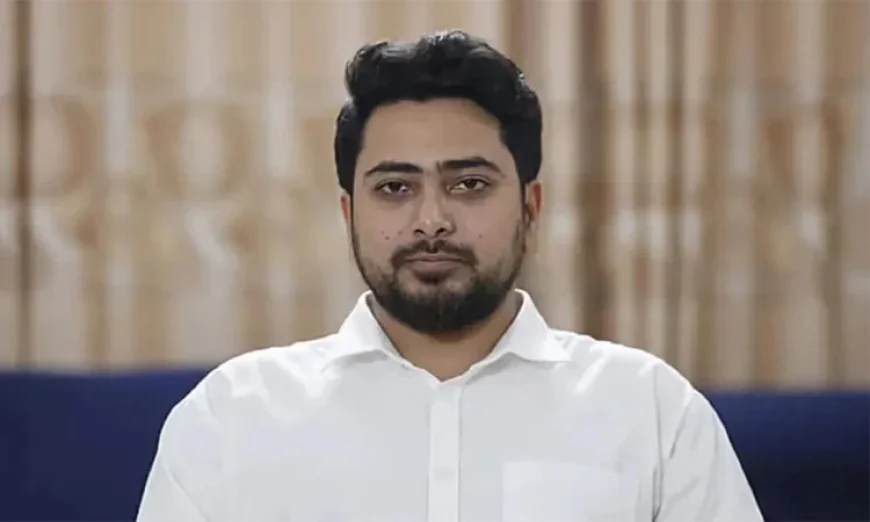
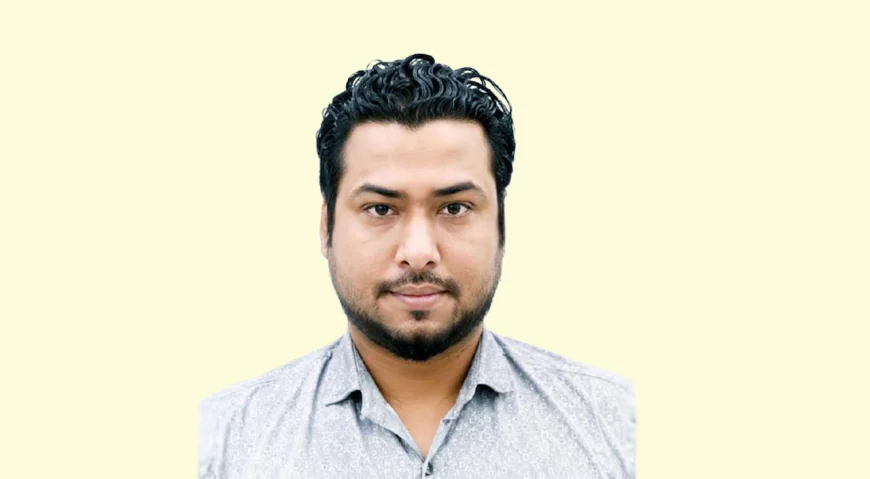
I had just come out of the mosque after offering Friday prayers when I noticed several worshippers gathered around Nasir Uddin, the central general secretary of Bangladesh Jatiyatabadi Chhatra Dal (JCD) and one of the young leaders associated with the July uprising. People from different political backgrounds were meeting him, talking to him and exchanging greetings. Nasir, with a warm smile, was introducing himself to everyone and asking about their well-being.
The temperature in Brooklyn, New York, was around 82 degrees Fahrenheit that day. I noticed that Nasir was sweating heavily, with clear signs of fatigue on his face. Yet he continued to meet everyone sincerely, seemingly hiding his exhaustion behind a smile.
I stepped forward and suggested that everyone let him leave for the time being and meet him together later in the afternoon at the meeting room. I may have been a little too forward in saying so. But looking at this soft-spoken and pleasant man, I had the impression that he would find it difficult to turn someone away or cause anyone disappointment.
Eventually, Nasir returned home.
Since the July mass uprising, I have been closely following several young leaders of Chhatra Dal. I have watched with interest the political activities of Chhatra Dal President Rakibul Islam Rakib, known for his calm and straightforward manner; Nasir Uddin, whose sharp arguments and command of discussion have impressed audiences on television talk shows; and Amanullah Aman, known for his forceful political speeches.
I have also tried to observe how effectively they are organising Chhatra Dal and whether they can move beyond the traditional practices of student politics to establish a different kind of politics based on goodwill, harmony and the welfare of the country.
That day, I had the opportunity to observe Nasir Uddin directly—the soft-spoken young leader with a pleasant personality who has won the attention of many through his sharp arguments on television talk shows.
Nasir Uddin at the Meeting
In the evening, Nasir returned to the meeting room, looking visibly tired. He greeted everyone and introduced himself to them one by one.
After the introductions of the local leaders were completed, he stood up to speak.
I had heard his sharp arguments on television for a long time, so I was naturally interested in hearing him speak in person. I was also curious to see how a popular young student leader of Bangladesh would present himself before a small gathering like this.
From the very beginning, he presented himself with remarkable humility, almost as though he were simply another ordinary party worker among those present. As he spoke, he recalled his acquaintance with many people in the room.
What impressed me most was the respect with which he remembered his seniors and fellow activists and introduced them to those present.
His behaviour toward his seniors was marked by sincerity and humility. He had no hesitation in presenting himself as a younger brother who had received their affection and guidance.
Among those present was one of his seniors from his university days at Haji Muhammad Mohsin Hall of Dhaka University, from the 1998 batch. Nasir introduced him before everyone with considerable respect, acknowledging both his seniority at the university and his connection to Nasir's local community.
I particularly appreciated this aspect of his behaviour. In the student politics of previous years, I have rarely seen senior leaders in prominent positions publicly demonstrate such respect toward their own seniors.
Even while holding such an important position, Nasir Uddin's respectful treatment of his seniors revealed another dimension of his personality.
The Beginning of His Political Journey and Recognition of Fellow Activists
After a while, he began talking about how he entered student politics.
He candidly explained that he had not been involved in politics during his college years. His political journey began at Dhaka University.
While describing different stages of his political career, he respectfully remembered those who had worked alongside him. He became the central general secretary of Chhatra Dal through a competitive process, but he also acknowledged the qualifications and contributions of those who competed against him.
Alongside speaking about his own achievements, his willingness to recognise the contributions of his rivals and fellow activists struck me as a positive quality.
It is not often that one sees a student leader with such an open-minded attitude toward recognising the contributions of fellow activists.
Thoughts on the Country and Society Beyond Politics
He then began talking about his country.
Even while sitting thousands of miles away in the United States, he discussed Bangladesh's ongoing gas and electricity shortages, their causes and possible solutions. He also spoke about the plans and efforts of the current government led by Prime Minister Tarique Rahman.
He then turned his attention to mothers in his home district of Noakhali. In particular, he expressed concern about the risks to mothers and babies associated with the high rate of Caesarean sections among pregnant women.
He called on expatriate Bangladeshis and remittance workers to invest in building high-quality hospitals in the country. His remarks were therefore not limited to political issues; they also reflected his concern about improving healthcare and medical services for the people.
He also spoke about the social deterioration that is becoming increasingly visible in society. He discussed ways to reduce conflict, division, social distance and instability among people, as well as how communities can maintain unity and social discipline.
He also urged those present to help make the Prime Minister's visit later this month a success.
At the end of his speech, he expressed gratitude to expatriate Bangladeshis who had financially supported leaders and activists at home during difficult times for the party.
He remembered not only the expatriate community as a whole but also individuals who had personally supported him with advice and financial assistance during difficult periods of his political career.
Remembering those who stood beside a leader during difficult times and publicly expressing gratitude toward them is undoubtedly a valuable quality in a political leader.
The Nasir I Saw in Nasir
Finally, Nasir Uddin concluded the programme by praying for the welfare of the country and seeking prayers for Prime Minister Tarique Rahman.
When the programme ended, I felt that I had not merely listened to a student leader's speech. I had also had an opportunity to observe some qualities that could potentially be valuable in someone who may one day contribute to leading Bangladesh.
His respect for seniors, concern for the country, awareness of social deterioration, interest in improving healthcare, appeal for unity among party leaders and activists, gratitude toward expatriate Bangladeshis, and recognition of the struggles and contributions of his fellow activists—all of these qualities made Nasir Uddin appear to me as a somewhat different kind of young leader.
Political differences, competition and struggles for leadership are natural parts of politics. But if respect, goodwill, tolerance and gratitude remain intact even amid such competition, politics can become more constructive and humane.
I do not know how far Nasir Uddin will go in the future. However, based on the few hours I spent observing him directly, I saw humility, respect for seniors, appreciation for fellow activists, concern for the country and society, and a sense of responsibility toward the future. Those qualities, in my view, provide reason for optimism.
If student leaders across Bangladesh develop the kind of humility, thoughtfulness and sense of responsibility toward the country that I observed in Nasir, Bangladesh will remain on the right path.
I hope that, very soon, a dream Bangladesh will emerge with Prime Minister Tarique Rahman's commitment to putting Bangladesh first as its guiding principle.
My hope is not limited to one political party. I hope every political party in Bangladesh produces thoughtful, humble, patriotic and responsible student leaders.
Because today's student leaders are the people who will help shape Bangladesh tomorrow.
To a great extent, the future of Bangladesh will depend on their thoughts, character and political vision.

 Sponsored by