




Bangladesh, India seek to strengthen trade ties through land ports, border haats
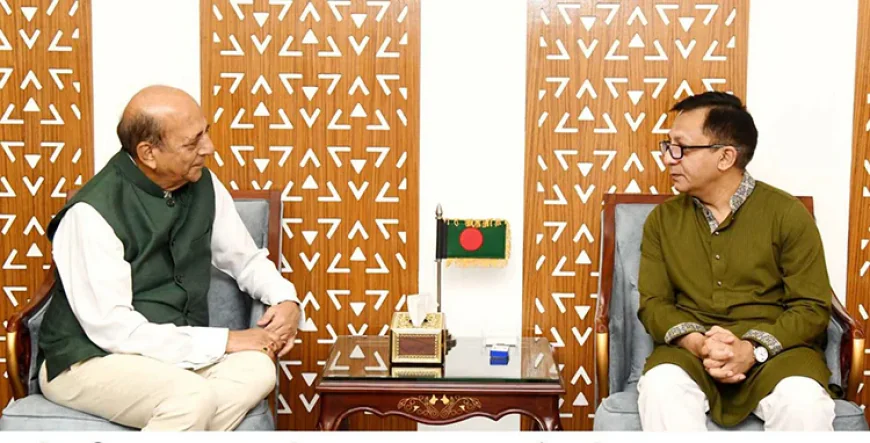
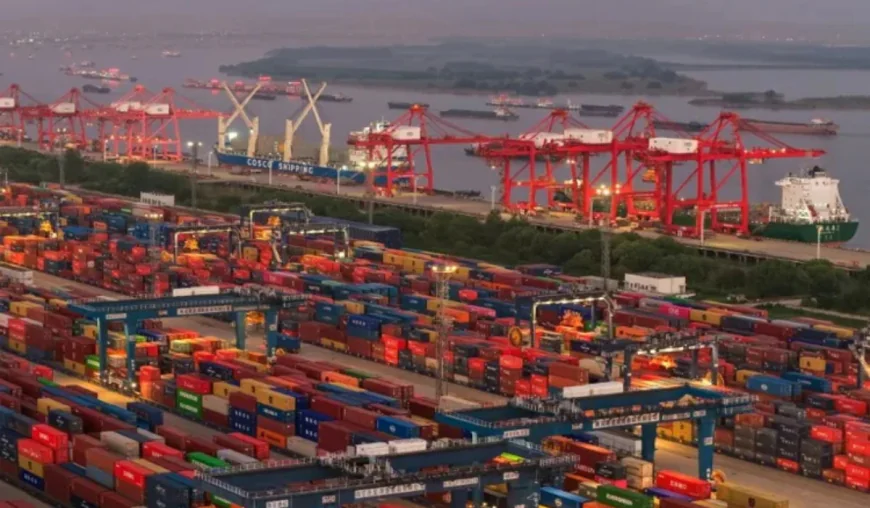
Bangladesh and India have discussed reopening closed border haats, making land ports fully operational and withdrawing the existing restriction on yarn imports through land routes as part of efforts to further strengthen bilateral trade relations.
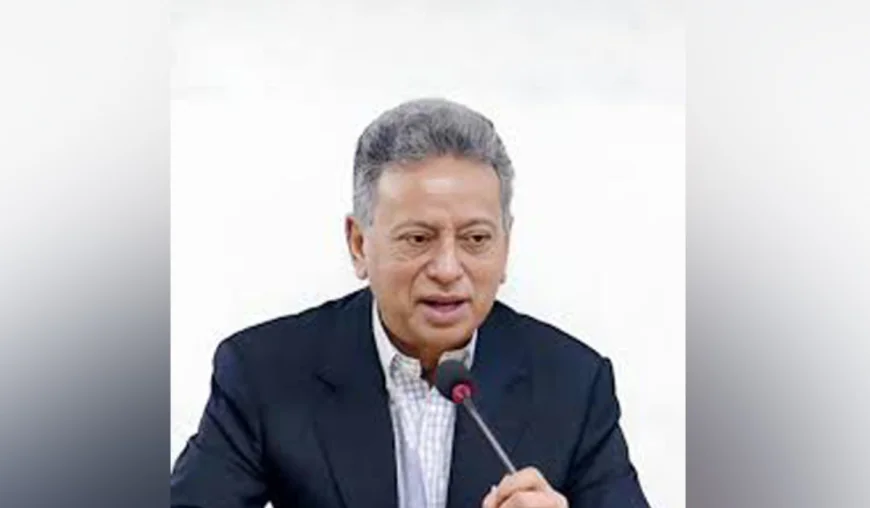
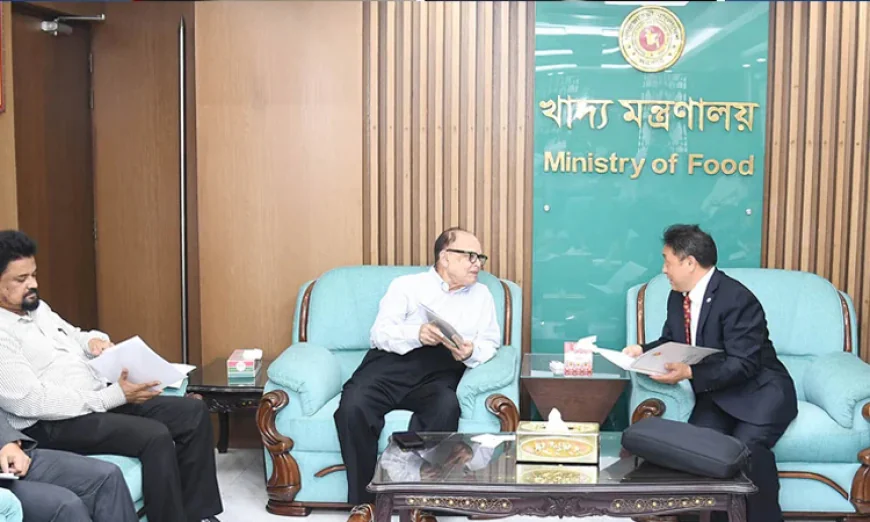
The issues came up at a meeting between Commerce Minister Khandakar Abdul Muktadir and Indian High Commissioner to Bangladesh Dinesh Trivedi at the Bangladesh Secretariat here on Monday.
The meeting also discussed ways to expand bilateral trade and remove various barriers to business between the two countries.
Talking to reporters after the meeting, the commerce minister said bilateral trade between Bangladesh and India currently stands at around US$13 billion. However, some obstacles have emerged over the past one and a half years, causing a slowdown in trade activities.
“We discussed how to identify these problems and make trade relations between the two countries easier and more effective in the future,” he said.
The minister said India is Bangladesh’s second-largest trading partner after China, noting that the two countries have maintained longstanding economic ties.
He said the meeting placed emphasis on making the land ports fully functional, reopening closed border haats and withdrawing the existing restriction on yarn imports through land routes.
A proposal was also made to form a joint task force to enhance cooperation between businesses of the two countries and to develop digital infrastructure, the minister said.
He said the initiatives are aimed at creating new investment opportunities, expanding business ties and accelerating bilateral trade.
The commerce minister expressed hope that the initiatives of the Indian High Commissioner would help further strengthen Bangladesh-India relations and take economic cooperation between the two countries to a new level.
Indian High Commissioner Dinesh Trivedi said that although there are some differences between the two countries on political and economic issues, the people of both countries want development and progress.
“Especially for the future of the younger generation, the two countries have to work together,” he said.
Bangladesh and India are two independent and sovereign countries, and neither is big or small; both are equal, he said, stressing that the two countries should continue to work on the basis of equality.
The High Commissioner said economic cooperation is the most important element in improving bilateral relations. If economic ties are strengthened, cooperation in other areas will also increase, he added.
Trivedi also stressed the importance of joint investment and production, saying Bangladesh’s readymade garment sector has achieved remarkable success globally.
India can support the sector by supplying zippers, machinery, buttons and other accessories, he said, adding that such cooperation would increase mutual interdependence between the two countries.
“I feel proud when I see ‘Made in Bangladesh’ written on garments in international markets,” the High Commissioner said.
He expressed the view that Bangladesh’s garment sector could expand further through joint initiatives by businesses of the two countries.
The meeting expressed hope that greater cooperation between businesses, creation of new investment opportunities and stronger supply chains would help further expand commercial relations between Bangladesh and India in the coming days.
 Sponsored by