













Navigating global order rupture
Canada Shifts Strategy to Strategic Autonomy
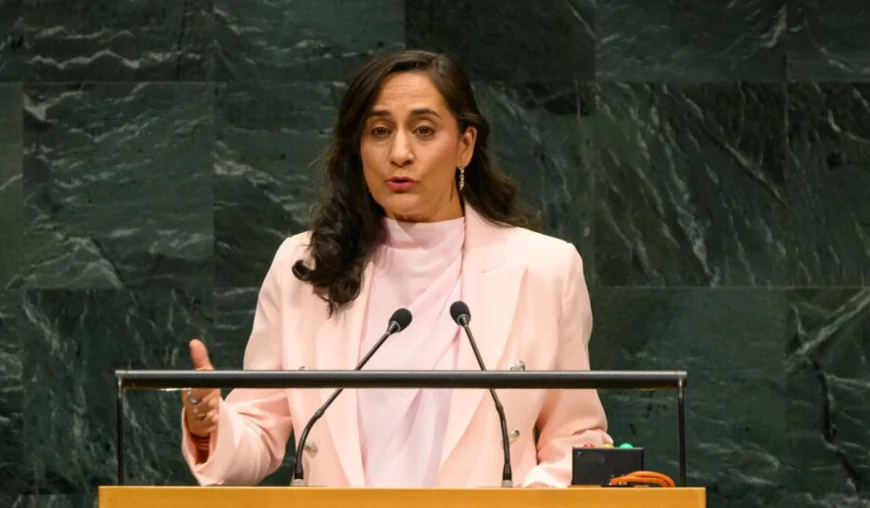

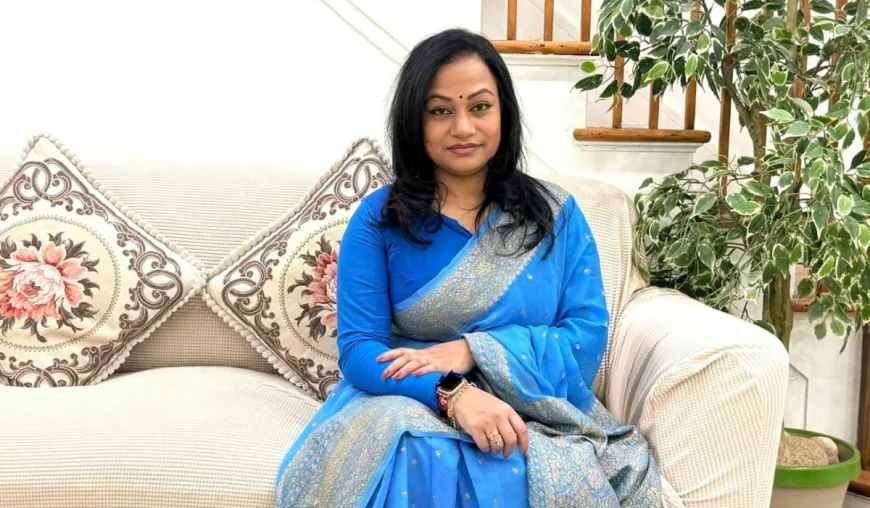
Invoking the coastal rhythms of her Nova Scotia upbringing, Foreign Minister Anita Anand delivered a major foreign policy address to the United Nations, warning that the global order is experiencing a fundamental rupture rather than a mere transition. Facing a world where great powers are increasingly retreating from economic cooperation and treating state sovereignty with disdain, she declared that Canada will respond by asserting greater strategic autonomy, deliberately reducing over-reliance on any single traditional partner while diversifying its diplomatic and economic relationships across the globe.
To navigate this era of disorder, Canada plans to construct issue-based coalitions uniting small states, middle powers, and major powers to tackle specific shared challenges, particularly in securing the Arctic and supporting Ukraine. Anand emphasized that these flexible partnerships are meant to reinforce the multilateral system rather than bypass it. Through a new Partners for Multilateralism initiative, Canada and its allies aim to reform the UN and related international bodies to render them more representative, effective, and trustworthy.
Alongside institutional reform, Ottawa is adopting a strategy of values-based realism designed to strengthen Canadian capabilities in critical minerals, defense production, energy, and emerging technologies like artificial intelligence. This economic shift includes expanding trade initiatives in the Indo-Pacific, the Gulf region, Latin America, Africa, and Europe, while simultaneously pursuing renewed partnerships with major Asian economies, including India and China.
Addressing pressuring global security issues, Anand reaffirmed Canada’s unwavering commitment to a comprehensive, just, and lasting peace for Ukraine rooted in its sovereignty and territorial integrity. She framed the Arctic as central to Canadian national identity, pledging deeper coordination with regional partners and Indigenous peoples. Turning to the Middle East, Anand singled out Iran as the principal threat to regional peace and security, asserting that Tehran must never acquire a nuclear weapon. On the Israeli-Palestinian conflict, she advocated for a negotiated two-state solution, maintaining that both Israel’s right to exist and the Palestinian right to self-determination are non-negotiable. She added that Hamas can hold no governing role in Palestine, while reiterating that Israeli settlements in the West Bank remain illegal under international law.
Beyond regional conflicts, Anand underscored Canadian support for stability and elections in Haiti, humanitarian aid in Gaza and Sudan, and global cooperation on maritime safety. Concluding her speech, she rejected nostalgia or despair as viable responses to shifting geopolitical realities, maintaining that Canada will instead move forward with confidence and strength anchored in international law and long-term global partnerships.


 Sponsored by