





























Dhaka noise levels decline overall, but sensitive areas face dangerous spikes
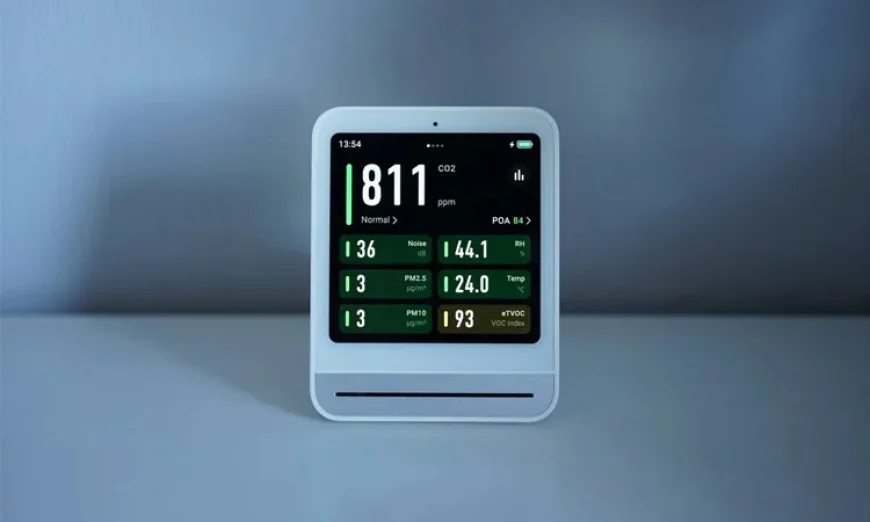
A comprehensive comparative survey tracking ambient noise levels across 70 locations in Dhaka reveals that while overall sound levels have dropped in most parts of the capital, noise has intensified around critical hospitals, administrative hubs, and residential neighborhoods.
The survey, which compares data gathered in 2022-2023 against baseline measurements from 2016-2017, evaluated noise levels across five distinct land-use categories:
silent, residential, mixed, commercial, and industrial zones.
The Department of Environment (DoE) conducted the survey on 'noise level measurement in 64 district towns', which was released recently.
The findings indicate a split trend. Broader traffic management and structural shifts have lowered average maximum and minimum noise levels across the wider city. However, several highly sensitive zones bucked this positive trend, registering significant acoustic spikes.
Designated silent zones, meant to provide acoustic relief for patients and administrative functions, experienced localised increases in sound levels.
The Bangladesh Secretariat area registered increases in both maximum peak noises (126.5 decibels-dB) and baseline minimum noise floors (72.1 dB).
Furthermore, baseline minimum noise levels - the constant background hum experienced during quieter periods - rose sharply outside multiple major medical institutions.
These include the Mugdapara General Hospital area, the corridor between the Child Health Institute and the National Heart Foundation, and the high-traffic zone between PG Hospital and BIRDEM Hospital.
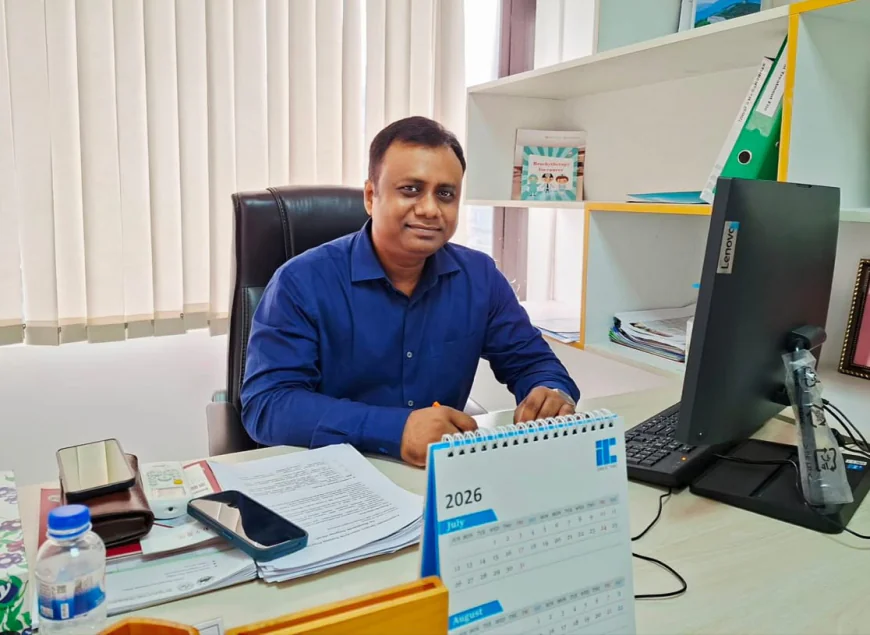
Farid Ahmed, director of DoE (Dhaka Metro) and project director, said the comparison results show the maximum noise level of Bangladesh Secretariat area in silent zone is higher than the previous surveyed data.
He said the minimum noise levels of most of the locations in silent zone are lower than the previously surveyed data while the minimum noise levels of between Child Institute and Heart Foundation area, Bangladesh Secretariat area, Mugdapara General Hospital area and between PG and BIRDEM hospital area in silent zone are higher than the previous surveyed data.
Permissible sound limits set by the DoE are: 50 dB (daytime) and 40 dB (nighttime) in silent zone, 55 dB (daytime) and 45 dB (nighttime) in residential area, 60 dB (daytime) and 50 dB (nighttime) in mixed area (residential/commercial/industrial), 70 dB (daytime) and 60 dB (nighttime) in commercial area, and 75 dB (daytime) and 70 dB (nighttime) in industrial area.
Residential areas face rising noise floors
A significant takeaway for urban planners is the widespread increase in minimum background noise across Dhaka's established residential areas. Even during off-peak hours, the constant noise floor is higher now than it was six years ago in several prominent neighborhoods.
Areas showing elevated baseline noise include Dhanmondi Road 5, Lalmatia, Gulshan Road 101, Khilgaon, Shahjahanpur, and Eskaton in Shahbagh.
Additionally, older residential areas like Raja Sreenath Street in Lalbagh and the Dholpur Road area in Jatrabari recorded spikes in both their baseline minimum and peak maximum noise levels.
Commercial and mixed zone trends
In mixed-use zones, major transit bottlenecks saw peak maximum noise levels climb. Notable areas include the Jatrabari Shahid Faruk roundabout, Shankar, Dhanmondi, and the Shyamoli Mor area. Constant background noise also increased across heavy commercial transit points, including English Road, Nawabpur, Sayedabad, Gulistan, and Shantinagar.
The survey reveals that the maximum noise level in 64 districts was 129.4 decibel (dB) at Jatrabari Shahid Faruk roundabout area in mixed zone in Dhaka.
Commercial zones generally benefited from a drop in average sound levels, with the exception of Kakrail, which logged an increase in maximum noise. Baseline noise floors also worsened in Motijheel (Shapla Chattar), Kakrail, in front of the Banglamotor BIP area, and Mirpur's Benaroshi Palli.
Shifting industrial noise
Industrial sectors showed mixed results. The Ceramic Road area in Pallabi and the Sat Rasta roundabout both clocked higher maximum noise peaks. Conversely, older industrial zones like Hazaribagh saw a reduction in noise levels. The Orion Group area in Tejgaon registered a lower maximum peak but recorded a higher baseline minimum noise level than in previous years.
Environmental experts suggest the data underscores a critical gap in zone-specific enforcement. While city-wide averages show improvement, the failure to insulate hospitals and residential blocks points to an urgent need for targeted acoustic interventions, stricter anti-honking enforcement, and revised traffic routing around sensitive urban centres.





 Sponsored by