































Health experts call for early dengue testing and timely treatment to prevent deaths
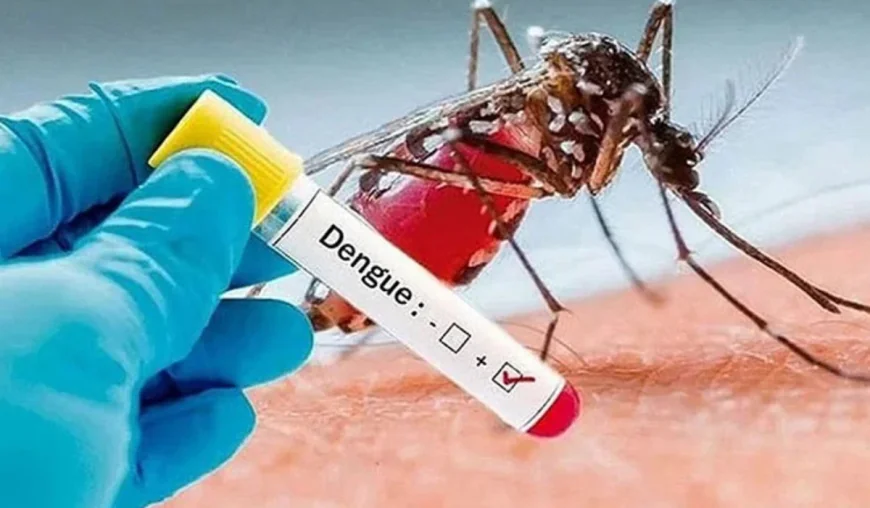
Observing that most dengue deaths are linked to delayed diagnosis and hospitalisation, health experts have called for early testing, timely treatment and greater public awareness of the disease's warning signs to help reduce fatalities from the mosquito-borne illness.
They said many dengue patients who die in hospitals arrive at a late stage, leaving doctors with little time to provide effective treatment.
"Most of the patients reach us so late that we hardly get time to provide treatment. They arrive in an irreversible condition and, unfortunately, we cannot save them," said Professor Shahnoor Sharmin Munni, head of the Dengue Unit at Dhaka Medical College Hospital (DMCH).
She said many people still believe dengue testing should be done only after three days of fever, while some become less alert when the fever subsides.
"In dengue, a patient may become seriously ill after the fever comes down. Many people remain at home thinking that the danger has passed, but the patient may actually go into shock at that stage," Prof Munni said.
She identified three key areas of public awareness: when to undergo dengue testing, what to do when fever subsides and how to recognise warning signs.
She added that greater awareness could help narrow the gap between the onset of complications and receiving medical care.
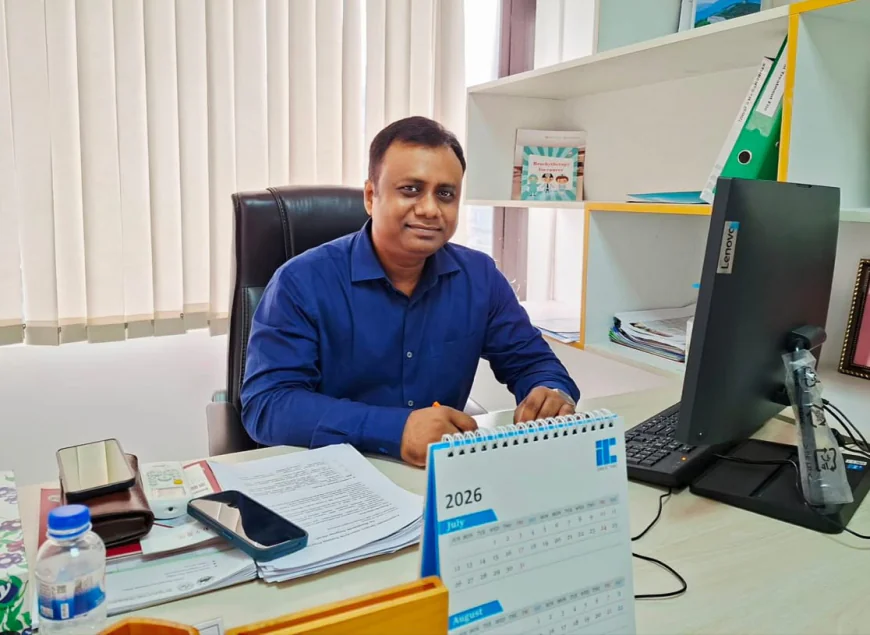
Echoing Prof Munni, Mugda Medical College Hospital (MMCH) Deputy Director Dr Muhammad Nurul Islam urged people to seek medical attention as soon as fever develops and get tested if dengue is suspected.
He said dengue, a mosquito-borne viral disease, often begins with sudden high fever, body aches, weakness and loss of appetite and warned that a fall in fever after two or three days should not necessarily be considered a sign of recovery.
"In dengue, the most dangerous complication is plasma leakage, which can continue even after the fever subsides," Dr Islam said.
According to him, plasma leakage causes the fluid component of blood to move out of the blood vessels, reducing circulating blood volume. If the loss becomes significant, a patient can develop shock, characterised by a weak or undetectable pulse, low blood pressure and severe weakness, he said.
"Without timely intervention, the condition can become fatal," he said.
Calling for early diagnosis, Dr Islam said different tests can be useful at different stages of the illness, including the NS1 antigen test in the early phase and antibody tests such as IgM and IgG at later stages.
"If dengue can be detected at an early stage, most cases can be managed at home under the national guidelines and do not necessarily require hospital admission," he said.
Regarding treatment, the physician said many dengue cases can be managed with adequate rest, nutritious food and sufficient oral fluids, along with paracetamol for fever and body aches.
Patients should continue to get adequate rest and drink suitable fluids such as water, lemon drinks, coconut water, fruit juice and soup even after the fever subsides, he said, warning that returning to strenuous physical activities immediately after fever comes down could be risky if plasma leakage is continuing.
Dr Islam strongly advised against taking antibiotics or other painkillers without medical advice, saying antibiotics act against bacterial infections, whereas dengue is caused by a virus.
"There is no role for antibiotics in treating dengue itself," he said, urging patients to consult registered physicians and follow national treatment guidelines.
Dr Islam also cautioned against taking painkillers other than paracetamol, saying drugs such as aspirin and some other non-steroidal anti-inflammatory drugs (NSAIDs) can increase the risk of bleeding, particularly when platelet counts are low.
Warning signs of severe dengue include bleeding from the nose or gums, blood in the stool or vomit, abnormal vaginal bleeding and bleeding under the skin, Dr Islam said.
On fluid therapy, he stressed that oral and intravenous (IV) fluids should not be treated in the same way, saying IV fluids should only be administered under the supervision of a registered physician.
"Both too little and too much fluid can be dangerous," he said, explaining that inadequate fluid replacement can contribute to shock, while excessive IV fluid can cause fluid overload and potentially lead to heart failure.
Kurmitola Multicare Specialized Hospital (KMSH) Director Brigadier General Md Saydur Rahman also encouraged early diagnosis, saying not every dengue patient requires hospital admission if the disease is detected at an early stage.
Only around 10 to 15 percent of patients with more serious symptoms, including bleeding, severe diarrhoea or vomiting that cannot be controlled, require hospitalisation, he said.
Observing that low platelet counts and plasma leakage have traditionally been major concerns in dengue cases, Saydur Rahman said doctors are now seeing more patients with cardiac and liver-related complications.
Such complications can sometimes become life-threatening, he said, urging people to seek treatment as soon as possible.
Meanwhile, Directorate General of Health Services (DGHS) Director (Hospital and Clinics) Dr Md Nurul Islam said adequate quantities of dengue diagnostic kits and intravenous fluids, particularly saline, are currently available at hospitals up to the upazila level across the country.
The government is therefore encouraging people to seek testing at local health facilities as soon as possible after developing fever so that dengue can be identified early and appropriate treatment can begin without delay, he said.
"There is no fixed rule that a dengue test must be conducted only after three days of fever. We are advising people to get tested as early as possible, depending on the clinical situation," Dr Nurul Islam said.
Early treatment can reduce pressure on major hospitals in Dhaka and other large cities, as patients can receive appropriate care at nearby upazila health complexes, district hospitals and medical college hospitals, he added.
According to the DGHS, a total of 94,151 people have so far been infected with dengue across the country while 294 died of the disease this year.





 Sponsored by