


















Solar equipment made duty-free to boost renewable energy: Iqbal
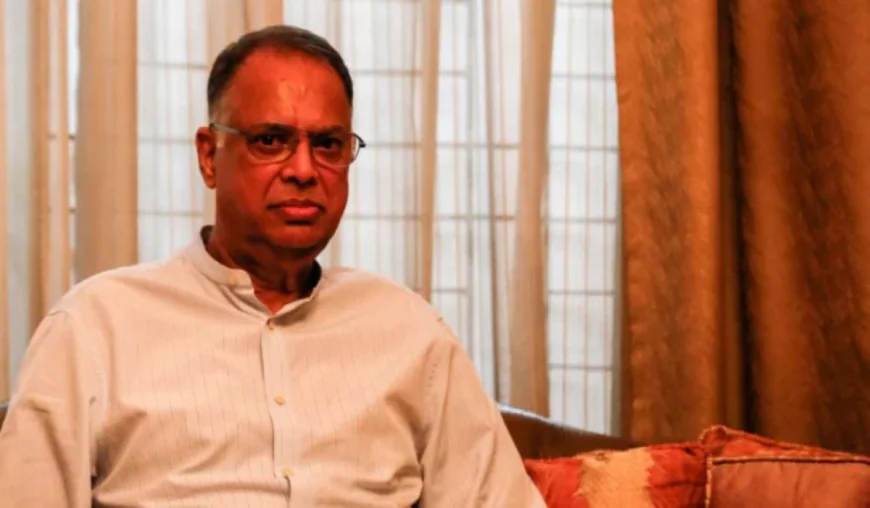
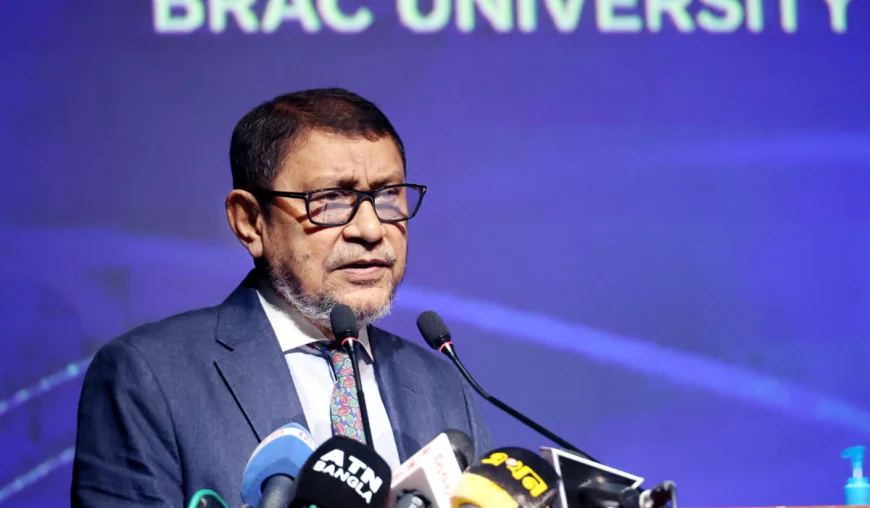
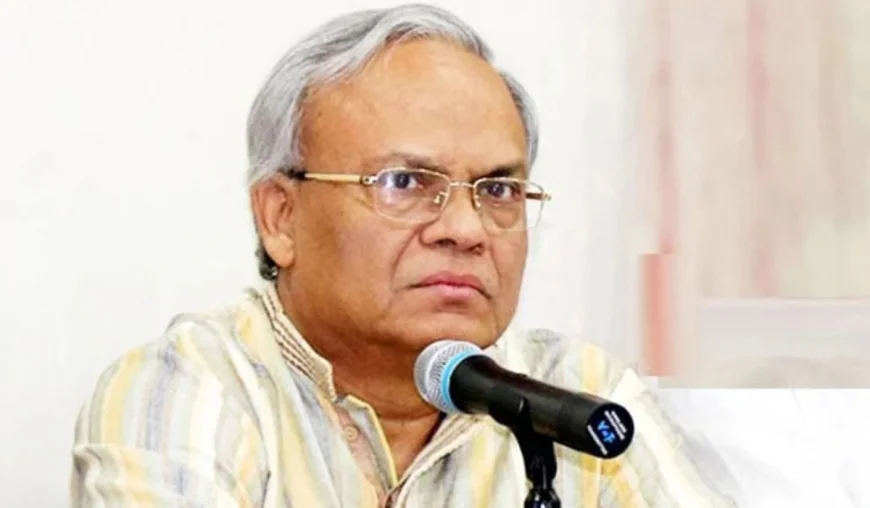
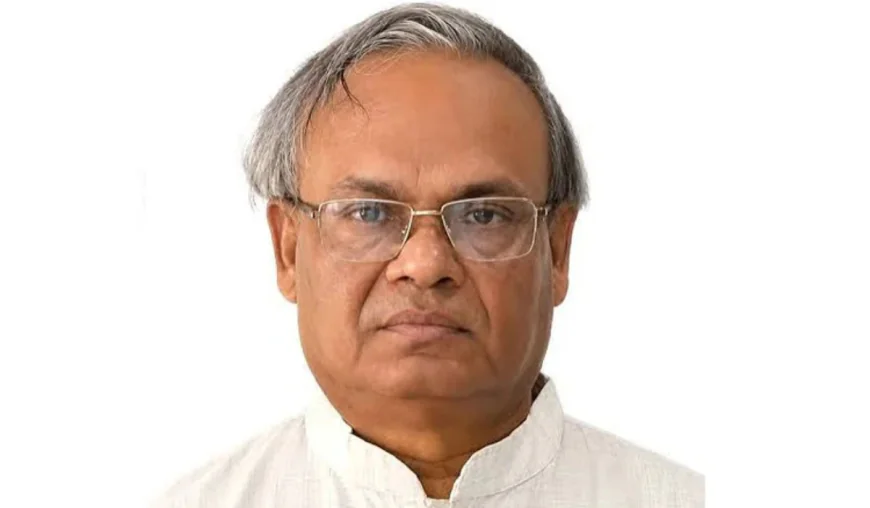
Power, Energy and Mineral Resources Minister Iqbal Hassan Mahmood today said all duties on solar power equipment had been withdrawn to promote renewable energy.
“Although renewable energy had been discussed for a long time, no previous government had taken effective initiatives in this regard. The present government has taken steps shortly after assuming office. The President has issued an ordinance in this regard. The Special Energy Act will be placed before the next parliament,” he said.
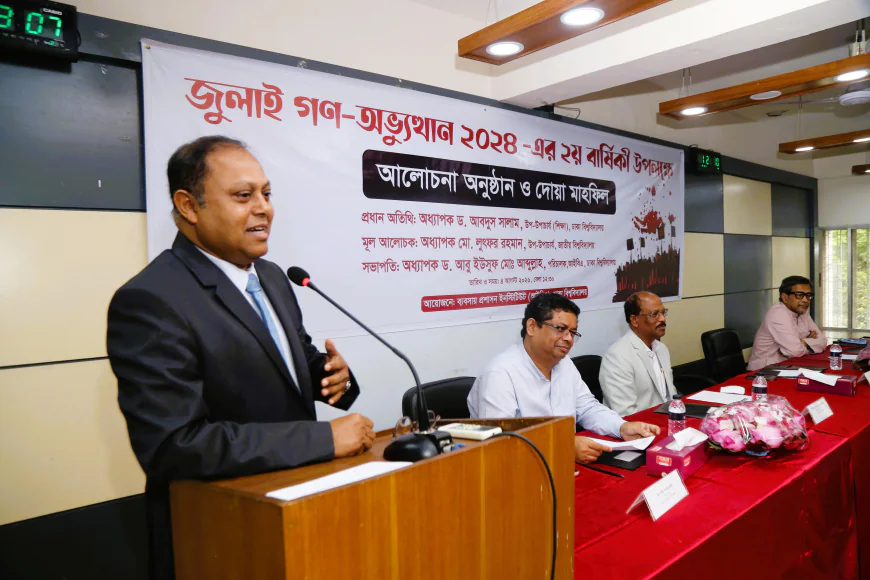
The minister made the remarks while inaugurating the three-day ‘Renewable Energy Fest 2026’ at the central playground of Bangladesh University of Engineering and Technology (BUET).
Highlighting government initiatives to promote renewable energy, Iqbal said the Special Energy Act had faced criticism, adding that the previous government had enacted such a law with the intention of pilfering.
However, the minister expressed concern about the capacity of the power transmission system to support the expansion of renewable energy.
He said the country's power grid was not modern enough to accommodate electricity generated from nuclear and renewable sources. The Power Grid Company of Bangladesh (PGCB) was still not ready to handle this, he added. The BNP government had initiated work to modernize the grid, he said.
“If you cooperate, we will be able to achieve the target of generating 10,000 megawatts of renewable electricity by 2030,” he said.
Highlighting the challenges facing the power and energy sector, the minister said, “Nobody wants to understand our problems. We are still facing difficulties. We still have to buy electricity at high prices and sell it at lower prices.”
He said the power sector was facing a huge deficit. The government had to pay capacity charges even when power plants remained idle. There were also problems with electricity purchases and fuel supplies, he added.
Regarding liquefied natural gas (LNG) imports, the minister said Qatar had suspended supplies following bomb attacks, while Bangladesh remained dependent on the country for LNG. As a result, LNG that had previously cost $10-12 had to be purchased at $30, he added.
Referring to the country's vast underground resources, the minister said not a single well had been drilled in the past 17 years. Due to mismanagement during that period, the country would continue to suffer for another 50 to 60 years, he added.
Speaking at the event, BUET Vice-Chancellor Professor Ekramul Haque said the country's power and energy sector was at a crossroads. Rising energy prices on the international market had put pressure on the economy, while the expansion of renewable energy could play an important role in addressing the current situation, he added.
Country Director of ActionAid Bangladesh Farah Kabir said the need for research into new energy sources was being felt in countries around the world.
She said 96 percent of Bangladesh's electricity generation depended on fossil fuels, most of which were imported, leaving the sector exposed to various risks.
The event, jointly organized by ActionAid Bangladesh, BUET, the Just Energy Transition Network Bangladesh (JETNET-BD) and BUET's Institute of Energy and Sustainable Development (IESD), will continue until October 28.
Held under the theme ‘A Just, Inclusive and Green Energy Transition’, the fair brings together more than 1,000 representatives from among young people, women, workers, civil society organizations and climate-focused groups.
The event aims to bring together government policymakers, researchers, private-sector representatives, investors, civil society organizations and development partners to formulate a concrete action plan to promote renewable energy at the conclusion of the fair.

 Sponsored by