



























Speakers say rooftop solar can help save electricity
Speakers at a meeting here today unanimously said rooftop solar can play an important role in saving electricity, reducing dependence on fossil fuels and reducing carbon emissions.
They further said that local government institutions can play an important role in expanding rooftop solar.
The feasibility of installing solar power on the rooftops of government buildings, educational institutions, community centers, markets and other structures under their jurisdiction can be assessed.
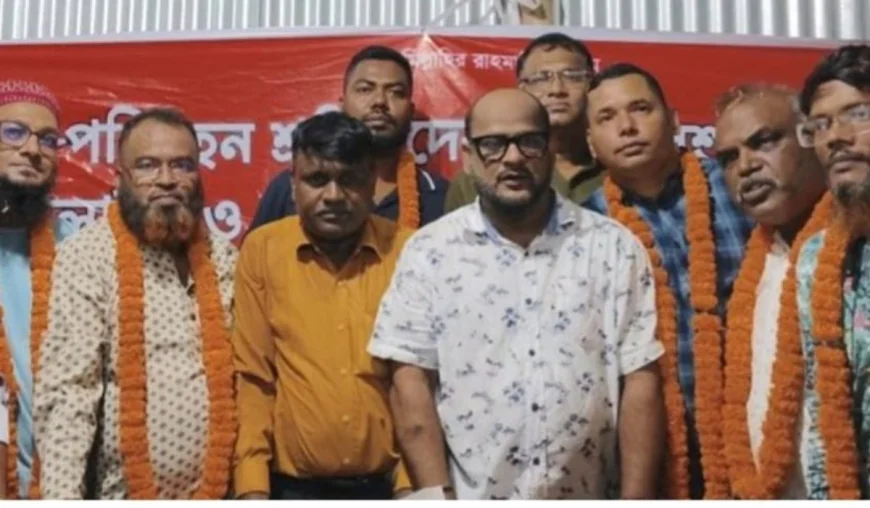
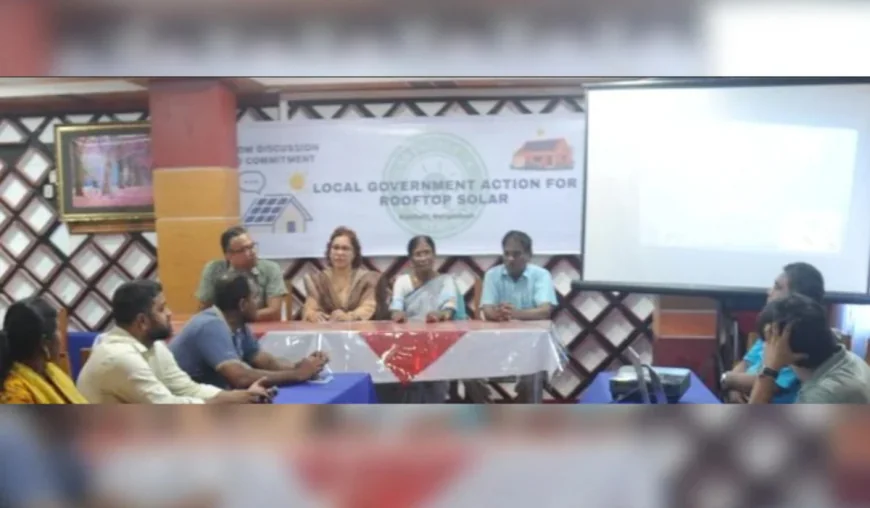
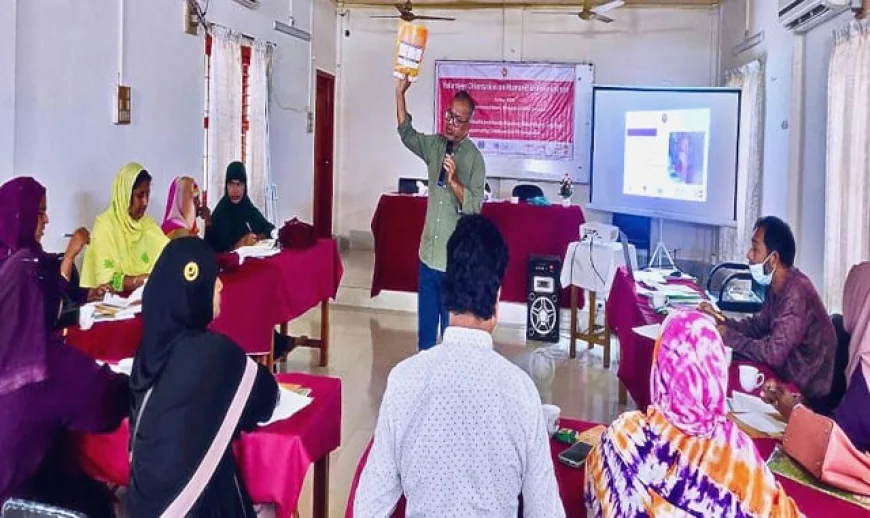
Experts and development activists made these remarks while addressing an awareness programme titled "Local Government Action on Rooftop Solar" at SK Food World conference room in Rajshahi city.
PARIBARTAN, CLEAN and Bangladesh Working Group of Ecological Development (BWGED) jointly organised the event with the aim of utilizing unused rooftops for solar power generation.
Increasing the use of renewable energy and strengthening the role of local government institutions in expanding clean energy systems at the local level was the allied objective of the programme.
The meeting discussed the potential for expanding rooftop solar through local government institutions, necessary steps, and public engagement at the local level.
President of Rajshahi Mohila Parishad Kalpana Roy, President of Rajshahi District Branch of Bangladesh Mohila Ainjibi Samity Advocate Dilsetara Chuni, valiant freedom fighter Taiybur Rahman and Director of Paribartan Rashed Ibne Obayed Ripon spoke on the occasion.
Coordinator Campaign Facilitator of Paribartan Hasibul Hasan and Campaign Associate of Paribartan Rony Roy also spoke.
Representatives of Rajshahi City Corporation )RCC) and stakeholders from various levels of society were also present, among others.
Speakers at the programme said that the unused rooftops of a large number of houses, government buildings, educational institutions, hospitals and business establishments in the country are potential areas for solar power generation.
If these rooftops are used in a planned manner, it will create an opportunity to produce renewable energy without acquiring new land or using additional land.
In addition, effective initiatives at the local level are possible by creating awareness among citizens, identifying potential buildings and creating coordination among public and private stakeholders.
Participants in the programme emphasized the gradual expansion of rooftop solar by considering the unused rooftops of various government and private installations in Rajshahi city as a potential resource for solar power generation.
At the end of the programme, a call was made to verify the feasibility of rooftop solar in installations under local government institutions, increase public awareness and take practical initiatives in coordination with relevant stakeholders.





 Sponsored by