
























Taiwan vote revives prospect of nuclear power generation
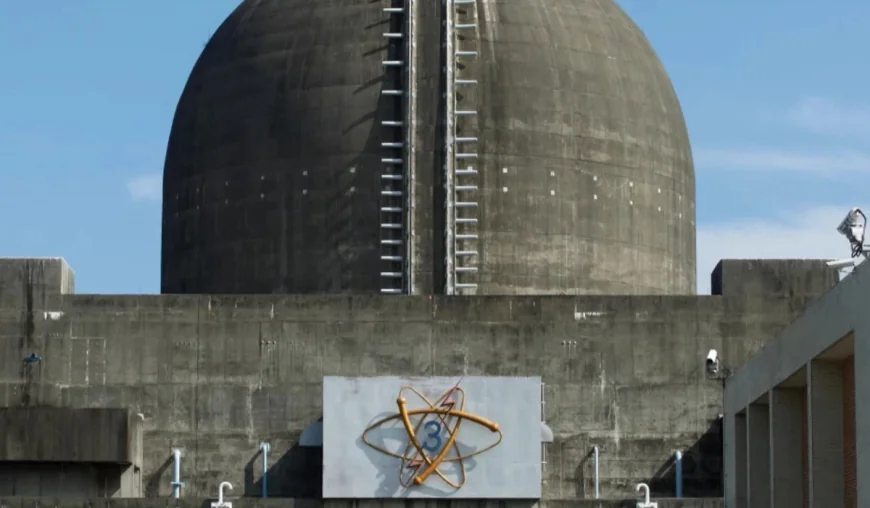

A majority of voters in Taiwan have backed scrapping the island’s “nuclear-free homeland” policy in a referendum held alongside Saturday’s local elections, paving the way for the government to reconsider the use of nuclear energy.
The referendum, initiated by the opposition Nationalist Party, also known as the Kuomintang (KMT), asked voters whether they wanted to abolish the policy that required Taiwan to phase out nuclear power.
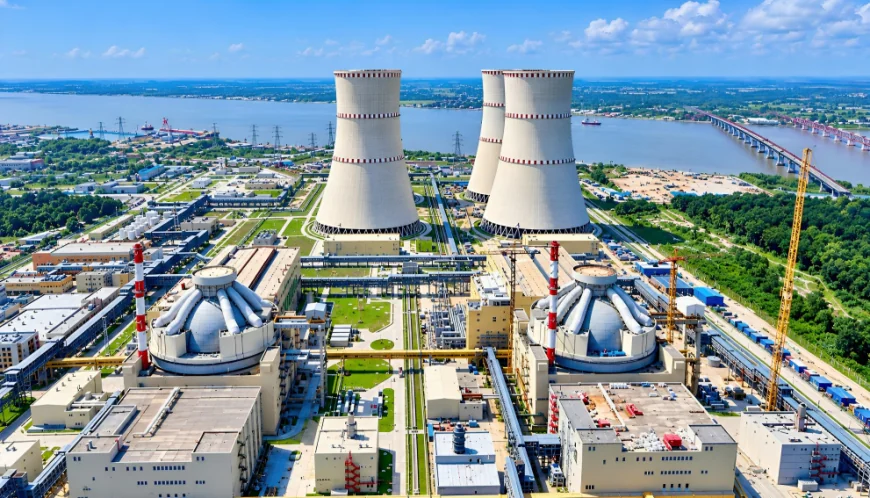
Taiwan shut down its last operating nuclear power plant in 2025. However, the facility is undergoing refurbishment and could resume operations within two years.
Although nuclear power is not legally prohibited in Taiwan, its use has been governed by government policy. The referendum result removes the policy and gives the ruling Democratic Progressive Party (DPP) government a political mandate to reconsider the issue, but does not automatically mean that any nuclear plants will be built or restarted.
President Lai Ching-te had earlier said he would not rule out nuclear energy as part of Taiwan’s future energy mix, marking a shift from his predecessor, Tsai Ing-wen, and the DPP’s longstanding opposition to nuclear power.
KMT leader Cheng Li-wun welcomed the referendum result on Saturday night, saying Taiwan should “restart nuclear energy as quickly as possible”, according to the island’s semiofficial Central News Agency.
The KMT, which has traditionally supported nuclear power, initiated the referendum and secured its passage with the support of its coalition partner, the Taiwan People’s Party.
The opposition party linked the issue to Taiwan’s economic prospects and its artificial intelligence industry, arguing that a stable electricity supply is needed to meet the growing demand from the AI and semiconductor sectors.
Taiwan’s cabinet, the Executive Yuan, said it would respect the referendum result but stressed that nuclear power could only be used again if three conditions were met.
“Nuclear safety must be assured, a solution for nuclear waste must be in place, and there must be social consensus,” Executive Yuan spokesperson Michelle Lee said in a statement on Saturday night.
The referendum campaign, however, drew limited public discussion, raising concerns among experts about how much voters had engaged with the issue.
Wei-hao Huang, a political science professor at National Sun Yat-sen University, said he had seen little public debate on the referendum during the campaign, apart from when it was initially raised in the legislature.
He said the result appeared to have been driven mainly by KMT supporters, adding that the party might have used the issue to mobilise its voters and increase turnout in the local elections.
Comments 0
Log in to join the discussion
Sign in or create a free account to read and write comments on this story.
No comments yet. Be the first to comment.


 Sponsored by